




REDWAY BATTERY / KNOWLEDGE
Why Did My Golf Cart Battery Post Melt?
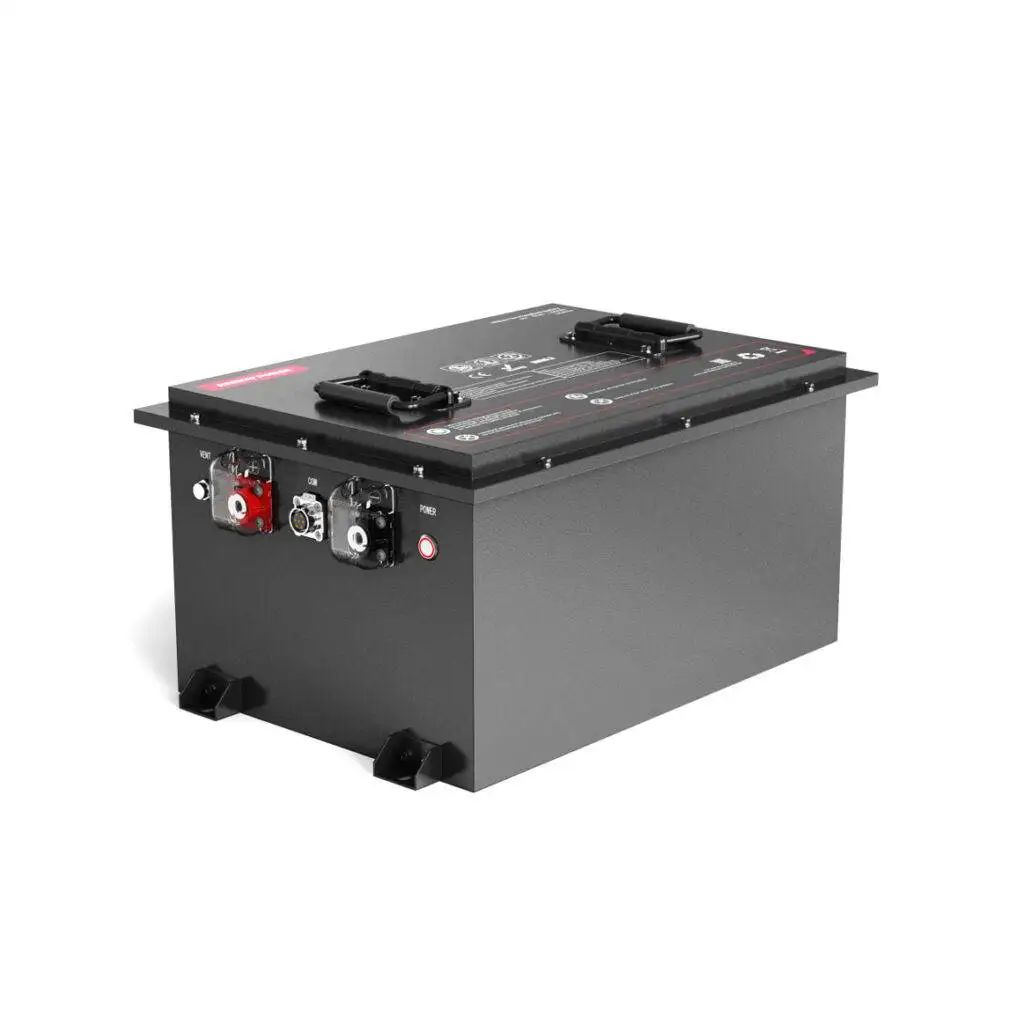
A golf cart battery post melts primarily due to excessive heat generated by loose connections, faulty cables, overcharging, or aging batteries. These conditions create high resistance points that convert electrical energy into heat, melting the post. Regular maintenance, proper charging, and using quality components can prevent this issue effectively.
What Causes My Golf Cart Battery Post to Melt?
A golf cart battery post melts mainly because of heat caused by electrical resistance at the connection points. Loose battery connections and faulty or corroded cables increase resistance, generating enough heat to melt the lead post, which melts around 600-700 degrees Fahrenheit. Overcharging also creates corrosion, raising resistance and heat buildup. Aging batteries may draw excessive current internally, worsening the problem. Regularly checking cable conditions and tightening connections is crucial to prevent melting.
The melted post often shows signs such as bluing, scorch marks, and fusion of nuts to the terminal. Heat from a poor connection spreads through copper cables, sometimes melting posts far from the actual issue, making it essential to check the entire circuit. Using a torque wrench to tighten battery cables to around 95-105 inch-pounds helps maintain proper contact. Faulty cables with broken copper strands or corrosion increase resistance and heat substantially. Overcharging should be avoided by using smart chargers with automatic shut-off features. Aging batteries with internal damage might overheat and damage terminals, signaling the need for timely replacement.
How Can I Fix a Melted Golf Cart Battery Post?
Fixing a melted golf cart battery post involves cleaning, repairing, or replacing damaged terminals and cables. Temporary fixes include drilling into the battery post and inserting a bolt to hold the cable while waiting for a replacement. In some cases, replacing the entire battery or battery terminal is necessary if damage is extensive.
To fix:
Turn off the golf cart and disconnect batteries safely.
Clean battery posts and cable terminals to remove corrosion.
Inspect battery cables for damage or broken strands and replace as needed.
If the post is melted off, a bolt and washer assembly drilled into the post can temporarily secure the connection.
Regularly check heat after repairs by running the cart briefly and feeling for excessive terminal warmth.
Replace the battery if internal damage or persistent overheating continues.
Following these steps can restore connection integrity and prevent further heat issues. Using quality cables and ensuring secure, corrosion-free connections are essential to long-term success.
What Are the Signs of Golf Cart Battery Post Damage?
Signs of battery post damage include:
Visible melting or deformation of battery posts.
Bluish discoloration or heat marks on terminals or nuts.
Loose or “crinkly” battery cables indicating broken internal strands.
Difficulty maintaining a charge or reduced cart performance.
Frequent overheating or burnt smell from battery area.
Corrosion buildup around battery terminals.
Physical signs like melting or discoloration are often preceded by poor connection symptoms such as sluggish cart movement or intermittent electrical issues. Detecting these early helps avoid terminal meltdown scenarios. Regular maintenance can catch corrosion and cable wear before severe damage occurs.
Why Does Overcharging Lead to Battery Post Melting?
Overcharging a golf cart battery can cause excessive heat generation and gas release that corrodes battery posts and terminals. This corrosion increases electrical resistance at the connection, resulting in a high-resistance hotspot. The intense heat generated melts the battery post over time. Additionally, overcharging can cause internal battery damage, leading to excessive current draw that further heats terminals.
Preventing overcharging by using smart chargers with automatic shut-off and monitoring charging duration reduces the risk. Proper charger compatibility with the battery type is critical. Lithium batteries, like Redway Battery’s LiFePO4, have advanced management systems to avoid overcharge hazards, providing safer operation.
How Does Cable Quality Affect Battery Post Melting?
The quality and condition of battery cables directly influence the risk of melting battery posts. High-quality cables consist of many fine copper strands for flexibility and low resistance. When cables are damaged, corroded, or frayed, the effective cross-section reduces, increasing resistance.
Increased resistance causes more heat buildup during operation, potentially melting the battery post. Poor crimps or bad cable eyelets also contribute to hotspots. Inspecting cables regularly for corrosion and replacing damaged ones prevents excessive terminal heat.
Redway Battery ensures durable cable materials and reliable manufacturing standards, reducing resistance and susceptibility to heat-related failures.
When Should I Replace My Golf Cart Battery to Avoid Post Melting?
Golf cart batteries generally last 3 to 5 years. Signs indicating replacement is needed to avoid battery post melting include:
Reduced driving distance or power despite full charging.
Slower acceleration and longer charge times.
Visible swelling, bulging, or leaking of the battery.
Low or uneven voltage readings measured by a multimeter.
Frequent terminal overheating or corrosion despite maintenance.
Replacing old or damaged batteries before internal faults worsen prevents high current draw and excessive terminal heat. Regular voltage checks and visual inspections can extend battery life and safeguard posts.
Redway Battery’s LiFePO4 products offer extended lifespan and stable voltage, reducing the risk of premature post damage.
Can Using Redway Battery Prevent Golf Cart Battery Post Melting?
Yes, using Redway Battery can significantly reduce the risk of golf cart battery post melting. Redway specializes in LiFePO4 lithium batteries with stable chemistry, advanced Battery Management Systems (BMS), and robust build quality. These batteries produce less heat, resist overcharging, and maintain consistent voltage under load.
Their manufacturing precision, ISO 9001:2015 certification, and automated quality controls ensure reliable product performance. Customers benefit from extended runtime, rapid recharge, and enhanced safety, reducing post damage caused by overheating or corrosion.
Switching to Redway Battery offers a safer, longer-lasting energy solution tailored for golf carts.
Where Should I Store and Charge My Golf Cart Battery to Avoid Post Melting?
Proper storage and charging locations are crucial to avoid battery post melting:
Charge batteries in well-ventilated areas to prevent heat buildup.
Avoid closed garages or hot environments that trap heat.
Use manufacturer-recommended chargers and avoid leaving batteries plugged in too long.
Store batteries away from metal objects to prevent short circuits.
Maintain moderate ambient temperatures; avoid freezing or extreme heat.
Periodically inspect batteries during storage for swelling or corrosion.
Following these guidelines ensures batteries run cooler, reducing the risk of terminal heat damage. Redway Battery’s lithium batteries also offer safer storage profiles with less risk of thermal runaway.
What Are Key Maintenance Tips to Prevent Golf Cart Battery Post Melting?
Key battery maintenance tips include:
Tighten all cable connections to proper torque specs.
Regularly clean battery posts and terminals of corrosion.
Inspect cables for damage or signs of overheating.
Use proper chargers with automatic shutoff.
Test battery voltages periodically for early signs of failure.
Replace aging batteries before internal faults develop.
Avoid short-circuiting or loose terminal connections.
Routine care preserves terminal integrity and reduces heat buildup that causes post melting. Redway Battery also provides ongoing support and guidance for battery maintenance best practices.
Redway Battery Expert Views
“Golf carts are a vital part of both recreational and professional environments, demanding reliable power sources that combine safety with performance. At Redway Battery, our LiFePO4 batteries are engineered to meet these exacting standards. Our advanced BMS technology and rigorous quality controls significantly reduce risks like thermal runaway and post melting, which are common in conventional lead-acid batteries. Redway’s commitment goes beyond supplying batteries; we provide tailored, OEM-quality solutions that enhance operational efficiency and prolong equipment life while promoting sustainability in power usage.” — Redway Battery Engineering Team
Summary
Golf cart battery post melting occurs mainly due to high heat from loose connections, faulty cables, overcharging, or aging batteries. Preventing melting requires regular maintenance, using quality cables, tightening connections properly, avoiding overcharge, and timely battery replacement. Redway Battery’s LiFePO4 products offer advanced safety and reliability features that help eliminate these risks. Proper storage, charging practices, and routine inspections complete a comprehensive strategy to protect battery posts and ensure optimal golf cart performance.
FAQs
Why do battery posts melt even if the battery is new?
Often due to loose connections, faulty cables, or improper charging rather than the battery itself. Secure connections and high-quality cables are essential.
Can I repair a melted battery post myself?
Temporary fixes like bolting can help, but often professional repair or battery replacement is needed to ensure safety and reliability.
How often should I inspect my golf cart batteries?
Monthly visual inspections and quarterly voltage tests are recommended to catch issues early.
What charging practices help prevent battery post damage?
Use smart chargers with automatic shut-off, charge in ventilated areas, and avoid overcharging or charging unattended overnight.
Are lithium batteries less prone to post melting?
Yes, lithium batteries like Redway Battery’s LiFePO4 types have stable chemistry and advanced protections reducing heat risks significantly.
This topic belongs to the wider Golf Cart Battery Troubleshooting: Symptoms and What They Mean, which brings the related decisions and practical checks together.
