




REDWAY BATTERY / KNOWLEDGE
Why Do Golf Cart Battery Terminals Melt and How to Fix Them?
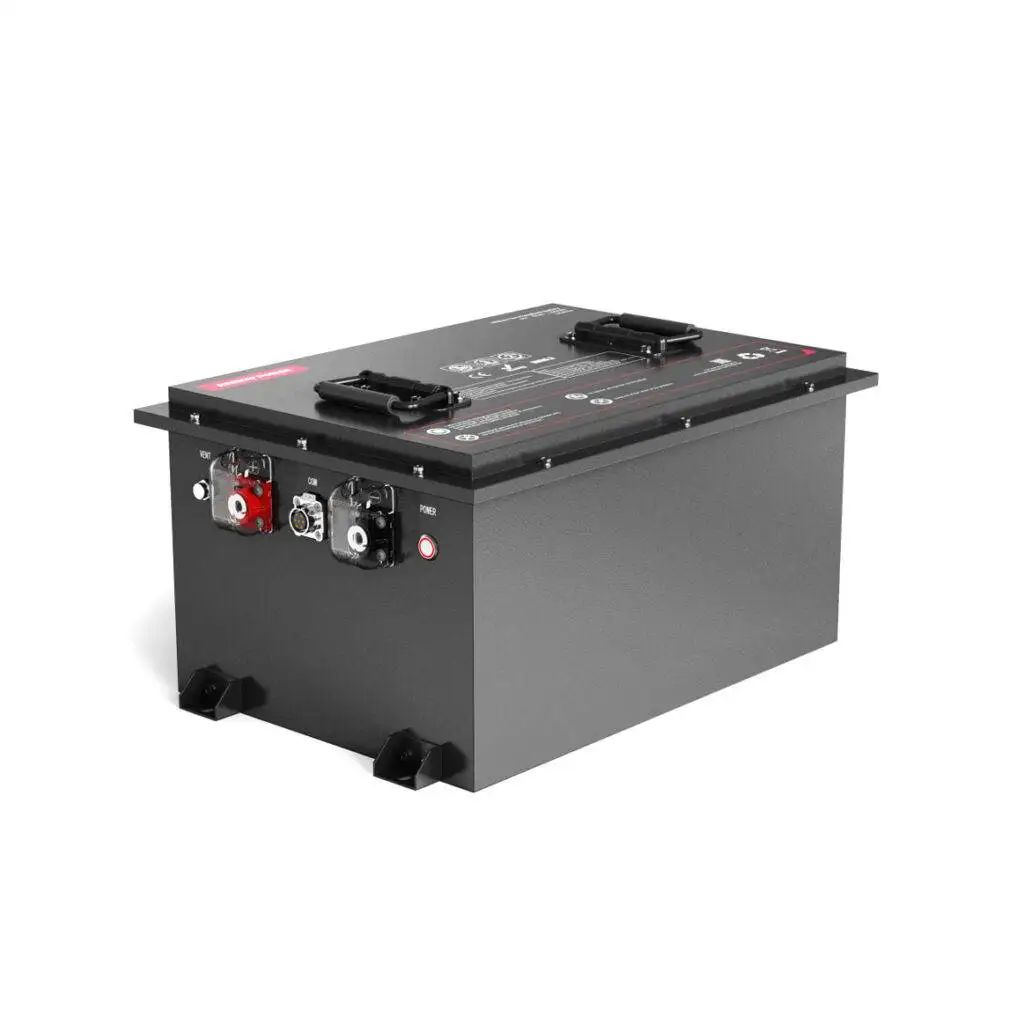
Golf cart battery terminals melt primarily due to excessive heat caused by loose connections, faulty cables, overcharging, or aging batteries. Fixing the issue involves tightening connections, replacing damaged cables, preventing overcharging with smart chargers, and regular maintenance to ensure battery health and terminal safety.
What Causes Golf Cart Battery Terminals to Melt?
Golf cart battery terminals melt mainly because of heat generated by high resistance in the electrical connections. Loose or corroded terminal connections, damaged battery cables, and overcharging can increase resistance, causing excessive heat that melts the soft lead terminals. Aging batteries can also draw abnormal current, contributing to overheating.
The physics behind this involves poor contact resistance converting electrical energy to heat energy, enough to reach 600-700 degrees Fahrenheit, melting the battery terminals. Faulty cables with broken copper strands or corrosion amplify this issue. Using stainless steel washers incorrectly can also trap resistance and heat. Consistent maintenance and inspections are key to preventing terminal melting.
How Does Loose Connection Cause Battery Terminals to Melt?
Loose connections create high resistance spots at the battery terminals. When electrical current flows through these resistance points, it generates heat, which can easily melt lead terminals on golf cart batteries. Regularly ensuring tight, clean battery connections significantly reduces this risk. Torqueing connections to manufacturer specifications (around 95-105 inch-pounds) prevents excess heat buildup.
Loose terminals not only melt but can cause battery performance issues and potential safety hazards. Tightening battery cables during routine maintenance checks is a simple yet effective preventive step.
Which Faulty Cable Conditions Lead to Terminal Melting?
Battery cables that are frayed, corroded, or internally broken increase electrical resistance, causing heat buildup at terminal connections. These cables contain numerous copper strands that provide flexibility and conductivity; damage to these strands disrupts current flow, creating hotspots.
Visible signs like “crinkly” insulation, corrosion marks, or scorch marks on cables usually precede terminal melting. Replacing faulty cables promptly stops heat damage, which is often less expensive than replacing batteries. Regular inspections are essential to detect and remedy cable faults early.
How Does Overcharging Impact Battery Terminals?
Overcharging golf cart batteries leads to excessive heat and gas release, which causes terminal corrosion and oxidation. This corrosion increases resistance at the terminal connection, fostering heat buildup that can melt terminals.
Using smart chargers equipped with automatic shut-off or voltage regulation prevents overcharging. Monitoring charge cycles and avoiding prolonged charging sessions preserves battery health and terminal integrity.
When Should Battery Cables and Terminals Be Replaced?
Battery cables and terminals should be replaced at the first sign of damage or excessive heat. If cables feel hot after operation or show wear such as corrosion, frays, or deformation, immediate replacement is advised.
Terminals showing melting, discoloration, or physical deformation also require replacement. Regular thermal checks during maintenance—feeling terminals for warmth—help catch problems before severe damage occurs.
How Can Proper Battery Maintenance Prevent Terminal Melting?
Proper battery maintenance includes regular cleaning, tightening connections, inspecting cables, and balancing charge cycles. Removing corrosion buildup, avoiding improper washers or materials at terminals, and using quality replacement parts protect terminals from melting.
Routine thermal checks after battery use reveal early heat issues. Applying these practices extends battery life, ensures safe operation, and reduces maintenance costs.
What Are the Best Practices for Fixing Melted Golf Cart Battery Terminals?
Fixing melted terminals starts with stopping the heat source: tightening loose connections, replacing faulty cables, and addressing overcharging issues. Severely damaged battery terminals may require replacement or repair by a professional.
Cleaning corrosion with appropriate battery terminal cleaners and using proper torque on connections is crucial. Avoid placing non-conductive washers or materials under terminal lugs. Using Redway Battery’s high-quality LiFePO4 packs can also reduce these issues due to their superior design and durability.
Why Choose Redway Battery for Golf Cart Battery Solutions?
Redway Battery, an industry leader with over 13 years of expertise, offers durable, high-performance lithium battery packs designed specifically for golf carts. Their products reduce heat risks with advanced internal management, delivering reliable, safe power.
With ISO 9001:2015 certification and automated production, Redway Battery ensures consistent quality control, OEM customization, and responsive after-sales service, making them a trusted choice for battery replacement and upgrades.
Redway Battery Expert Views
“Battery terminal melting in golf carts is often due to preventable maintenance oversights. At Redway Battery, we emphasize high-quality materials and precise engineering to minimize connection resistance and heat generation. Our LiFePO4 battery packs provide enhanced safety and longevity, helping owners avoid costly repairs and downtime. Proper installation and routine inspection are critical, and we support clients with expert guidance every step.” — Redway Battery Engineering Team
What Are the Key Takeaways to Prevent and Fix Battery Terminal Melting?
Regularly inspect and tighten battery connections to correct loose terminals.
Replace damaged or corroded cables promptly to prevent heat buildup.
Use smart chargers to avoid overcharging and terminal corrosion.
Perform routine thermal checks after battery use to identify hot spots early.
Utilize high-quality batteries like Redway Battery LiFePO4 packs for durability and safety.
Address any signs of terminal melting immediately by cleaning, repairing, or replacing affected parts.
Frequently Asked Questions
Q1: Can a melted battery terminal be repaired or must it be replaced?
A: Minor melting might be repairable by cleaning and reshaping, but extensive damage typically requires replacement for safety and performance.
Q2: How often should golf cart battery terminals be inspected?
A: Terminals should be checked monthly and during regular battery maintenance to catch issues early.
Q3: Does using lithium batteries prevent terminal melting?
A: Lithium batteries, like those from Redway Battery, have better thermal stability, reducing the risk but proper maintenance is still crucial.
Q4: What happens if I ignore a melting battery terminal?
A: Ignoring it can lead to battery failure, unsafe conditions, and costly replacements.
Q5: How to identify a faulty battery cable early?
A: Look for corrosion, frayed insulation, unusual heat, or performance drops and replace cables promptly.
This topic belongs to the wider Golf Cart Battery Troubleshooting: Symptoms and What They Mean, which brings the related decisions and practical checks together.
