




REDWAY BATTERY / KNOWLEDGE
Why Is My Golf Cart Battery Boiling When Charging?
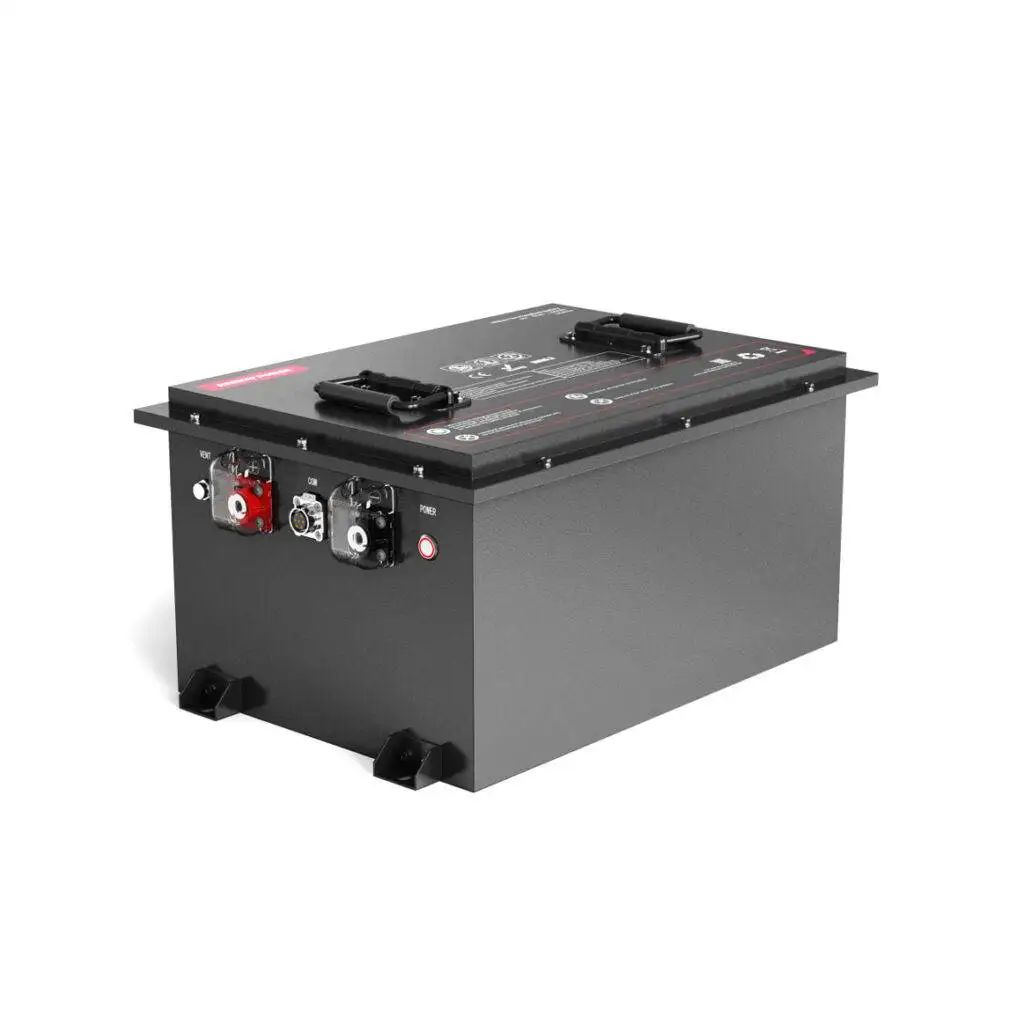
Golf cart batteries boil when charging mainly due to overcharging, low electrolyte levels, or internal damage causing excessive heat buildup. This overheating causes the electrolyte inside the battery to boil, risking battery damage and safety hazards. Proper charging practices, maintenance, and quality batteries like those from Redway Battery can prevent this issue.
What causes golf cart batteries to boil during charging?
Golf cart batteries boil when the electrolyte inside them heats excessively during charging. This mainly happens due to overcharging, which forces the battery beyond its voltage capacity causing hydrogen gas release and electrolyte boiling. Low electrolyte levels reduce cooling, and damaged cells cause uneven voltage distribution, all leading to overheating and boiling.
Excess heat is generated because electrical and chemical processes inside the battery create thermal energy that must be controlled. If charging continues after full charge or the charger malfunctions, heat accumulates rapidly. Environmental factors like high ambient temperature also worsen boiling risks. Regular monitoring of charge duration and electrolyte levels is critical to avoid this condition.
How does overcharging lead to golf cart battery boiling?
Overcharging forces a battery to take in more voltage than it can safely handle, accelerating gassing reactions inside. These reactions break down water molecules in the electrolyte, releasing hydrogen and oxygen gases that increase internal pressure and temperature, causing the electrolyte to boil.
Modern chargers with automatic shut-off or three-stage charging systems help prevent overcharging by regulating voltage. Older or malfunctioning chargers that do not stop charging once full voltage is reached lead to overheating. Extended charging times significantly increase the likelihood of boiling, especially in lead-acid batteries. Avoiding overcharge preserves battery life and safety.
What are the symptoms of a boiling golf cart battery?
Symptoms include visible bubbling or boiling sounds, excessive heat around the battery case, swollen or leaking battery casings, and a strong smell of sulfur or acid fumes. The battery may also lose charge rapidly or fail to power the golf cart effectively.
Touching the battery may reveal it is too hot to handle safely, a clear warning sign. Some bubbling or heat during charging is normal, but sustained or intense boiling sounds signal critical issues. Immediate inspection and corrective action are recommended to prevent damage or safety hazards.
How can you prevent golf cart battery boiling when charging?
Prevent boiling by using smart chargers with automatic shut-off features, avoiding prolonged charging beyond recommended times, and regularly checking and maintaining electrolyte levels with distilled water. Keep the battery in a well-ventilated, cool space away from heat sources.
Using high-quality, well-maintained batteries like those from Redway Battery helps prevent overheating due to their superior design and materials. Routine battery inspections for damage and corrosion, plus replacing old or faulty batteries promptly, also reduce boiling risks.
What should you do if your golf cart battery is boiling?
If boiling occurs, immediately stop charging to prevent further overheating. Allow the battery to cool in a ventilated area. Inspect electrolyte levels and add distilled water if low. Check the charger for faults and test battery cells for damage or imbalance.
If symptoms persist after these steps, seek professional battery service or replacement. Continuing to use a boiling battery poses fire hazards, health risks from acid leaks, and permanent battery damage.
How do damaged batteries and electrolyte levels affect boiling?
Damaged batteries with faulty or broken cells create uneven current flow that causes localized overheating and boiling. Cracked casings or worn plates accelerate degradation during charging.
Low electrolyte levels reduce the battery’s ability to dissipate heat and regulate chemical reactions, leading to abnormal temperature rise. Keeping electrolyte levels topped with distilled water, as recommended by manufacturers like Redway Battery, is essential for safe operation.
Can lithium-ion batteries like those from Redway Battery boil during charging?
Lithium-ion batteries, such as Redway Battery’s LiFePO4 models, have a much lower risk of boiling compared to lead-acid types because they use a solid electrolyte rather than liquid acid. They generate less heat and have built-in safety features to prevent overcharging.
While thermal runaway and overheating can still occur if batteries are misused or damaged, proper charging practices and quality lithium batteries drastically reduce boiling or gassing issues common to traditional batteries.
How do smart chargers help manage battery temperature and prevent boiling?
Smart chargers use multi-stage charging and voltage regulation to prevent overcharging and excessive heat buildup. They monitor battery voltage and temperature in real-time, automatically reducing charging current or shutting off once the battery reaches full charge.
This control prevents the electrolyte inside the battery from boiling and extends battery life. Using smart chargers compatible with specific battery types, such as those recommended for Redway Battery products, is a key step in preventing boiling.
Which safety measures should golf cart owners take against boiling batteries?
Owners should:
Use chargers with automatic shut-off or smart recharge modes
Never leave batteries charging unattended for extended periods
Maintain electrolyte levels with distilled water regularly
Inspect batteries for damage, swelling, or leaks
Store and charge batteries in well-ventilated, cool areas
Replace old or faulty batteries promptly to avoid hazardous overheating
Following manufacturers’ guidelines and using high-quality batteries from trusted brands like Redway Battery further enhance safety during charging.
Redway Battery Expert Views
“At Redway Battery, we recognize the critical importance of reliable and safe battery performance, especially in applications like golf carts used daily in playgrounds and resorts. Our LiFePO4 batteries are engineered to minimize common issues such as overheating and boiling through advanced materials and smart design. The playground industry demands durable energy solutions that offer peace of mind and long service life, which is why Redway Battery continuously innovates to meet these standards while providing robust OEM customization and dedicated after-sales service.” – Redway Battery Engineering Team
Summary and Key Takeaways
Golf cart battery boiling during charging is caused primarily by overcharging, low electrolyte levels, and damaged batteries, leading to excessive heat and electrolyte boiling. Prevent the issue by using smart chargers, monitoring charging times, maintaining electrolyte levels, and choosing quality batteries like Redway Battery’s advanced LiFePO4 options. Immediate action is essential if boiling occurs to avoid damage and safety hazards. Regular maintenance and proper charging habits ensure battery longevity and safe operation.
FAQs
Q: Is some heat normal when charging golf cart batteries?
A: Yes, mild warmth is typical due to chemical reactions, but excessive heat or boiling sounds indicate problems.
Q: Can overcharging permanently damage my golf cart battery?
A: Yes, overcharging accelerates wear, causes electrolyte loss, and can permanently reduce battery capacity.
Q: How often should I check my battery’s electrolyte level?
A: Check every few charging cycles or monthly to maintain proper levels with distilled water.
Q: Are lithium-ion batteries safer than lead-acid for golf carts?
A: Yes, lithium-ion batteries like Redway Battery’s models have lower risks of boiling and longer lifespans.
Q: What type of charger is best to prevent battery boiling?
A: Use smart chargers with automatic shut-off and multi-stage charging specifically designed for your battery type.
For connected guidance and the next practical steps, use the Golf Cart Battery Troubleshooting: Symptoms and What They Mean.
