




REDWAY BATTERY / KNOWLEDGE
Why Should You Upgrade to a 36V Lithium Battery for Golf Carts?
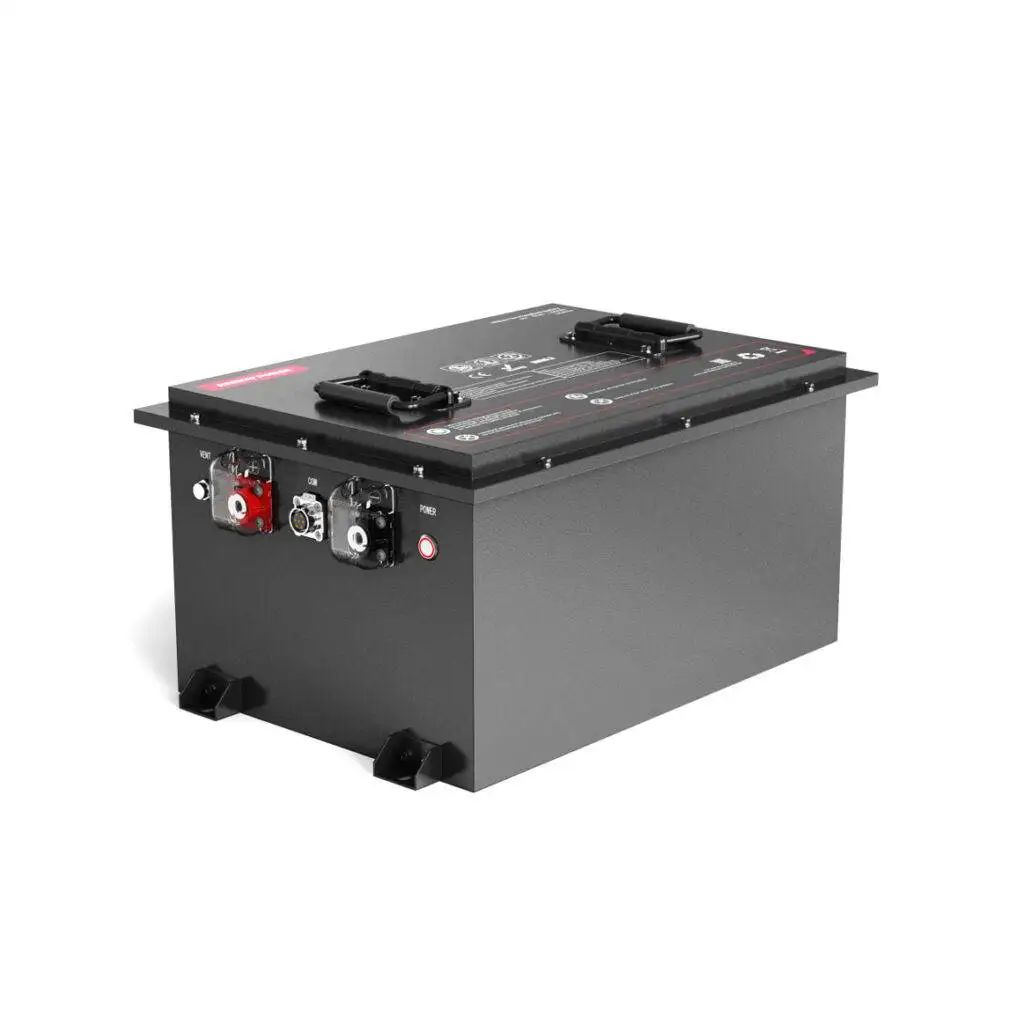
36V lithium batteries deliver reliable power for golf carts, extending range by up to 50% while cutting charging time in half compared to lead-acid options. These batteries reduce maintenance costs and boost daily uptime, making them essential for golf courses, resorts, and commercial fleets seeking operational efficiency.
What Is the Current State of the Golf Cart Battery Industry?
The golf cart battery market faces rapid shifts as lithium adoption grows. Global sales reached $1,585 million in 2025 and project to hit $2,319 million by 2032, driven by demand for longer-lasting power in leisure and utility vehicles.
Lead-acid batteries still dominate 70% of fleets, but their limitations create inefficiencies. Operators report average downtime of 20% due to frequent recharging and maintenance.
What Pain Points Do Golf Cart Operators Face Today?
Daily operations suffer from lead-acid batteries’ short lifespan of 300-500 cycles, leading to replacements every 2-3 years. This results in annual costs exceeding $1,000 per cart for labor and parts.
Safety risks compound issues, with acid leaks and overheating causing 15% of fleet incidents annually. Inconsistent power output reduces cart range to 20-25 miles per charge, disrupting 18-hole rounds or full-day services.
Environmental concerns add pressure, as lead-acid disposal generates 1.5 million tons of waste yearly in the US alone, prompting stricter regulations.
Why Do Traditional Lead-Acid Batteries Fall Short?
Lead-acid batteries weigh 60-70% more than lithium equivalents, straining cart suspension and reducing payload capacity by 200 pounds. Their slow 8-10 hour recharge limits fleets to 2-3 daily uses.
Deep discharges degrade performance quickly, dropping capacity by 50% after 200 cycles. Maintenance demands weekly checks and water top-ups, costing operators 10-15 hours monthly per fleet.
What Makes Redway Battery’s 36V Lithium Solution Stand Out?
Redway Battery, a Shenzhen-based OEM manufacturer with 13 years of experience, offers 36V LiFePO4 batteries tailored for golf carts. These packs provide 3,000+ cycles, 100A continuous discharge, and integrated BMS for overcharge protection.
Customization via OEM/ODM services matches exact cart specs, with capacities from 50Ah to 200Ah. ISO 9001:2015 certification and four factories ensure scalable production and global delivery.
Redway Battery’s automated lines with MES systems deliver 99.9% defect-free rates, backed by 24/7 support.
How Do Redway 36V Lithium Batteries Compare to Traditional Options?
| Feature | Traditional Lead-Acid | Redway 36V Lithium Battery |
|---|---|---|
| Cycle Life | 300-500 cycles | 3,000+ cycles |
| Weight (100Ah) | 280-320 lbs | 90-110 lbs |
| Charge Time | 8-10 hours | 2-4 hours |
| Range per Charge | 20-25 miles | 40-60 miles |
| Maintenance | Weekly water/equalization | None |
| Lifespan (Years) | 2-3 years | 7-10 years |
| Initial Cost | $600-800 | $1,200-1,500 |
| 5-Year Ownership Cost | $3,500+ | $1,800 (incl. longer life) |
How Can You Implement Redway 36V Lithium Batteries Step by Step?
Assess fleet needs: Measure current draw (typically 30-50A) and daily mileage to select 50-150Ah capacity.
Order customized pack: Contact Redway Battery for OEM specs, including Bluetooth BMS for monitoring.
Professional installation: Drop-in replacement takes 1-2 hours; secure mounting and connect wiring harness.
Initial charge cycle: Full charge at 0.5C rate (e.g., 50A for 100Ah), then test range.
Monitor via app: Track SoC, temperature, and cycles; schedule annual checks.
Who Benefits Most from Redway 36V Lithium Batteries in Real Scenarios?
Golf Course Fleet Manager
Problem: Carts die mid-round, causing delays for 200 daily users.
Traditional: Lead-acid recharges twice daily, 25-mile limit.
After Redway: 50-mile range, one charge suffices; uptime rises 40%.
Key Benefit: $15,000 annual savings on replacements.
Resort Utility Operator
Problem: Heavy carts overload suspension, slowing guest services.
Traditional: 300-lb batteries reduce speed on hills.
After Redway: 100-lb pack boosts payload 200 lbs; speed consistent.
Key Benefit: 30% faster operations, happier guests.
Commercial Campus Security
Problem: Night shifts end early due to power fade.
Traditional: Voltage sag after 80% discharge.
After Redway: Stable 36V output to 100% DoD; full 12-hour shifts.
Key Benefit: Reduced overtime by 25%.
Private Estate Owner
Problem: Weekend use drains batteries mid-day.
Traditional: Weekend water top-ups needed.
After Redway: Zero maintenance, 60-mile weekend range.
Key Benefit: Hassle-free ownership, 8-year durability.
Why Is Now the Time to Switch to 36V Lithium for Golf Carts?
Lithium costs dropped 20% in 2025, making 3-year ROI standard versus lead-acid. With fleets electrifying and regulations targeting lead waste, upgrades ensure compliance and edge over competitors.
Redway Battery positions users ahead, as 36V models expand to match rising 36V/48V/72V demands.
Frequently Asked Questions
How long does a Redway 36V lithium battery last?
It delivers 3,000+ cycles, equating to 7-10 years in daily golf cart use.
What capacity suits most 36V golf carts?
100Ah provides 40-50 miles, ideal for standard fleets; scale to 150Ah for heavy duty.
Can Redway batteries replace lead-acid directly?
Yes, drop-in design fits Club Car, EZ-GO, Yamaha; BMS handles voltage matching.
Does Redway offer warranties on 36V packs?
5-10 years, covering capacity retention above 80%.
How does temperature affect Redway 36V performance?
Operates -20°C to 65°C with <5% capacity loss; self-heating options available.
Is customization available for bulk orders?
Full OEM/ODM, including Bluetooth, GPS, from Redway’s Shenzhen factories.
Sources
https://www.marketresearch.com/LP-Information-Inc-v4134/Global-Golf-Cart-Lithium-Battery-43278679/
https://www.redwaypower.com/product/36v-50ah-golf-cart-lithium-battery/
https://www.redway-tech.com/what-makes-36v-lithium-golf-cart-batteries-ideal-for-ecuador/
https://manlybattery.com/product-item/36v-lithium-golf-cart-battery/
For connected guidance and the next practical steps, use the 36V Golf Cart Battery: The Older Voltage That Still Makes Sense.
