




REDWAY BATTERY / KNOWLEDGE
What Are NAPA Golf Cart Batteries 8 Volt?
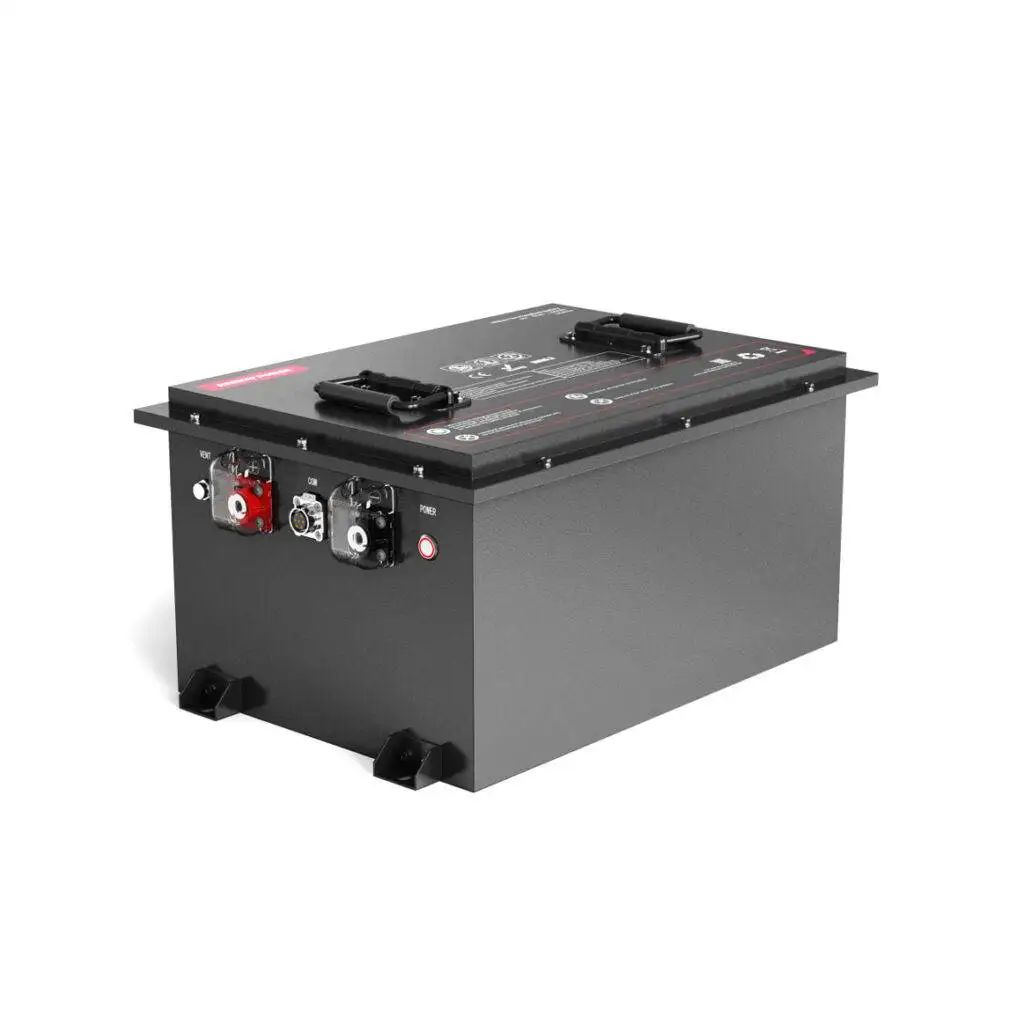
NAPA 8V golf cart batteries are specialized lead-acid or lithium-ion power units designed for multi-seat electric golf carts. Operating at a nominal 8 volts, they provide balanced energy density and discharge rates for extended runtime in golf course, resort, or commercial applications. These batteries are engineered for deep-cycle performance, with reinforced plates and corrosion-resistant terminals to withstand repetitive charging cycles and vibration. Proper maintenance, including regular water refills for flooded lead-acid versions, ensures 3–5-year lifespans.
Cost of 6V Golf Cart Batteries at Costco
What are the key specifications of NAPA 8V golf cart batteries?
NAPA 8V batteries typically deliver 165–190Ah capacity at 20HR rates. Their absorptive glass mat (AGM) or flooded designs prioritize durability, with plate thicknesses exceeding 0.15″ in premium models. Charge voltages range from 9.3V (absorption) to 8.4V (float) for lead-acid variants. Pro Tip: Use temperature-compensated charging to prevent sulfation in humid environments—every 10°F change demands ±0.3V adjustment.
These batteries support 800–1,200 deep cycles at 50% depth-of-discharge (DoD), outperforming standard automotive units. For example, a 48V cart using six NAPA 8V 180Ah batteries achieves 50–65 km per charge. Critical design features include high-density paste for active material retention and multi-port venting to minimize electrolyte stratification. Transitioning to lithium? Expect 30% weight reduction but verify controller compatibility first—lead-acid systems often lack voltage cutoff safeguards for lithium chemistries.
How do NAPA 8V batteries compare to 6V/12V options?
NAPA’s 8V units strike a balance between 6V’s deep-cycle endurance and 12V’s compactness. Where 6V batteries excel in 250+ Ah capacities for long-duration loads, 8V models optimize voltage distribution in 48V systems. A typical 48V setup requires eight 6V vs. six 8V batteries—reducing footprint by 25%. However, 12V batteries risk premature failure in deep-cycle roles due to thinner plates.
| Voltage | Cycle Life | Typical Ah |
|---|---|---|
| 6V | 1,200+ | 220–250 |
| 8V | 800–1,200 | 165–190 |
| 12V | 400–600 | 80–120 |
Practically speaking, golf carts using 8V batteries achieve better torque consistency on hilly courses compared to 12V systems. For resorts prioritizing rapid fleet charging, lithium 8V variants accept 2C rates—reducing downtime by 60% versus lead-acid.
Redway Battery Expert Insight
48V Golf Cart Range on Full Charge
FAQs
Only with a voltage-matching lithium bank. Six lithium 8V batteries require a 48V BMS—lead-acid systems lack cell-balancing capabilities essential for lithium longevity.
How often should I water NAPA flooded 8V batteries?
Check electrolyte levels every 15 charge cycles. Maintain levels 1/8″ above plates using distilled water—tap minerals accelerate corrosion.
This topic belongs to the wider 8V Golf Cart Battery: Fewer Blocks, Same Voltage, Different Trade-offs, which brings the related decisions and practical checks together.
