




REDWAY BATTERY / KNOWLEDGE
How to Choose the Best Golf Cart Battery Upgrade Options?
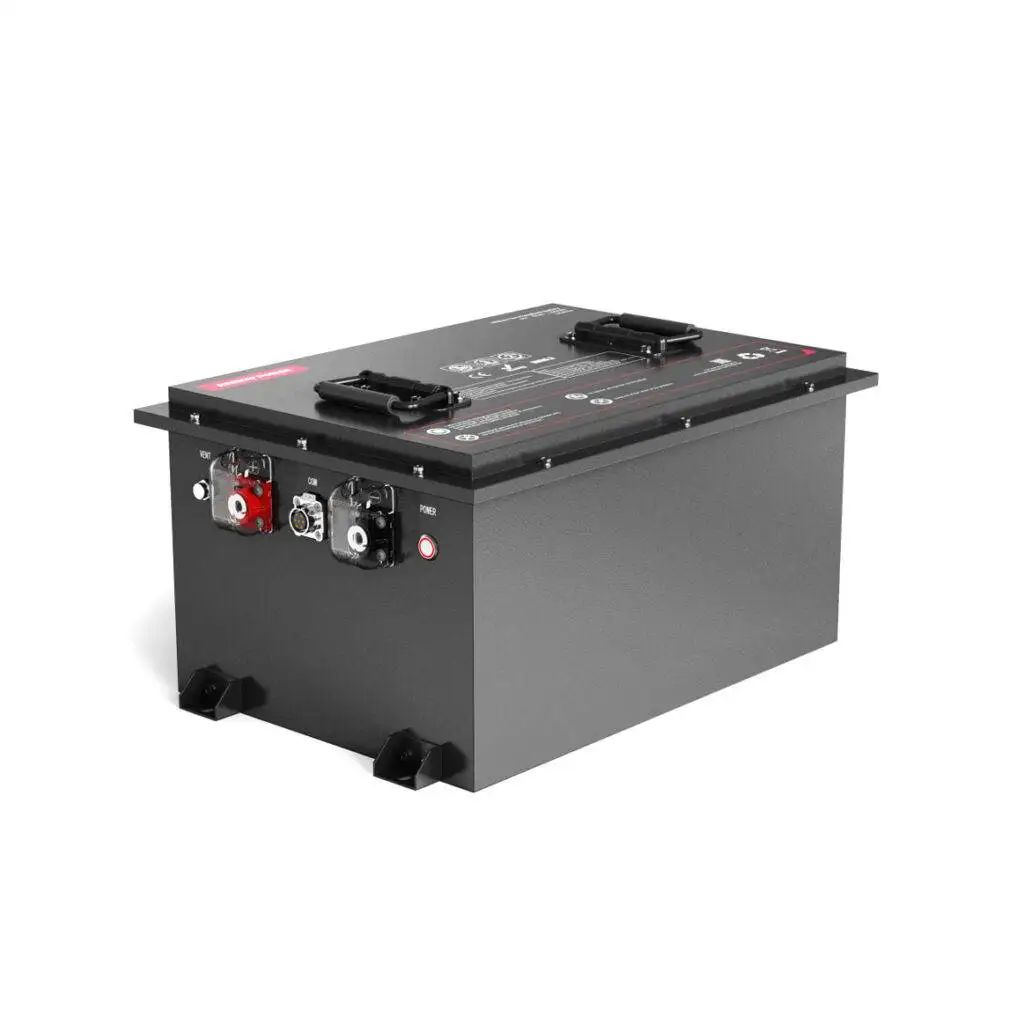
Upgrading your golf cart battery can dramatically improve performance, reduce downtime, and lower total ownership costs. Modern lithium solutions, like those from Redway Battery, deliver longer lifespan, faster charging, and safer energy storage — transforming the way golf courses and private owners operate electric carts.
How is the golf cart battery market evolving and what challenges are driving upgrades?
The global golf cart battery market is undergoing rapid transformation driven by increased electrification in recreational and commercial sectors. According to Allied Market Research, the golf cart market was valued at USD 1.4 billion in 2024 and is projected to reach over USD 2.1 billion by 2030, growing at a CAGR of 6.5%. This growth is fueled by eco-tourism, hospitality, and urban mobility demands. Yet, battery efficiency remains a pain point. Traditional lead-acid batteries cause frequent replacements, high maintenance costs, and inconsistent range — issues that frustrate both fleet managers and individual owners. Rising energy prices and sustainability goals are further pressuring operators to seek more efficient, longer-lasting battery technologies.
What are the key pain points in the current golf cart battery industry?
First, battery maintenance costs are climbing. Lead-acid batteries typically last only 2–3 years, requiring frequent water refills, corrosion cleaning, and charge monitoring. Second, downtime reduces fleet profitability. Golf courses often lose valuable operating hours due to slow charging and inconsistent performance. Third, environmental concerns are intensifying. Spent lead-acid batteries pose disposal challenges and environmental risks, pushing the industry toward greener lithium options. Finally, performance degradation in older models limits user experience — affecting speed, torque, and travel distance per charge.
Why are traditional golf cart battery solutions no longer sufficient?
Traditional flooded lead-acid batteries, while cost-effective initially, come with major drawbacks:
Short lifespan (typically 500–700 cycles) before capacity degradation.
Heavy weight leading to inefficient energy consumption.
Frequent maintenance needed to check electrolyte levels and clean terminals.
Slow charging speeds (6–8 hours) that limit daily usability.
Risk of acid leaks and environmental contamination.
In contrast, lithium LiFePO4 batteries — pioneered by firms like Redway Battery — address these pain points with longer lifespan, higher energy density, and built-in safety systems.
What makes Redway Battery’s LiFePO4 golf cart battery solutions stand out?
Redway Battery offers advanced lithium iron phosphate (LiFePO4) systems tailored for golf carts, combining performance and sustainability. Each pack integrates a smart Battery Management System (BMS) for balanced cell performance, overcharge protection, and real-time monitoring. Features include:
Lifespan: 3,500+ charge cycles (5x longer than lead-acid).
Energy efficiency: up to 96% charge/discharge efficiency.
Maintenance-free operation with integrated protections.
Lightweight structure reducing cart load and improving range.
Rapid recharge in 2–3 hours, enabling higher utilization rates.
With 13+ years of manufacturing experience and ISO 9001-certified production, Redway Battery ensures consistent quality, OEM flexibility, and 24/7 technical support.
Which advantages do lithium batteries offer compared to traditional batteries?
| Feature | Lead-Acid Battery | LiFePO4 Battery (Redway) |
|---|---|---|
| Cycle life | 500–700 cycles | 3,500+ cycles |
| Charging time | 6–8 hours | 2–3 hours |
| Maintenance | High (water refilling, cleaning) | None |
| Weight | Heavy (~150 kg per pack) | Lightweight (~70 kg per pack) |
| Efficiency | 70–80% | Up to 96% |
| Environmental impact | Acid spills, recycling issues | Eco-friendly, lead-free |
| Total cost of ownership | High (frequent replacements) | 35–40% lower over lifespan |
This topic belongs to the wider Golf Cart Battery Sizing: How Many Amp-Hours You Actually Need, which brings the related decisions and practical checks together.
How can users upgrade to Redway Battery’s golf cart solution?
Assessment: Evaluate your golf cart model, voltage needs (typically 48V or 72V), and load requirements.
Consultation: Contact Redway Battery for a tailored LiFePO4 pack recommendation.
Installation: Replace lead-acid models with plug-and-play lithium modules — no major wiring changes needed.
BMS Calibration: The integrated BMS automatically optimizes cell balance and safety.
Testing & Operation: Once installed, users gain instant access to extended range, faster charging, and improved torque.
Who benefits most from golf cart battery upgrades?
Case 1: Golf Course Fleet Operator
Problem: Frequent downtime, high maintenance costs.
Traditional Approach: Replacing lead-acid batteries every 2 years.
After Upgrade: 5x longer battery life, reduced maintenance labor.
Key Benefit: Lower total cost of ownership by 40%.
Case 2: Resort Transportation Team
Problem: Inconsistent battery range affecting guest shuttles.
Traditional Approach: Rotating carts for charging mid-day.
After Upgrade: Full-day operation with fast overnight charging.
Key Benefit: Continuous service, improved guest satisfaction.
Case 3: Private Golf Enthusiast
Problem: Reduced performance and speed on hills.
Traditional Approach: Upgrading motor output while ignoring battery limits.
After Upgrade: Enhanced torque and smooth acceleration with Redway LiFePO4.
Key Benefit: Reliable power performance with extended range.
Case 4: Industrial Facility Fleet
Problem: Slow recharge schedules limiting logistics operations.
Traditional Approach: Dual-battery swapping system.
After Upgrade: Quick recharge within 3 hours.
Key Benefit: Streamlined operations, 20% productivity gain.
What future trends will shape golf cart battery technology?
The next generation of golf cart power will lean on smart, connected lithium systems offering data-driven insights. IoT-enabled BMS units, predictive diagnostics, and modular battery swaps will dominate by 2030. Sustainability regulations will further accelerate lead-acid phase-out. Choosing future-proof solutions now — such as Redway Battery’s lithium packs — ensures operational continuity, compliance, and cost efficiency for years to come.
FAQ
1. Can lithium batteries work with any golf cart model?
Yes, most LiFePO4 batteries, especially modular ones from Redway Battery, are compatible with standard 36V, 48V, and 72V systems.
2. How long does a lithium golf cart battery last?
Typically 3,000–5,000 charge cycles or 8–10 years, depending on usage.
3. Does upgrading to lithium require special chargers?
Redway Battery provides compatible chargers for optimal performance, though many smart chargers can be adjusted for lithium settings.
4. Are lithium batteries safe to use on golf courses?
Yes, LiFePO4 chemistry is among the safest — no thermal runaway, no acid spills, and built-in BMS protection.
5. How much range improvement can users expect?
On average, users gain 25–40% more driving distance per charge compared to lead-acid systems.
Sources
Allied Market Research: Global Golf Cart Market Outlook 2025–2030 (https://www.alliedmarketresearch.com/golf-cart-market)
MarketsandMarkets: Golf Cart Battery Market Report 2024 (https://www.marketsandmarkets.com/)
International Energy Agency: Global Electric Mobility Report 2025 (https://www.iea.org/)
Statista: Global Electric Vehicle Battery Market 2024 Data (https://www.statista.com/)
Redway Battery Official Website (https://www.redwaybattery.com/)
