REDWAY BATTERY / KNOWLEDGE
60V or 72V lithium battery for a low-speed utility vehicle: how do you choose?

Redway Battery Editorial Team
Talk / Battery Q&A
A fleet buyer is replacing lead-acid in low-speed utility vehicles and has quotes for both 60V and 72V lithium packs, and wonders whether 72V would give more speed or range.
Direct answer: The vehicle decides, not the battery. Fit the voltage the controller and motor are rated for: a 72V pack in a 60V vehicle can exceed the controller’s input limit, and a 60V pack in a 72V vehicle can trip its low-voltage cut-out. If the vehicle is rated for both, compare energy, current and size; 72V carries more energy per amp-hour, and a 100Ah 72V pack stores about 7.68 kWh against 6.08 kWh at 60V.
Page figures. 60V 100Ah: 60.8V nominal, 69.3V maximum, 47.5V cut-off, 6.08 kWh, 100A continuous, 200A for 3 seconds, 64 kg, IP65. 72V 100Ah: 76.8V nominal, 87.6V maximum, 60V cut-off, 7.68 kWh, 100A continuous, 250A for 20 seconds, 71.5 kg, IP67. 72V 50Ah: 3.84 kWh, 50A continuous, 200A for 20 seconds, 39.5 kg, IP67.
The overlap trap. The two windows overlap between 60V and 69.3V, so a vehicle may appear to run on the wrong pack for a while. A 72V pack fresh off the charger at 87.6V can exceed a 60V controller’s maximum input and damage it; a 60V pack near empty at 47.5V is below a 72V controller’s usual range. Get the controller’s rated input range from the vehicle maker.
Speed and range. A motor’s top speed generally rises with voltage if the motor and controller are rated for it, but changing voltage on a vehicle not designed for it can affect braking, gearing and safety. Range depends on energy (kWh) and the vehicle’s use per kilometre, not voltage alone.
Current. At the same power, a higher voltage draws less current. Check that the controller’s maximum battery current is within the pack’s continuous rating; 50A on the 72V 50Ah is the lowest of the three.
Charger and connector. Each needs its own lithium charger: 69.3V for the 60V pack and 87.6V for the 72V packs. Label chargers and use different connectors where possible to prevent mix-ups. For the 72V side, see choosing a 72V pack for utility carts.
Mixed fleets. If a fleet runs both 60V and 72V vehicles, mark each vehicle and its charger with the system voltage, keep spare packs labelled by voltage, and do not move packs between vehicle types. Record the battery voltage on each vehicle’s service card.
↳ Replying to Redway Battery Editorial Team
Confirm the vehicle’s rated voltage first, then compare price per kWh and installed cost; do not let a cheaper pack change the platform voltage.
↳ Replying to Procurement perspective
Check the controller input range against 47.5V–69.3V or 60V–87.6V and controller current against the pack’s continuous rating.
↳ Replying to Selection/Engineering perspective
Use the matching 69.3V or 87.6V charger, label it per vehicle, and check connectors and cables for heat at each service.
The vehicle decides, not the battery. Fit the voltage the controller and motor are rated for: a 72V pack in a 60V vehicle can exceed the controller’s input limit, and a 60V pack in a 72V vehicle can trip its low-voltage cut-out. If the vehicle is rated for both, compare energy, current and size; 72V carries more energy per amp-hour, and a 100Ah 72V pack stores about 7.68 kWh against 6.08 kWh at 60V.
Verify before ordering: The product pages target golf carts; suitability for other low-speed or utility vehicles, and any vehicle approvals, must be confirmed with Redway and the vehicle maker.
Editorial Q&A for battery selection and operations. Product figures cited from Redway product pages.
Related products
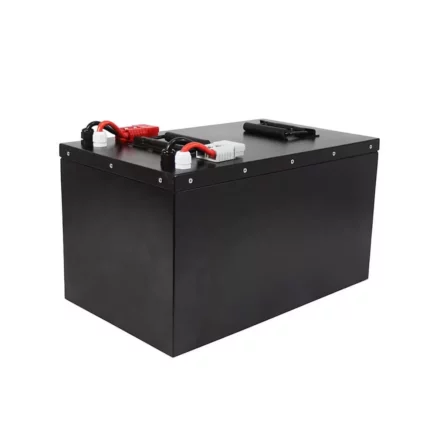 60V 100Ah Lithium Battery
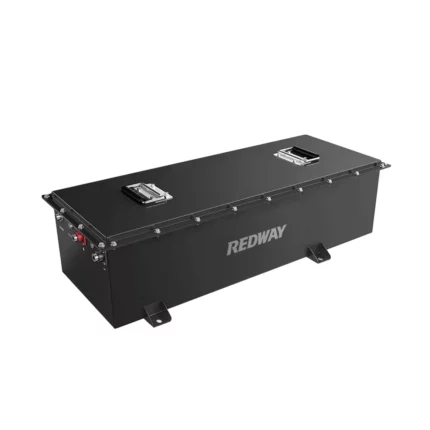 72V 100Ah Lithium Golf Cart Battery
 72V 50Ah Lithium Golf Cart Battery
Related articles & discussions
- How Far Can a 72V 50Ah Lithium Battery Power Your Vehicle?
- Is 60V Better than 48V?
- Understanding the Lifespan of a 60V LiFePO4 Battery
- What are the key features of Redway 60V LiFePO4 batteries?
- How to Choose the Right 60V 200Ah LiFePO4 Battery for Your Needs
- How to Select the Best 72V 200Ah Lithium Battery for Electric Vehicles
- Can I Charge a 48V Battery with a 60V Charger?
- What Is A 72V Lithium Battery?
- How Far Can a 72V 50Ah Lithium Battery Power Your Electric Vehicle?
- How to Choose the Best Snapper 60V Battery for Your Needs