




REDWAY BATTERY / KNOWLEDGE
Why does a lithium golf cart lose range in cold weather?
Redway Battery Editorial Team
Talk / Battery Q&A
A northern golf course notices lithium carts that normally finish 36 holes need a mid-day charge when morning temperatures are near freezing.
Direct answer: Cold reduces the usable energy and power a LiFePO4 pack can deliver: internal resistance rises, voltage sags earlier under the same hill load, and the BMS may limit discharge or block charging near or below 0°C. Expect shorter winter range even when the pack is healthy. Store and charge carts indoors when you can, and do not treat cold range loss as a failed battery without summer comparison data.
Chemistry effect. Lithium cells deliver less capacity at low temperature. The loss is largely temporary and recovers as the pack warms from use or a warmer garage. Published golf-cart pages for the 48V 100Ah (S51105), 48V 150Ah and 72V 100Ah commonly list wide operating windows (often down to about -20°C discharge on marketing sheets), but usable range still falls in the cold; ask Redway for any derating notes for your model.
Power effect. Higher internal resistance means more voltage drop under acceleration, so hills feel weaker and low-voltage protection can arrive sooner. That feels like ‘lost range’ even if amp-hours remain.
Charging below freezing. Many BMS configurations reduce or forbid charge current near 0°C to protect cells. A cart brought in cold may refuse charge until it warms, or may accept only a trickle. Self-heating options exist on some Redway 12V products; for golf packs, confirm whether your build includes a heater.
Fleet practice. Store carts indoors overnight, charge in a space above freezing, and set guest expectations for winter holes-per-charge. Related industrial cold topics appear in cold-storage forklift specification.
Do not over-correct. Raising charge voltage past the LiFePO4 spec will not restore cold capacity and can create faults.
Diagnose real faults separately. A cart that also fails on warm afternoons, shows large cell imbalance, or cuts out under mild load may have a controller or battery issue; see separating battery from controller power loss for a structured approach.
Data to keep. Log outdoor temperature, starting SOC and holes completed for a few winter days so purchasing can plan spare carts or mid-day opportunity charging.
Spring check. After winter, run a full charge and a warm-day range check to confirm capacity returned. Carts that still underperform when warm need the usual electrical diagnosis rather than another cold-weather explanation.
↳ Replying to Redway Battery Editorial Team
Set winter range expectations with operations so cold loss is not treated as a defect by default.
↳ Replying to Procurement perspective
Confirm charge-temperature limits and any heater option on the exact golf-cart BMS build.
↳ Replying to Selection/Engineering perspective
Store and charge indoors in freezing seasons, and log temperature against holes completed.
Cold reduces the usable energy and power a LiFePO4 pack can deliver: internal resistance rises, voltage sags earlier under the same hill load, and the BMS may limit discharge or block charging near or below 0°C. Expect shorter winter range even when the pack is healthy. Store and charge carts indoors when you can, and do not treat cold range loss as a failed battery without summer comparison data.
Verify before ordering: No site-measured cold-derating figures are published here; confirm temperature limits and any heaters with Redway for the installed models.
Editorial Q&A for battery selection and operations. Product figures cited from Redway product pages.
Related products
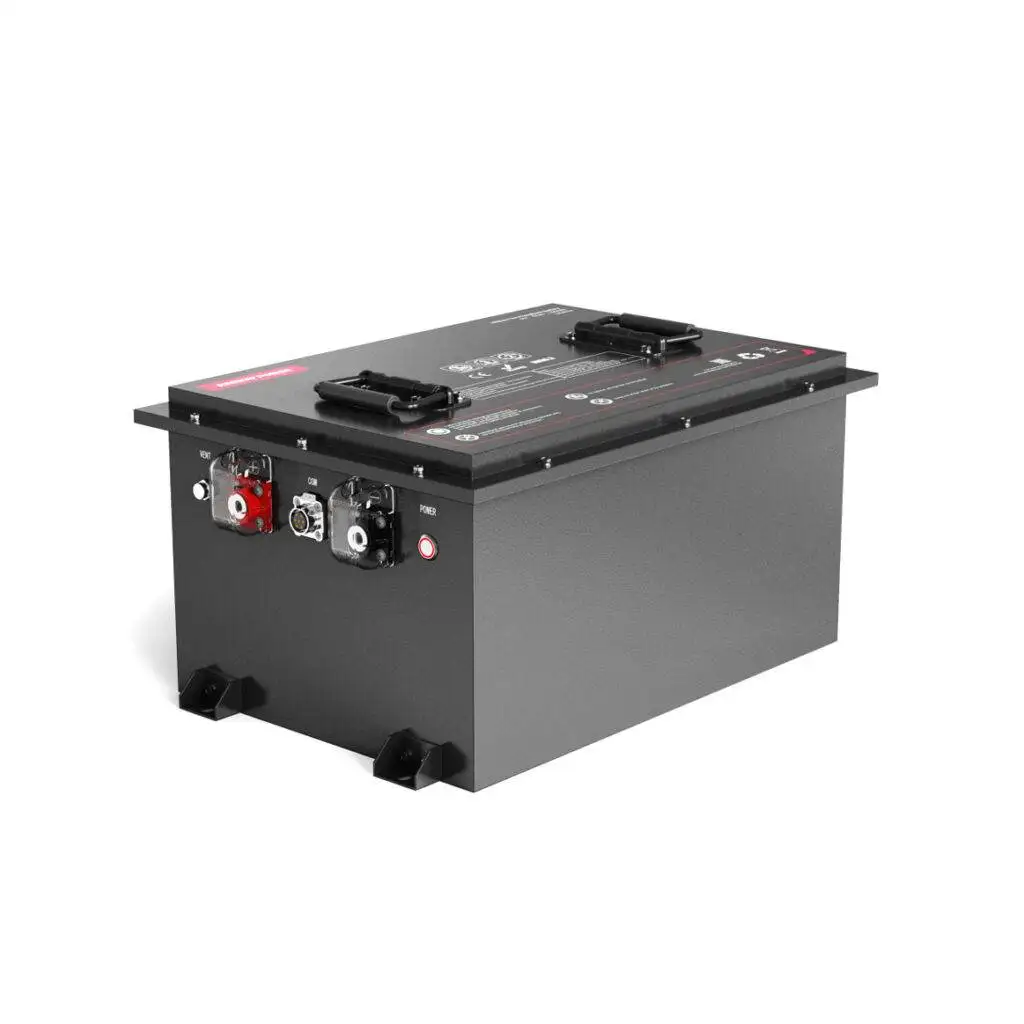
 48V 100Ah LiFePO4 Golf Cart Battery
 48V 150Ah LiFePO4 Golf Cart Battery (S48150P)
 72V 100Ah LiFePO4 Golf Cart Battery (S72105P)
Related articles & discussions
- What Are Deep Cycle Lithium Batteries and How Do They Perform in Cold Weather?
- Why Lithium Batteries Are Ideal for Cold Weather Camping
- What is the Ideal Voltage Range for Golf Cart Batteries?
- How Cold Is Too Cold for a Lithium Battery?
- What Are the Best Practices for Storing LiFePO4 Batteries in Cold Weather?
- What is the Range of a 48V 100Ah Lithium-Ion Battery?
- What is the Range of CCA in Battery?
- How to Determine the Range of a 72V 40Ah Lithium Battery
- What Benefits Come with 12V to 72V LiFePO4 Battery Range?
- How to Winterize Lithium RV Batteries: Tips for Maintenance and Storage
