




Electric Forklift Battery
An electric forklift is bought on run time and paid for on maintenance. The pack decides both, and the truck model only narrows the choice.
This is the electric forklift page of the forklift battery set: which pack fits which model range, what the maintenance line actually contains, and how electric compares on running cost.
Three routes through electric forklifts
Pick the pack, read the model ranges, or work out the maintenance and running cost.
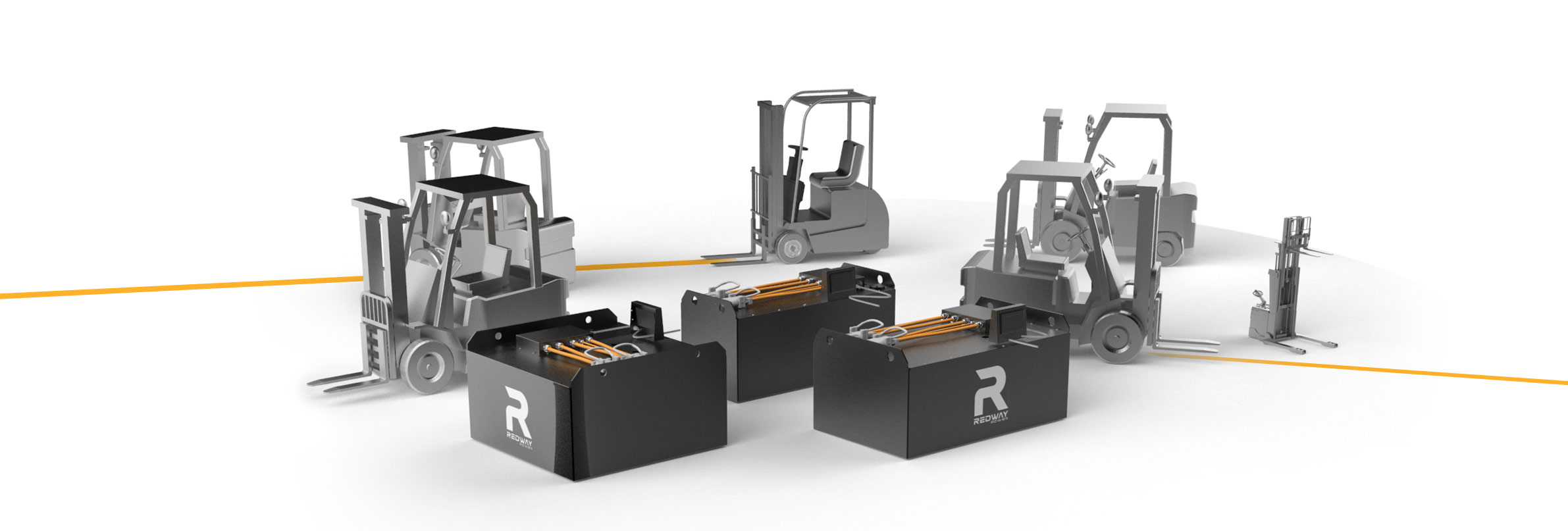
Choosing the battery
Capacity, voltage and what the duty asks of the pack.
- Are Electric Forklifts Really Less Powerful Than Traditional Models?
- What Makes the 36V 750Ah Electric Forklift Battery 18-125-13 Unique?
- What Makes the 18-125-11 Electric Forklift Battery Stand Out?
- What Makes the 36V 680Ah Electric Forklift Battery 18-85-17-a Ideal?
Show remaining 7 articles
- What Makes the 24V 875Ah Electric Forklift Battery 12-125-15-d Unique?
- What Makes the 24-85-9 Electric Forklift Battery a Top Choice?
- What Makes the 24V X Series 3-Wheel Electric Forklift Unique?
- What Makes the EP14-20(C)N2T Small Electric Forklift Stand Out?
- How Does Product 8208006679 Improve Electric Forklift Battery?
- What Are the Key Considerations for Electric Forklift Batteries?
- What Are The Features Of An Electric Forklift Battery?
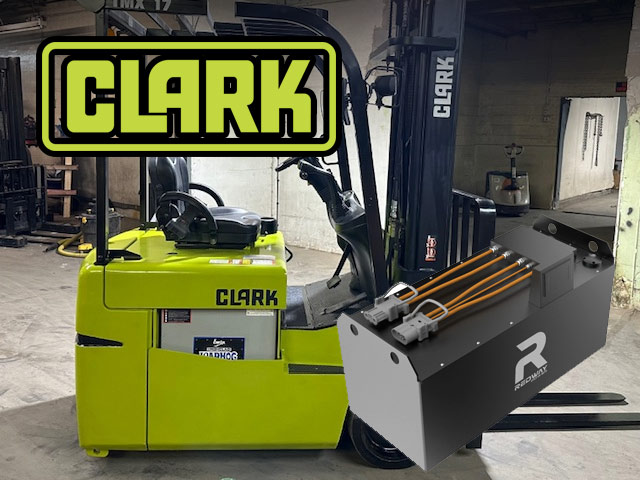
Model ranges
Three-wheel and four-wheel ranges, and the codes that identify them.
- What Are the Key Features of the Series 3-Wheel Electric Forklift?
- What Is A 3-Wheel Electric Forklift Assembled In USA?
- What Is The J80-120XN-NA Electric Forklift Model?
- What Is The J4.0-5.5XN 4 Wheel Electric Forklift Model?
Show remaining 13 articles
- What Is The J1.6-2.0UTT 3-Wheel Electric Forklift?
- What Is The J40XNTL 3-Wheel Electric Forklift?
- What Is The J7.0-9.0XNL 4-Wheel Electric Forklift?
- What Is The J3.50-4.00EX 4-Wheel Electric Forklift?
- What Is The J30-70UT 4-Wheel Electric Forklift?
- What Are 3-Wheel Electric Forklift Trucks?
- What Is The J32-40UTT 3-Wheel Electric Forklift?
- What Are The Capabilities Of J1.6-2.0XN Electric Forklifts?
- What Are The Features Of E2.2-3.5XN Electric Forklifts?
- What Are The Features Of J50-60XNL Electric Forklifts?
- What Are The Features Of J1.5-3.5UT Electric Forklift?
- What Are Features Of J2.5-3.0XNL Electric Forklifts?
- What Is In The J45-70xn 4-Wheel Electric Forklift Guide?
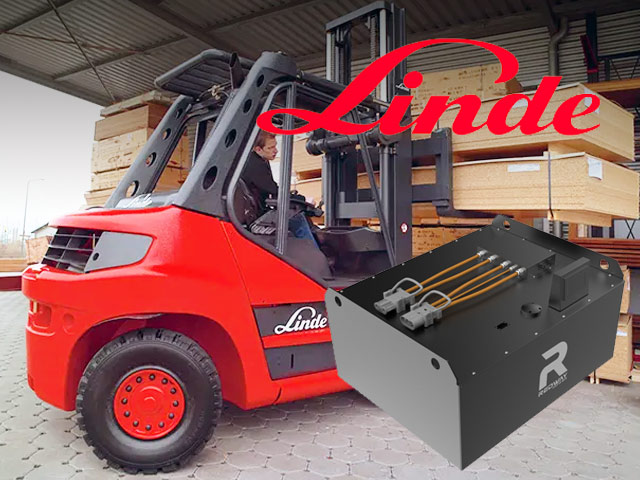
Maintenance, cost and the environment
What the maintenance line contains, and the carbon accounting.
What the maintenance line actually contains
On a flooded electric truck, most of the maintenance cost is the pack, and most of that is labour.
Watering, equalising and terminal care
A flooded pack needs watering every couple of weeks in heavy use, an equalise cycle on a schedule, and terminal cleaning. None of it is expensive in parts; all of it is labour, and it recurs for the life of the pack. On a fleet that is a payroll line, not an occasional task.
The hidden cost is the second battery and the change
A truck on continuous duty needs either a second battery or a charging window. The second battery is capital, and the change is labour plus a handling risk. Lithium removes both, which is why the maintenance comparison usually turns into an operational comparison within the first meeting.
Reading the model ranges
The model code identifies the chassis, and the chassis decides the compartment.
Three-wheel and four-wheel ranges take different trays
Three-wheel trucks turn tighter and suit narrow aisles; four-wheel trucks carry more and handle uneven floors. Their compartments differ, so a pack specified for one will not necessarily drop into the other even at the same voltage and capacity class. Read the code, then measure.
Capacity class sets the pack size, not the battery label
A truck's rated capacity and lift height set how much current the pack has to deliver and how much counterweight the compartment can afford. On a high-capacity electric truck the pack is often the counterweight, which is why specifying a lighter lithium pack can change the truck's stability.
The four numbers that decide an electric pack
Voltage and cell count
The truck fixes the voltage. The charger has to match the cell count, not just the nominal figure, or the pack is over- or under-charged every cycle.
Capacity class and lift height
Together they set the current the pack must deliver under full load. Undersizing shows up as poor lift performance rather than an obvious fault.
Whether the pack is also the counterweight
On many electric trucks it is. That makes a lighter lithium pack a stability question as well as an electrical one.
Shifts and charging window
One shift works on a conventional charge. Continuous duty needs opportunity charging or a second battery, and that decision is made before the pack is chosen.
Questions people ask before they buy
What battery does an electric forklift use?
A deep-cycle lead-acid pack or a lithium pack at the truck's system voltage, typically 24V, 36V or 48V for counterbalance trucks and higher for heavy classes. The pack has to match the compartment, the current the truck draws under full load, and the charger's profile.
How long does an electric forklift battery last?
A flooded pack typically gives three to five years of service, or roughly 1,500 cycles at moderate depth. A lithium pack gives 3,000 to 6,000 cycles. Depth of discharge, heat and watering discipline move the lead-acid figure more than any brand choice does.
What maintenance does an electric forklift battery need?
Watering to about a quarter inch above the plates, on a schedule rather than when it looks low; a periodic equalise charge to rebalance cells; terminal cleaning and torque checks. Most of the cost is labour rather than parts.
Can I replace a lead-acid forklift battery with lithium?
Yes, and the motor and controller usually stay. What changes is the pack, the charger and often the hold-down, and on trucks where the pack doubles as counterweight you have to check stability. The BMS rating must exceed the controller's peak draw.
Are electric forklifts better for the environment?
They avoid tailpipe emissions entirely, which is why indoor operations use them. The fuller comparison includes how the electricity is generated and the pack's end-of-life route, where lithium recycling is less mature than lead-acid's. Per shift worked, a longer-life lithium pack carries a lower embodied impact.
Send the model code and we will confirm the pack
Tell us the truck model, the system voltage, the rated capacity, the lift height and the shifts per day. We will confirm the pack, the BMS rating for lithium, and the charger.
