




IC vs Electric Forklift
Electric has taken the warehouse. Internal combustion still owns the yard, and the reason is not torque.
This is the IC versus electric page of the forklift battery set: where each drivetrain actually belongs, and what switching from diesel or LPG to lithium involves.
Three routes through the comparison
Where IC still wins, what changes when you switch, or the truck classes involved.
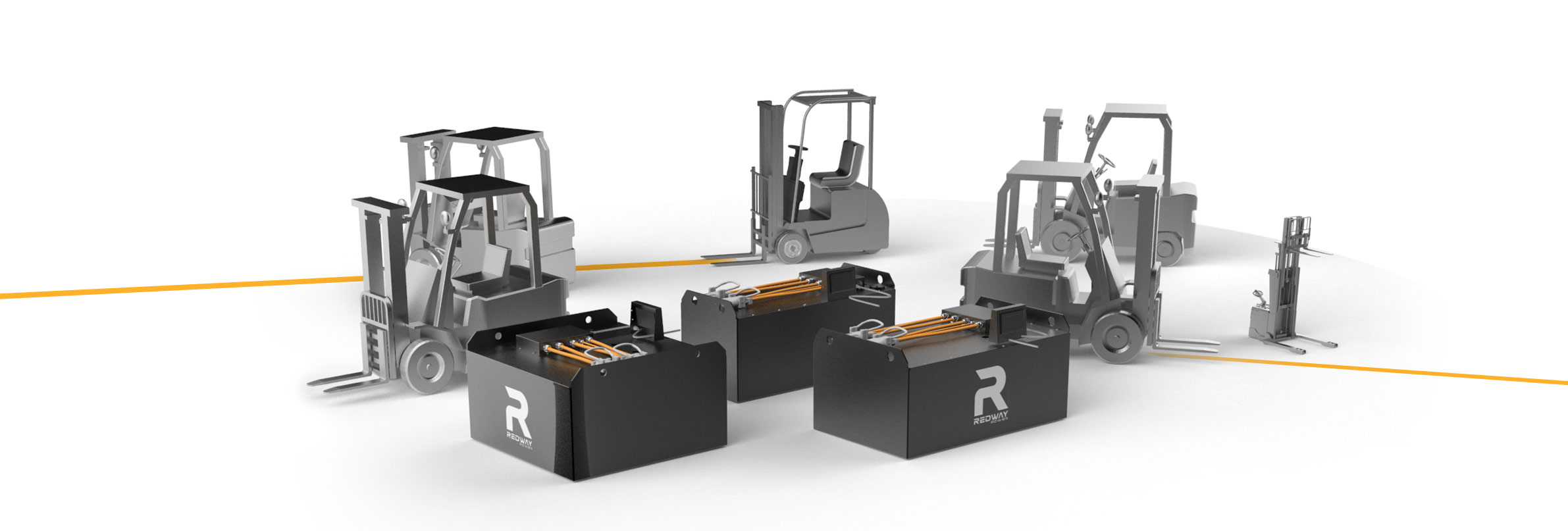
Where internal combustion still wins
Outdoor yards, construction, high-capacity lifting and long shifts without a charge window.
- What Makes the 80V Electric Lithium-ion Pneumatic Tire Forklift Ideal?
- What Makes the 80V Electric Lithium-ion Pneumatic Tire Forklift Stand Out?
- What Makes the IC Compact Pneumatic Forklift 5000lbs Ideal for Outdoor Use?
- IC Pneumatic Forklifts 13500-15500lbs: Key Features, Comparisons, and Industry Applications
Show remaining 17 articles
- What Are the Key Features of IC Pneumatic Forklifts 8000-11000lbs
- What Makes the XH Series Lithium-ion Pneumatic Forklift Stand Out?
- What Is A Core IC Pneumatic Forklift?
- What Is A High-Capacity IC Pneumatic Forklift?
- What Is A Mid IC Pneumatic Forklift?
- What Are Pneumatic Tires For Forklifts?
- Want Toyota Pneumatic IC Forklifts In Stock?
- What Is The H190-280XD Internal Combustion Truck Series?
- What Are H25-32XD Pneumatic Tire IC Trucks?
- What Are H80-120FT IC Pneumatic Tire Trucks?
- What Are H170-190FT IC Pneumatic Tire Trucks?
- What Are H170-190FT IC Pneumatic Forklift Brochure Details?
- What Are H2.0-3.5A IC Pneumatic Truck Specifications?
- What Are Key Specs Of H5.0-7.0UT IC Pneumatic Trucks?
- What Are Key Features Of H80-120FT IC Pneumatic Forklift Brochure?
- What Are Specs Of H2.0-3.5XT IC Pneumatic Forklift Document?
- What Are High-Capacity Internal Combustion Forklifts?
What changes when you switch to electric
Charging infrastructure, motive power uptime and the emerging integrated-lithium trucks.
Truck classes and warehouse choices
Reach trucks, swing reach and the container-handling end of the range.
The split is indoor against outdoor
Emissions regulations settled the warehouse question years ago. Outdoors, the calculus is different.
Inside, electric wins on the regulations alone
Internal combustion engines cannot run in an enclosed warehouse, so the choice there is not really a choice. What has changed is that lithium packs made electric trucks viable on multi-shift indoor work, because they removed the battery change and the charging room that used to limit electric to one shift.
Outside, IC still owns the duty cycle
An outdoor yard truck runs long shifts with no charging window, in weather, often on rough ground. That is a duty cycle lithium can serve only with a large pack and a fast charger, and diesel or LPG serves it with a fuel can. This is why yards have not converted at the rate warehouses have.
What the switch actually requires
Four items, and the first two are the ones that get underestimated.
Charging infrastructure and a charge window
An electric truck needs somewhere to charge and a period in which to do it. In a warehouse that is break charging and opportunity charging. On a single-shift yard it means an overnight window. If neither exists, the truck needs a big enough pack to run the whole shift, which changes the cost substantially.
Tyres, terrain and the truck class
Cushion tyres suit indoor floors; pneumatic tyres suit rough outdoor surfaces. An electric truck specified with the wrong tyre type performs badly regardless of the pack, which is why the tyre question comes before the battery question on a conversion.
The four things that decide the drivetrain
Whether the truck works indoors
Inside, emissions rules decide it. There is no version of an IC truck running in an enclosed warehouse.
Whether there is a charge window
Break charging for indoor fleets, an overnight window for single-shift sites. Without either, the pack has to be large enough to run the shift on one charge.
Terrain and tyre type
Pneumatic for rough ground, cushion for indoor floors. The wrong tyre makes an otherwise correct drivetrain feel wrong.
Shift length and load
Long shifts with sustained heavy loads still favour IC in the yard. Short bursts with idle time favour electric, and that is where opportunity charging works.
Questions people ask before they buy
Are electric forklifts less powerful than IC forklifts?
Not in the classes where both compete. Electric trucks deliver full torque from zero speed, which is better for lifting and climbing than an engine's curve. The practical limit is duty cycle rather than power: an electric truck needs a charge window, and a large enough pack if it does not have one.
When should you choose an IC forklift over electric?
Outdoor yards, construction sites, long shifts with sustained heavy loads, and any operation without a realistic charge window. Diesel and LPG also handle rough terrain and weather without the pack and charging infrastructure an electric truck needs.
What is involved in switching from IC to lithium electric?
A truck specified for the load and terrain, a lithium pack sized for the shift, a compatible charger, and somewhere to charge it. The infrastructure is the part most often underestimated, because a conversion that leaves no charge window leaves the truck short of capacity on its longest day.
Do electric forklifts work outdoors?
Yes, with pneumatic tyres and a pack sized for the duty. Outdoor work is harder on the duty cycle because shifts are longer and there is often no mid-shift charging opportunity, so the pack generally has to be larger than the equivalent indoor specification.
What is an integrated lithium forklift?
A truck designed around a lithium pack from the factory rather than converted afterwards. The pack, BMS and charger are specified together and the truck is built for opportunity charging, which removes the battery change entirely and lets one truck cover work that would otherwise need two batteries.
Tell us the duty cycle and we will say which way it goes
Send the truck class, indoor or outdoor use, shift length, load and whether a charge window exists. We will tell you whether the duty favours electric, and what the pack and charging would need to look like.
