




REDWAY BATTERY / KNOWLEDGE
Global Golf Cart Lithium Battery Market Growth 2026-2032
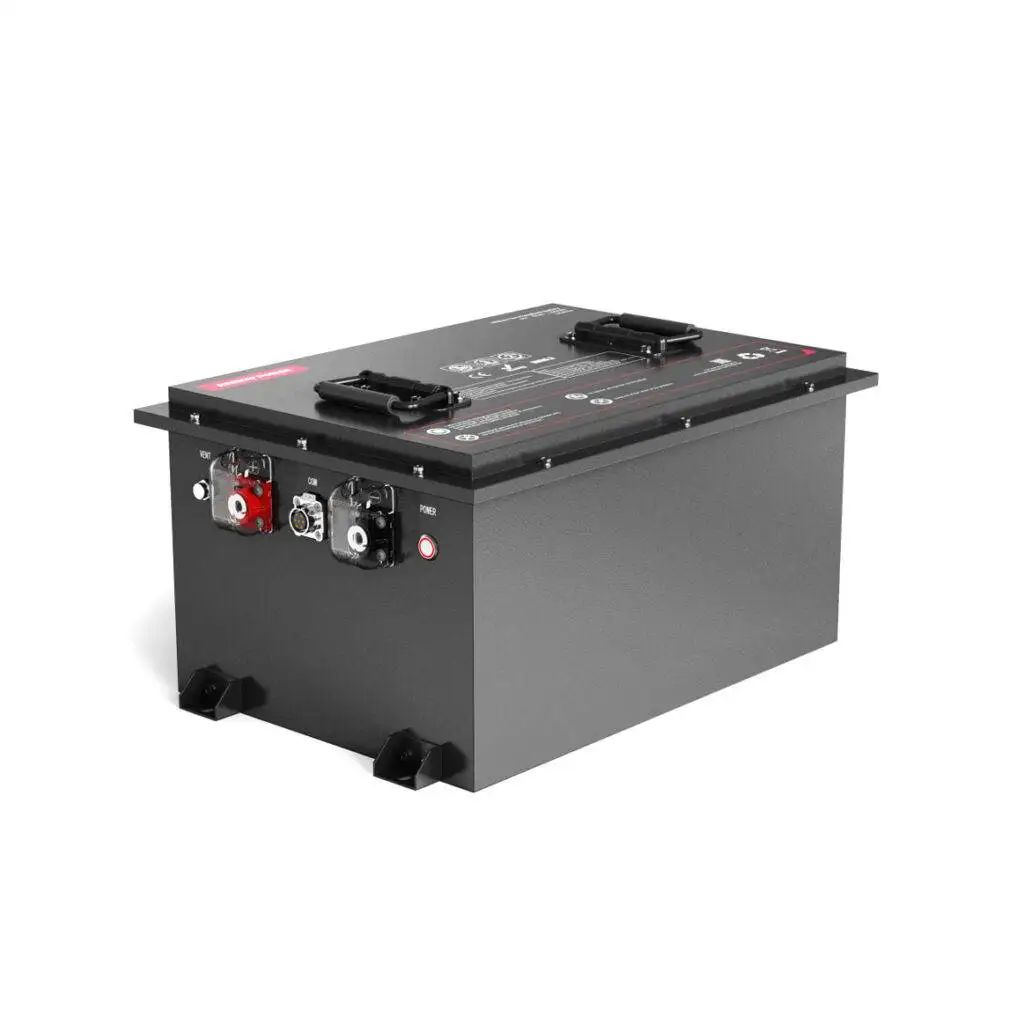
The global golf cart lithium battery market is rapidly expanding, driven by the shift from lead-acid to lithium solutions that offer higher energy efficiency, longer cycle life, lighter weight, and improved safety. Redway Battery, a leading OEM lithium battery manufacturer, provides high-performance LiFePO₄ batteries that support this growing demand across golf courses, resorts, and commercial campuses worldwide.
What is Driving the Growth of Golf Cart Lithium Batteries Globally?
The growth of the golf cart lithium battery market is fueled by the increasing adoption of electric golf carts in North America, Asia, and Europe. Lithium batteries provide faster charging, lower maintenance, and longer operating hours compared to lead-acid alternatives. Cost reductions in lithium battery systems, enhanced safety of LiFePO₄ chemistry, and the rising preference for fleet electrification have positioned companies like Redway Battery as key suppliers in the market.
How Do Lithium Golf Cart Batteries Improve Performance?
Lithium golf cart batteries, typically using LiFePO₄ or ternary lithium materials, offer high energy density and extended cycle life. They are lighter than traditional lead-acid batteries, reducing the overall weight of golf carts and improving efficiency. Lithium solutions deliver stable power output throughout the day, enabling longer trips without interruptions and lowering total ownership costs.
| Feature | Lead-Acid Battery | Lithium Battery (LiFePO₄) |
|---|---|---|
| Cycle Life | 300–500 cycles | 2,000–5,000 cycles |
| Charging Time | 8–12 hours | 2–4 hours |
| Weight | Heavy | Lightweight |
| Maintenance | High | Low |
| Power Stability | Moderate | High |
Which Markets Are Adopting Lithium Golf Cart Batteries?
The primary markets include golf courses, resorts, gated communities, and commercial campuses. North America remains the largest market due to the mature electric golf cart industry, while APAC regions, including China, India, and Southeast Asia, are emerging markets. Redway Battery provides tailored solutions for OEMs and after-market applications, supporting rapid adoption in both established and emerging markets.
What Types of Lithium Batteries Are Used in Golf Carts?
The market features three main battery types:
LiFePO₄ (LFP) Batteries: Highly safe, long-lasting, and suitable for extended daily operations.
NCM/NCA Batteries: High energy density and compact size, ideal for space-limited designs.
Other Lithium Chemistries: Specialized applications requiring unique voltage or capacity configurations.
Voltage ranges commonly include 36V, 48V, and 72V, with capacity options from low (≤100Ah) to high (≥150Ah). This flexibility allows golf cart operators to select batteries optimized for performance and runtime.
How Does Redway Battery Support the Global Market?
Redway Battery leverages over 13 years of expertise to deliver high-quality, reliable lithium batteries. With four advanced factories, ISO 9001:2015 certification, and a 100,000 ft² production area, Redway ensures consistent output and safety. The company also provides OEM/ODM customization, helping fleet operators design energy solutions for long-term performance, faster charging, and cost efficiency.
Redway Expert Views
“Lithium battery adoption in golf carts is no longer optional—it’s essential for operational efficiency and sustainability. At Redway Battery, we focus on delivering LiFePO₄ solutions that combine safety, reliability, and long-term value. Our engineering team works closely with OEMs to optimize battery size, voltage, and capacity, ensuring every fleet benefits from longer runtime, reduced maintenance, and lower total cost of ownership. This approach strengthens global adoption and supports the transition to cleaner, high-performance electric mobility.”
What Are Key Market Trends?
Fleet Electrification: Golf courses and resorts are replacing older lead-acid batteries to lower operating costs and reduce environmental impact.
Technological Advancements: Improved LiFePO₄ cell design and battery management systems enhance safety and energy efficiency.
Cost Reduction: Falling lithium battery prices make upgrades more affordable, boosting adoption.
After-Market Growth: Replacement and upgrade markets are expanding alongside OEM sales.
| Region | 2025 Market Share (%) | 2032 Projected Market Share (%) |
|---|---|---|
| North America | 40 | 38 |
| APAC | 25 | 30 |
| Europe | 20 | 18 |
| Middle East & Africa | 10 | 8 |
| Latin America | 5 | 6 |
For the surrounding sizing, selection, installation and maintenance decisions, continue with the Lithium Golf Cart Battery: What Changes, What It Costs, What Breaks.
Conclusion
The global golf cart lithium battery market is on a strong growth trajectory, driven by superior performance, reduced maintenance, and expanding adoption across multiple regions. Redway Battery’s expertise in LiFePO₄ technology positions it as a leading provider, ensuring reliable energy solutions tailored to fleet needs. Fleet operators can benefit from lower operating costs, longer runtimes, and safer, more efficient battery systems.
FAQs
Q1: How long do lithium golf cart batteries last compared to lead-acid?
A: LiFePO₄ batteries typically last 4–10 times longer than lead-acid batteries, providing thousands of charge cycles.
Q2: Are lithium golf cart batteries safe for everyday use?
A: Yes, LiFePO₄ batteries are highly stable, resist overheating, and include battery management systems to ensure safety.
Q3: Can lithium batteries be retrofitted into older golf carts?
A: Yes, most lithium batteries can replace lead-acid packs with compatible voltage and capacity, improving performance and runtime.
Q4: How does Redway Battery ensure product quality?
A: Redway Battery employs ISO 9001:2015-certified production, automated MES systems, and strict testing to guarantee consistent, high-quality battery packs.
Q5: What factors should I consider when choosing a lithium golf cart battery?
A: Consider voltage, capacity, cycle life, charging speed, weight, and warranty. Redway Battery offers customized solutions for each application.
