




REDWAY BATTERY / KNOWLEDGE
How Can a Comprehensive Playground Inspection Checklist Ensure Safer Recreational Spaces?
Playground safety is a global priority as urban communities invest in inclusive recreation infrastructure. A robust, data-driven playground inspection checklist optimizes safety, efficiency, and maintenance quality to reduce accidents and operational costs while ensuring compliance with international standards.
What Is the Current State of Playground Safety and Industry Pain Points?
According to the U.S. Consumer Product Safety Commission (CPSC), over 200,000 children are treated annually in emergency rooms for playground-related injuries, with nearly 75% of cases occurring on public playgrounds. Despite advances in design, inadequate maintenance remains a key factor in 30% of incidents. The National Recreation and Park Association (NRPA) reports that nearly 40% of U.S. municipalities still perform manual or irregular inspections, creating dangerous inconsistencies. Compounding the issue, many facilities rely on outdated paper checklists lacking digital traceability or standardized reporting methods. This inefficiency increases liability exposure and reactive maintenance costs that can exceed $8,000 per major equipment replacement event.
Why Are Traditional Playground Inspection Practices Failing to Meet Modern Safety Standards?
Conventional inspection practices depend heavily on manual documentation, inconsistent check cycles, and delayed response times. Paper-based logging systems make it difficult to track recurring issues, share updates across departments, or verify inspection authenticity. Data storage is fragmented, often scattered among reports, spreadsheets, or local records, creating compliance blind spots. Manual processes also prevent predictive maintenance analysis, leaving teams in reactive rather than preventive mode. As a result, playgrounds face longer downtimes, safety violations, and increasing insurance liabilities.
How Does a Digital Playground Inspection Checklist Provide a Reliable Solution?
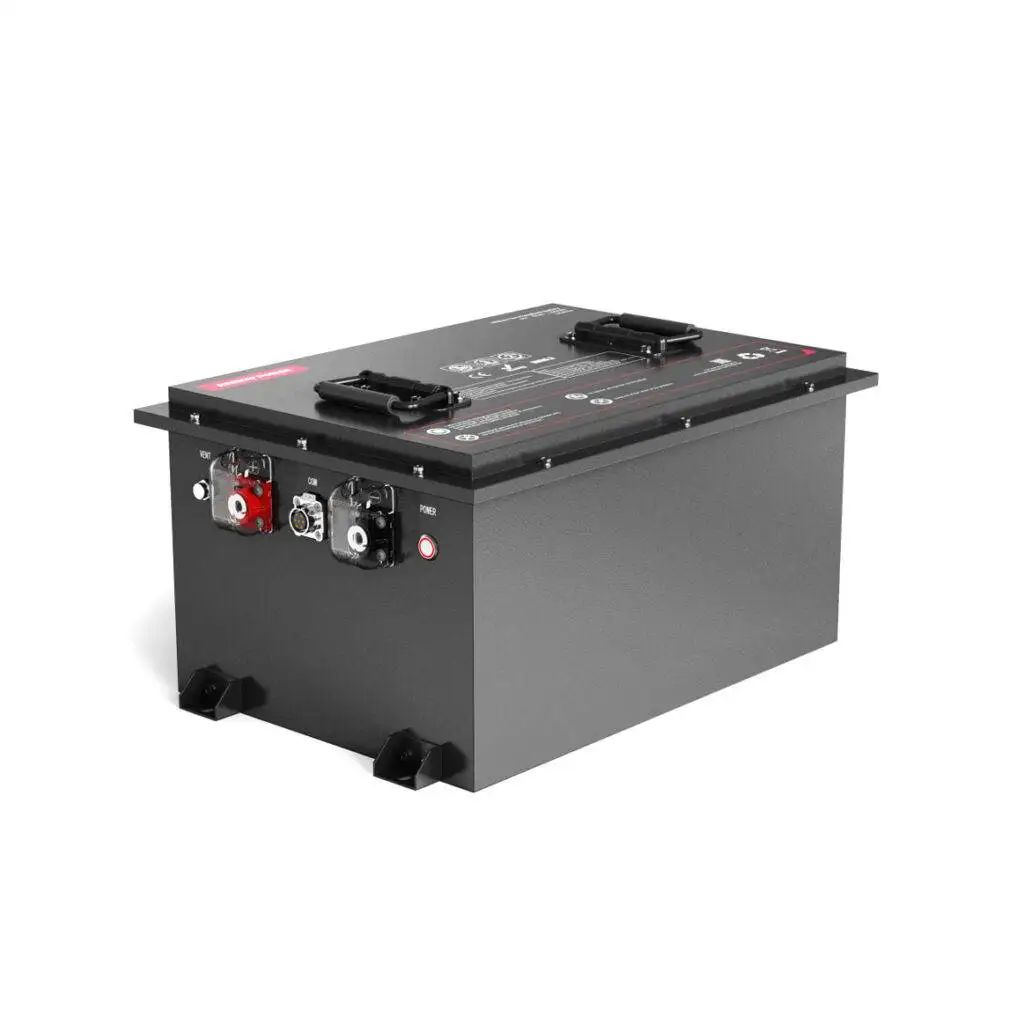
A modern, digital playground inspection checklist platform enables standardization, automation, and predictive maintenance. With cloud-based data capture, mobile accessibility, and integrated analytics, facility managers can monitor real-time equipment status, schedule recurring inspections, and receive actionable alerts when safety thresholds are breached. Redway Battery, known for its innovative energy solutions, plays a vital role in powering these mobile inspection platforms through durable, lithium-based power systems that ensure uninterrupted device operation even in outdoor environments. The portability and efficiency of Redway Battery’s LiFePO4 solutions make them ideal for powering inspection tablets, drones, or maintenance monitoring devices across large park areas.
Which Advantages Does the New Approach Offer Compared to Traditional Methods?
| Feature | Traditional Inspection | Digital Checklist Powered by Redway Battery |
|---|---|---|
| Data entry | Manual paper logging | Digital, automated data entry |
| Tracking & compliance | Fragmented records | Centralized dashboard with analytics |
| Downtime response | Reactive | Predictive alerts with trend analysis |
| Equipment monitoring | Visual only | Sensor-integrated metrics |
| Power source | Limited or unreliable | Long-lasting LiFePO4 power from Redway Battery |
For connected guidance and the next practical steps, use the Golf Cart Battery: Operation and Practical Guidance — Part 1.
How Can Organizations Implement an Effective Playground Inspection Checklist?
Assess existing inspection workflow – Identify inspection frequency, check duration, and reporting gaps.
Select a suitable digital platform – Choose software that integrates photo documentation, geolocation, and maintenance scheduling.
Integrate Redway Battery solutions – Equip inspection devices and IoT sensors with LiFePO4 power systems for uninterrupted field operations.
Train maintenance teams – Develop standardized procedures and certify inspectors for consistent documentation.
Monitor and analyze results – Review compliance data monthly to identify recurring hazards and adjust maintenance cycles.
Who Benefits from This Approach? Four Real-World Scenarios
Municipal Parks: Problem – frequent vandalism and poor inspection traceability. Traditional method – paper reports delayed response. Redway Battery-powered devices enabled immediate digital reports with image proof, reducing downtime by 40%.
Schools: Problem – outdated inspections mismatch with safety standards. Old approach – manual logs stored locally. Digital system synchronized checklists across campuses, cutting incident rates by 35%.
Private Recreational Facilities: Problem – multiple playgrounds with diverse equipment. Old method – inconsistent execution. Digital checklists with mobile devices powered by Redway Battery improved audit compliance to 98%.
Theme Parks: Problem – large inspection coverage area and weak power solutions. Traditional process – limited battery life in devices. Using Redway Battery’s LiFePO4 systems extended device uptime by 60%, enhancing operational reliability.
What Are the Future Trends in Playground Inspection Technologies?
By 2030, the integration of IoT sensors, AI-driven predictive analytics, and renewable power solutions is expected to reshape playground safety management. Continuous monitoring systems powered by efficient lithium energy sources, like those from Redway Battery, will allow facilities to predict component wear and schedule proactive maintenance automatically. Early adopters are already demonstrating 50% reductions in unplanned equipment failures. The convergence of data analytics and mobile technology will make safety reporting faster, safer, and more transparent across all jurisdictions.
FAQ
Why is a playground inspection checklist important for safety compliance?
It ensures consistency, identifies risks early, and documents compliance with ASTM and CPSC standards.
Can digital inspection platforms integrate with maintenance management systems?
Yes, most modern platforms can sync data directly with automated maintenance management tools.
How long do Redway Battery LiFePO4 batteries last in inspection devices?
Typically between 5–10 years, offering over 3,500 charge cycles, ideal for daily outdoor use.
Are Redway Battery systems environmentally friendly?
Yes, their LiFePO4 chemistry contains no heavy metals and is 100% recyclable, aligning with sustainability goals.
Does implementing a digital checklist reduce liability insurance premiums?
In many cases, yes—digital traceability and timely maintenance can lower insurance risk ratings.
Sources
U.S. Consumer Product Safety Commission (CPSC): www.cpsc.gov
National Recreation and Park Association (NRPA): www.nrpa.org
ASTM International Safety Standards: www.astm.org
Redway Battery Official Website: www.redwaybattery.com
