




REDWAY BATTERY / KNOWLEDGE
How Can a Lightweight Lithium Golf Cart Battery Improve Energy Efficiency and Performance?
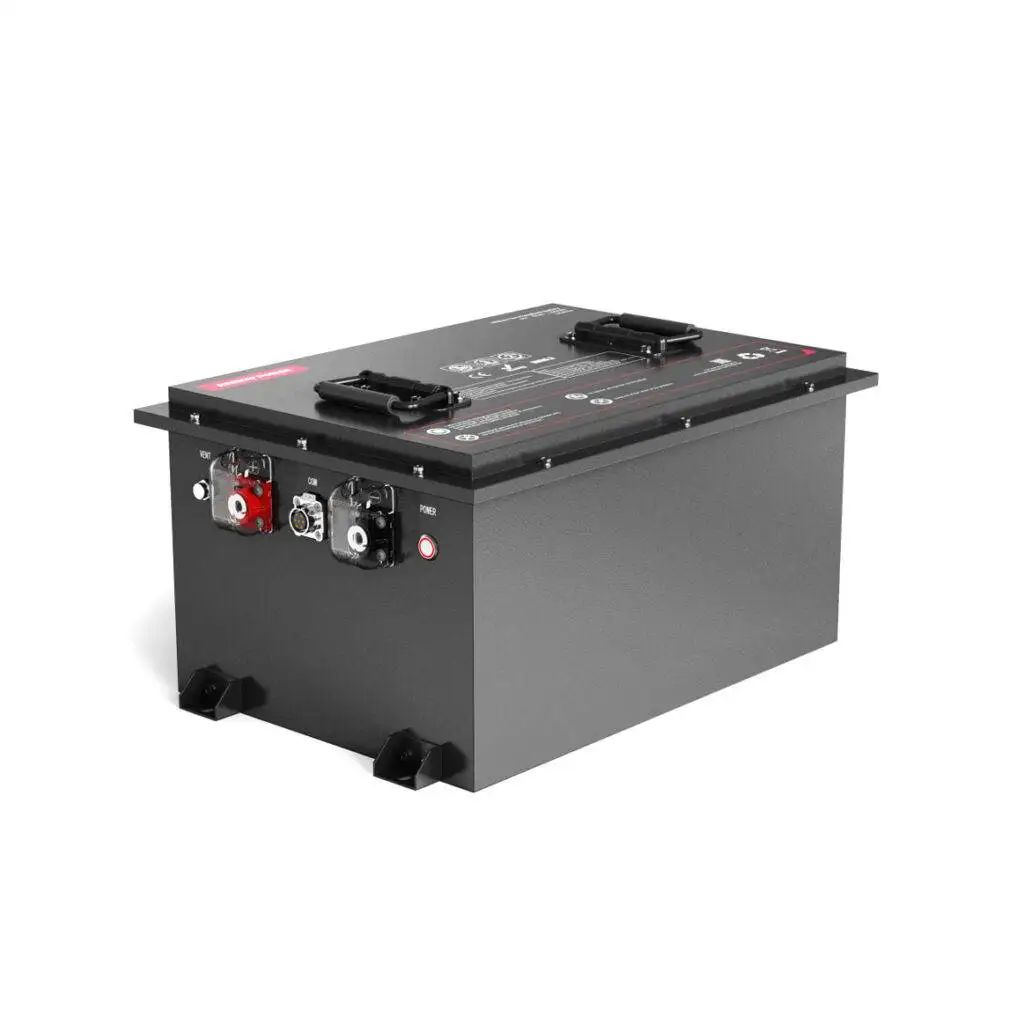
A lightweight lithium golf cart battery delivers longer range, faster charging, and improved lifespan for modern electric golf carts, solving the inefficiencies of traditional lead-acid systems and reducing operational costs for personal and commercial users.
What Is the Current State of the Golf Cart Battery Industry and Its Key Challenges?
According to a 2025 report by Markets and Markets, the global golf cart battery market is projected to reach USD 265 million by 2030, growing at a CAGR of 6.8%. Yet, over 60% of carts worldwide still rely on lead-acid batteries, which are heavy, slow to charge, and require frequent maintenance.
The shift toward sustainable and high-performance energy systems has made fleet owners and private golf clubs reconsider their energy sources. With increasing fuel costs and environmental regulations, the need for lighter, more efficient batteries is urgent.
Statistics from the International Energy Agency show that battery-powered vehicles—including electric golf carts—produce 40% fewer lifecycle emissions than gas-powered alternatives. However, energy efficiency remains constrained by outdated battery technologies that fail to meet the performance demand of modern golf courses and resorts.
Why Do Traditional Lead-Acid Batteries Fall Short?
Lead-acid batteries are inexpensive initially, but their total cost of ownership is high. They are bulky, require ventilation, frequent water refills, and have an average cycle life of only 300–500 cycles—significantly lower than lithium alternatives.
Moreover, their low depth of discharge (typically 50–60%) limits real-world range, forcing operators to recharge more often and carry heavier loads. Temperature sensitivity further degrades performance, especially in hotter climates where battery lifespan drops notably.
For fleets operating multiple carts, this inefficiency translates into higher maintenance labor, reduced uptime, and slower daily throughput—pain points that the industry is eager to address.
How Does Redway Battery’s Lithium Solution Solve These Issues?
Redway Battery’s lightweight lithium golf cart batteries use advanced LiFePO4 chemistry, offering over 4,000 charge cycles, 96% round-trip energy efficiency, and a 60% weight reduction compared to traditional systems.
Each battery integrates a smart Battery Management System (BMS), providing real-time monitoring, temperature protection, and automatic balancing for longer usable life. The design supports both 36V and 48V configurations, adaptable to leading golf cart brands.
Redway Battery’s engineering expertise—rooted in 13 years of manufacturing excellence and ISO 9001:2015 certification—ensures every battery pack is precision-built and fully customizable for OEM applications.
What Are the Advantages Compared to Traditional Systems?
| Feature | Traditional Lead-Acid | Redway Lithium (LiFePO4) |
|---|---|---|
| Weight | Heavy (up to 250 kg) | Lightweight (up to 60% less) |
| Cycle Life | 300–500 cycles | 4,000+ cycles |
| Depth of Discharge | 50–60% | Up to 100% |
| Maintenance | Frequent (water top-up) | Maintenance-free |
| Charging Time | 8–10 hours | 2–3 hours |
| Energy Efficiency | 75–80% | 96% |
| Environmental Impact | Lead contamination risk | Non-toxic chemistry |
| Total Cost of Ownership | High | 30–40% lower over 5 years |
For the surrounding sizing, selection, installation and maintenance decisions, continue with the Lithium Golf Cart Battery: What Changes, What It Costs, What Breaks.
How Can Users Implement This Solution Effectively?
Assessment and Planning: Evaluate vehicle model, load profile, and daily usage.
Customization: Work with Redway Battery engineers to design a battery pack that fits voltage, capacity, and size needs.
Installation: Replace lead-acid units with plug-compatible Redway lithium batteries, ensuring secure electrical connections.
System Integration: Update charger settings for lithium compatibility.
Monitoring and Maintenance: Use the integrated BMS or optional Bluetooth module for ongoing health tracking and diagnostics.
Which Use Cases Highlight Real-World Impact?
Case 1: Golf Course Fleet Management
Problem: Heavy batteries reduced range and increased downtime.
Traditional Approach: Routine swapping and water refills caused daily delays.
Result with Redway Battery: 60% less weight, 45% longer range, fleet uptime improved by 30%.
Key Benefit: Simplified operations and reduced energy costs.
Case 2: Resort Transportation
Problem: Lead-acid batteries failed during peak summer seasons.
Traditional Approach: Frequent replacements and heat-related failures.
Result with Redway Battery: Stable operation up to 55°C, extending service life by 3 years.
Key Benefit: Maintenance-free operation and predictable energy cost management.
Case 3: Industrial Logistics Carts
Problem: Limited shift runtime in warehouses with multiple stops.
Traditional Approach: Midday recharges caused downtime.
Result with Redway Battery: Continuous operation for two shifts per charge.
Key Benefit: Labor cost reduction and improved productivity.
Case 4: Personal Sports Golf Carts
Problem: Weight and charging speed frustrated private owners.
Traditional Approach: Twelve-hour charging for a single day of use.
Result with Redway Battery: 2.5-hour full recharge and 36-hole runtime.
Key Benefit: User convenience and excellent return on investment.
Why Is Now the Best Time to Upgrade?
Battery chemistry innovation and falling lithium prices make 2026 the ideal year for transition. As more golf courses commit to sustainability, adopting lithium not only cuts carbon emissions but enhances every layer of operational performance.
Redway Battery remains a technological leader in this shift, supporting customers through full OEM/ODM customization, automated MES-controlled production, and responsive global service. Upgrading now positions golf operations ahead of competitors before regulatory and market shifts accelerate further.
FAQ
What makes lithium batteries more energy-efficient?
Because lithium batteries offer higher round-trip efficiency (up to 96%), less energy is lost during both charge and discharge cycles.
Can Redway Battery lithium packs be installed in any golf cart?
Yes. They are designed as plug-and-play systems compatible with most 36V and 48V models.
Are lithium batteries safe in wet environments?
Redway Battery uses LiFePO4 chemistry, known for its thermal and chemical stability, with waterproof casings (IP65 and above).
How long do Redway lithium golf cart batteries last?
They typically last over 4,000 cycles—about 8–10 years of use under regular operating conditions.
Does switching to lithium reduce long-term costs?
Yes. Total cost of ownership can drop by 30–40% thanks to longer lifespan, higher efficiency, and zero maintenance requirements.
Sources
Markets and Markets – Golf Cart Battery Market Forecast 2025
International Energy Agency – Global EV and Battery Efficiency Report 2024
Redway Battery Official Technical Whitepaper 2025
U.S. Department of Energy – Battery Chemistry Comparison Study 2024
Global Golf Cart Fleet Electrification Benchmark Report 2025
