




REDWAY BATTERY / KNOWLEDGE
How Much Does Playground Equipment for Schools Cost and How Can Smart Energy Solutions Reduce It?
High-quality playground equipment for schools represents a vital investment in student health, learning, and community engagement. Understanding its cost structure—and how innovative energy solutions like those from Redway Battery can optimize total expenses—helps schools make data-driven purchasing decisions that balance quality, safety, and sustainability.
How Is the Current Market for School Playground Equipment Shaping Spending Decisions?
According to the U.S. Bureau of Economic Analysis, the educational construction and equipment market reached over $107 billion in 2025, with playground expenditures alone increasing by 8% annually since 2022. Schools face mounting costs due to stricter safety standards, supply chain delays, and the inclusion of inclusive play features for children of all abilities. The National Recreation and Park Association (NRPA) reports that the average modern playground installation for schools now ranges between $100,000–$250,000, depending on size, materials, and customizations.
At the same time, maintenance and operating costs have surged, particularly for electrically powered equipment such as lighting, interactive panels, and digital play systems. Many schools face energy bills 20–30% higher than pre-2020 levels. These trends highlight the need for more efficient energy storage and consumption strategies that can reduce long-term costs without compromising student experience or safety.
What Are the Main Pain Points Schools Face When Procuring Playground Equipment?
Budget Limitations: Public schools often rely on grants or district-level funding approvals, limiting the ability to invest in long-lasting and sustainable equipment.
Maintenance Overload: High repair and maintenance costs—sometimes 10% of initial purchase annually—strain budgets.
Energy Inefficiency: Powering electric play systems or security lighting without energy storage leads to peak-hour electricity expenses.
Environmental Concerns: Stakeholders increasingly expect sustainable solutions aligned with green campus initiatives.
Why Are Traditional Playground Solutions Falling Short?
Traditional playground equipment relies heavily on basic metal or plastic structures, often with minimal integration of sustainable materials or energy-efficient systems. Maintenance costs rise quickly as wear-and-tear and weather exposure shorten lifespan. Furthermore, most traditional installations are energy-intensive when expanded to include interactive or lighting systems powered exclusively by the grid. Without energy storage or smart monitoring, schools typically overspend on predictable power needs.
In addition, schools that purchase non-customized or low-quality imported equipment often encounter regulatory compliance issues or safety gaps requiring costly retrofits. These inefficiencies extend project timelines and consume budgets meant for broader educational programs.
How Does Redway Battery Provide a Smarter, Cost-Saving Playground Power Solution?
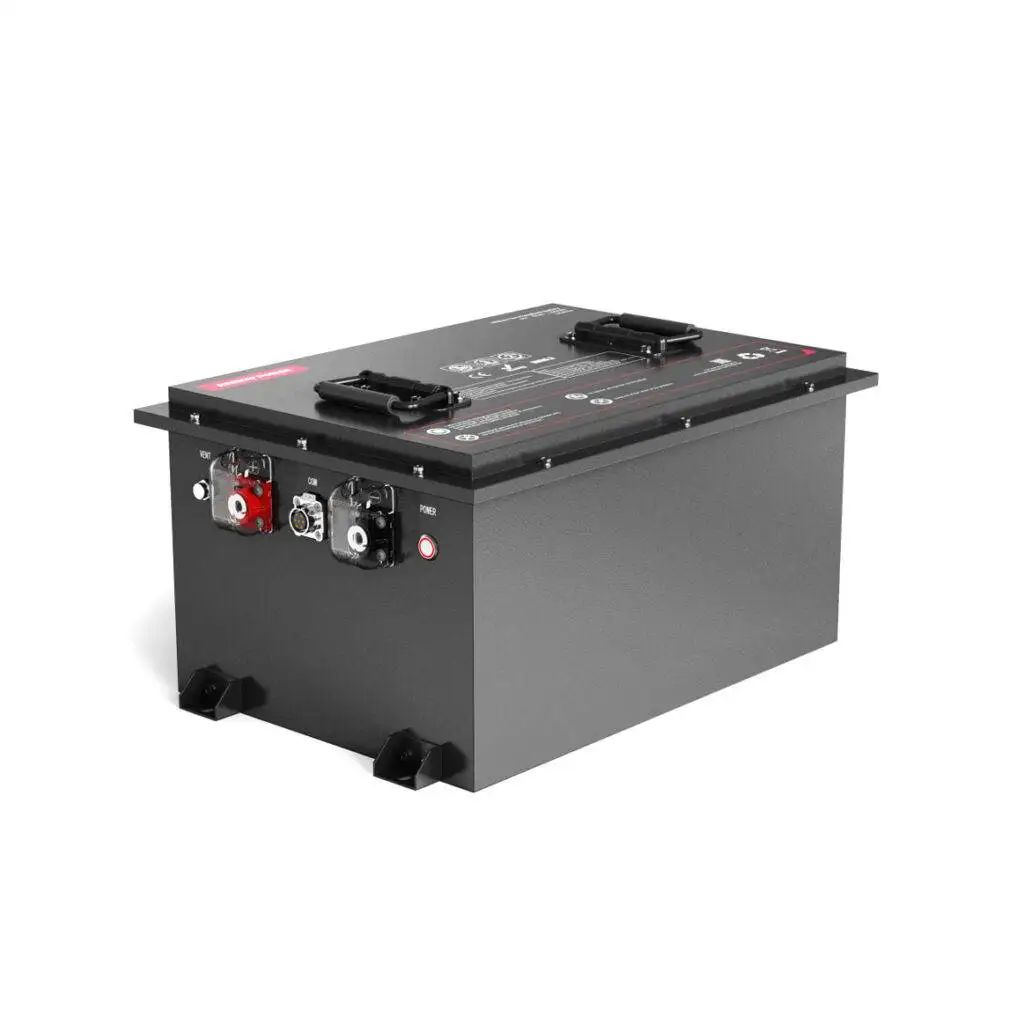
Redway Battery integrates LiFePO4 (lithium iron phosphate) energy storage into school playground infrastructure to enable renewable power use for lighting, security, smart play modules, and maintenance tools. By pairing solar panels with Redway’s advanced OEM lithium battery systems, schools can reduce reliance on grid electricity by up to 60%, significantly lowering total ownership costs.
With over 13 years of manufacturing experience and ISO 9001:2015 certification, Redway Battery ensures high safety, long lifespan, and customizable energy capacities. The company’s batteries are designed for both stationary and mobile applications, helping schools run off-grid lighting, emergency systems, and even e-mobility carts that service larger campuses.
What Are the Key Advantages Compared to Traditional Systems?
| Aspect | Traditional Systems | With Redway Battery Integration |
|---|---|---|
| Energy Source | 100% grid electricity | Hybrid solar + Redway LiFePO4 battery storage |
| Long-Term Cost Efficiency | High maintenance and energy bills | Reduces operating costs by 40–60% |
| Environmental Impact | Carbon-intensive | Supports school carbon neutrality goals |
| System Lifespan | 5–8 years average | 10–15 years average battery lifespan |
| Safety & Reliability | Manual monitoring | Automated MES and BMS systems for stable performance |
This topic belongs to the wider Golf Cart Battery: Operation and Practical Guidance — Part 1, which brings the related decisions and practical checks together.
How Can Schools Implement This Solution Successfully?
Assessment – Conduct an audit of playground facilities to estimate energy use.
Design – Customize the battery system capacity using Redway Battery’s OEM engineering support.
Integration – Combine solar modules with Redway LiFePO4 batteries for lighting or sensor modules.
Testing & Certification – Ensure compliance with local education and safety standards.
Operation & Monitoring – Use Redway’s remote diagnostics to maintain performance and efficiency.
Which Real-World Scenarios Show the Impact of Redway Battery in Playground Projects?
Case 1 – Urban Public School, California
Problem: High grid electricity usage for playground lights.
Traditional Solution: Manual lighting timers connected directly to the grid.
After Redway: Installed solar-powered lights with Redway LiFePO4 batteries, cutting electricity costs by 55%.
Key Benefit: Sustainable lighting and improved nighttime safety.
Case 2 – Rural Primary School, Texas
Problem: Inconsistent power supply interrupted access to digital play systems.
Traditional Solution: Diesel generator backup.
After Redway: Off-grid battery system provided stable power for 12 hours after sundown.
Key Benefit: Zero generator noise and reduced emissions.
Case 3 – Charter School, Florida
Problem: Limited maintenance resources.
Traditional Solution: Frequent replacement of corroded electrical components.
After Redway: Long-life LiFePO4 batteries reduced servicing frequency by 70%.
Key Benefit: Lower operational overheads.
Case 4 – University Campus Playground, Washington
Problem: Energy-hungry surveillance and safety lighting system.
Traditional Solution: Continuous grid draw at peak energy rates.
After Redway: Smart lighting powered by Redway energy storage units.
Key Benefit: $6,000 annual savings and improved sustainability reporting.
What Future Trends Are Emerging in School Playground Infrastructure?
By 2030, over 60% of school playground projects are expected to incorporate smart infrastructure and renewable energy systems. Energy storage plays a crucial role in supporting safe, cost-efficient, and sustainable recreation. Redway Battery’s R&D in modular, recyclable LiFePO4 systems aligns with these global trends, helping educational institutions transition from traditional energy dependency to self-sufficient ecosystems.
With school budgets tightening and sustainability mandates expanding, adopting energy-efficient, battery-powered infrastructures is no longer optional—it’s a financially and socially responsible choice. Redway Battery stands as a leading partner in delivering this transformation.
FAQ
1. How much does a typical school playground cost?
Most range between $100,000 and $250,000, influenced by size, materials, and design complexity.
2. Can Redway Battery systems reduce overall playground costs?
Yes. They cut electricity and maintenance costs by up to 60% through efficient energy storage.
3. Are LiFePO4 batteries safe for school environments?
Absolutely. Redway’s batteries meet international safety certifications, featuring thermal and overcharge protection.
4. How long do Redway Battery systems typically last?
Their service life is 10–15 years depending on configuration and operating conditions.
5. Can existing playgrounds retrofit with Redway systems?
Yes, Redway offers modular designs compatible with most lighting and digital systems.
Sources
U.S. Bureau of Economic Analysis – National Income and Product Accounts
National Recreation and Park Association – Annual Equipment Cost Report
IEA Renewables Market Update 2025
ENERGY STAR – School Energy Benchmarking Report
Redway Battery OEM Solutions Page
