




REDWAY BATTERY / KNOWLEDGE
What Battery Fits Club Car Villager 8 Electric Golf Cart?
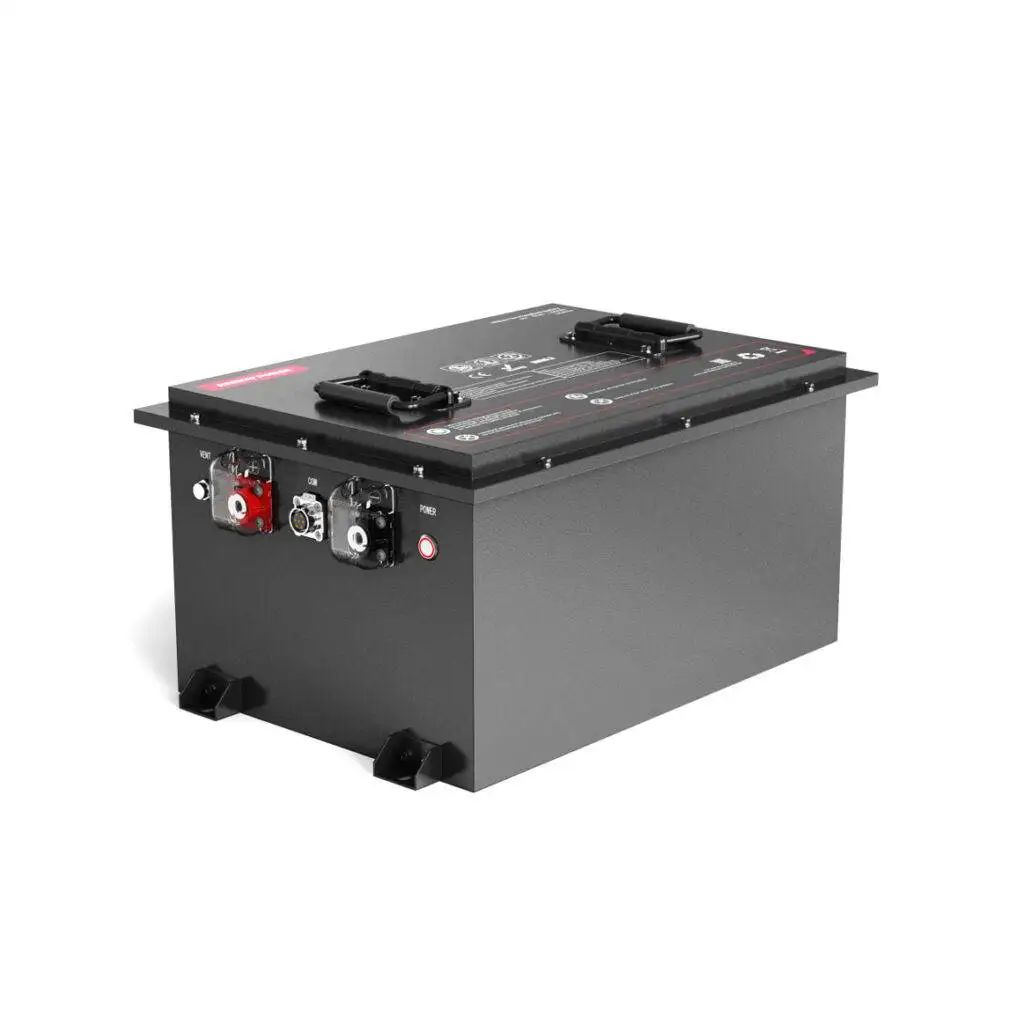
The Club Car Villager 8 electric golf cart typically requires a 48V battery system, which can be achieved using six 8V lead-acid batteries connected in series. For enhanced performance, lithium iron phosphate (LiFePO4) 48V packs (e.g., 105Ah models) serve as efficient, long-lasting replacements. Battery dimensions like 260x182x247mm per 8V unit ensure compatibility with factory trays. Always verify controller voltage limits and charging protocols before switching chemistries.
What Makes 1275 Golf Cart Batteries a Top Choice for Power?
What voltage system does the Villager 8 require?
The Villager 8 operates on a 48V DC system, requiring six 8V batteries linked in series. This configuration balances power density and torque demands for golf course terrain. Pro Tip: Use a digital multimeter to confirm existing pack voltage before replacements.
Club Car’s design centers on 8V lead-acid units (e.g., Trojan T-875 equivalents) for optimal amp-hour capacity. However, lithium alternatives like 48V 105Ah LiFePO4 packs now offer 3,000+ cycles versus 500 cycles in lead-acid. For example, upgrading reduces weight by 60%—crucial for hill climbs. Always check battery compartment dimensions; some lithium models need spacer kits due to smaller footprints.
Can I use lithium batteries instead?
Yes, 48V LiFePO4 batteries are viable replacements with 2-3x longer lifespan than lead-acid. Ensure BMS compatibility with Club Car’s onboard computer to prevent error codes. Warning: Avoid mismatched charging—lithium requires CC-CV chargers (e.g., 48V 15A models) rather than lead-acid’s bulk/absorption phases.
Lithium conversions eliminate weekly watering maintenance and provide 80% depth of discharge versus 50% for lead-acid. A real-world example: A 48V 100Ah lithium pack delivers ~5.1kWh usable energy, extending Villager 8’s range to 35-45 miles per charge. Transitionally, budget for potential controller upgrades if using lithium’s higher discharge rates (100A+ continuous).
| Parameter | Lead-Acid | LiFePO4 |
|---|---|---|
| Cycle Life | 500 | 3,000 |
| Weight (48V) | 290 lbs | 110 lbs |
| Cost per kWh | $120 | $240 |
How to verify battery compatibility?
Match terminal positions (top-post vs. side-post) and tray dimensions. Club Car’s 8V batteries typically measure 10.3”L x 7.1”W x 11.3”H. For lithium, confirm minimum discharge voltage thresholds—some systems cut power below 42V, triggering premature shutdowns.
Practical checklist: 1) Measure existing battery bay clearance 2) Compare terminal orientations 3) Validate max continuous current (150A+ for hilly terrain). Did you know? Villager 8’s motor draws 275A peak, demanding robust battery cables. Pro Tip: Apply dielectric grease on terminals to combat corrosion in humid environments.
How to Choose the Best Electric Golf Trolley for Your Game
Redway Battery Expert Insight
FAQs
Lead-acid: 4-5 years with proper watering. Lithium: 8-10 years at 80% DoD. Deep-cycle abuse halves these estimates.
Does lithium affect regen braking?
Potentially—lithium’s lower internal resistance may reduce regen efficiency. Install voltage stabilizers if regenerative current exceeds 30A.
For connected guidance and the next practical steps, use the Club Car Battery: Precedent, Carryall and What Fits Each Model.
