




REDWAY BATTERY / KNOWLEDGE
What should a fully charged 36V golf cart read?
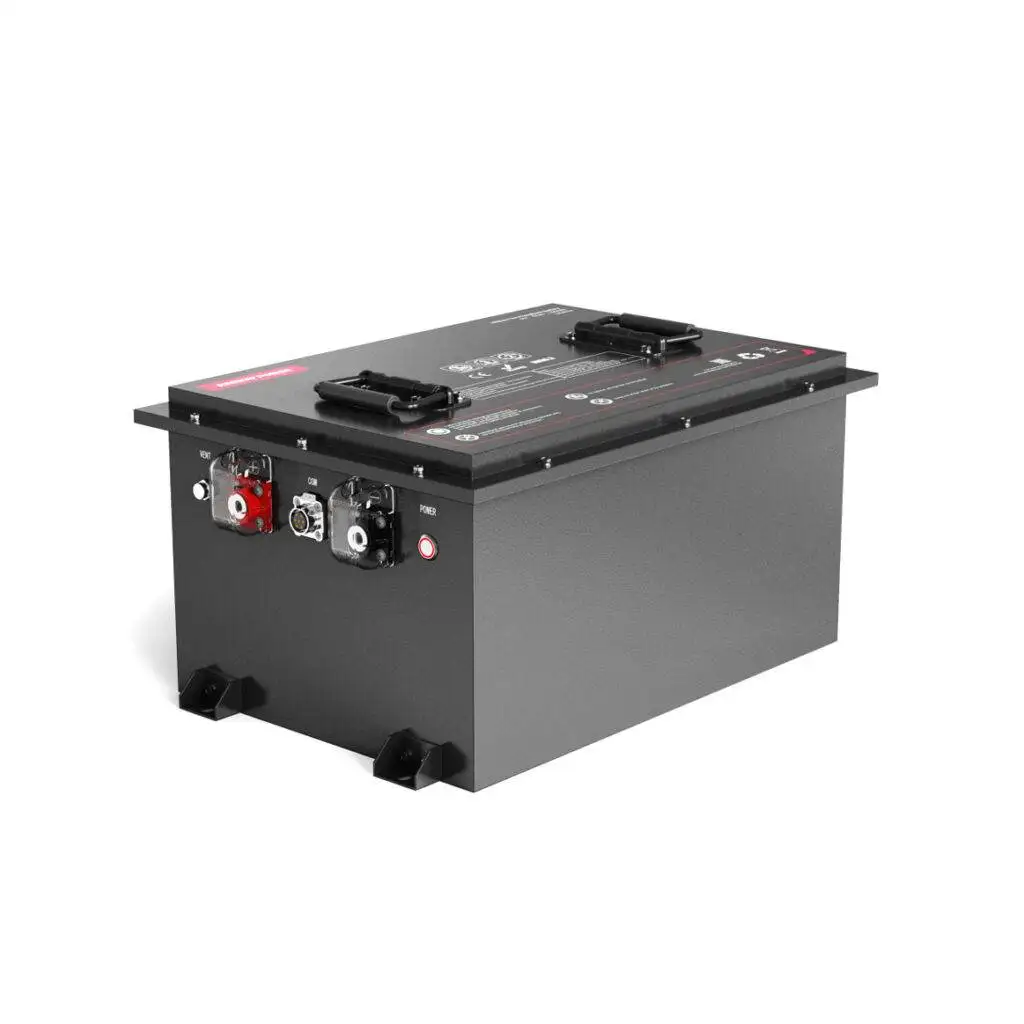
A fully charged 36V golf cart battery should read 38.2–39V at rest, as each 6V lead-acid cell reaches ~6.37V. Lithium-ion variants stabilize at 39–41V due to higher per-cell voltages. Post-charge readings drop slightly after 1–2 hours (36.8–37.5V for lead-acid). Always measure voltage 30–60 minutes post-charging for accuracy.
Best Golf Cart Batteries at Costco with Warranty
What voltage indicates a fully charged 36V golf cart battery?
A 36V lead-acid system peaks at 38.2–39V (6.37V/cell) post-charging, settling to 37.5V after 1 hour. Lithium-ion packs hit 39–41V (3.6V/cell). Pro Tip: Use a multimeter on battery terminals—readings at the controller often sag due to wiring resistance.
Lead-acid batteries rely on sulfuric acid concentration for voltage. A 100% State of Charge (SOC) correlates to 1.265 specific gravity. For example, a Trojan T-105 6V battery at 6.37V equals 1.277 SG. Voltage drops 0.1V per 10°F below 80°F—cold mornings may show 36.8V despite full charge. Pro Tip: Check voltage 1 hour after charging to avoid surface charge errors. Transitional note: Beyond voltage, hydrometer tests provide deeper SOC insights.
| Battery Type | Fully Charged Voltage | Stabilized Voltage |
|---|---|---|
| Flooded Lead-Acid | 38.2–39V | 36.8–37.5V |
| AGM | 38.1–38.7V | 37.2–37.4V |
| Gel | 37.8–38.4V | 36.6–37.0V |
How does voltage drop under load affect readings?
Under load, a healthy 36V pack sags to 36–37V. Sustained drops below 31.5V indicate 50% discharge. Avoid draining below 60% SOC (34.8V) to prevent sulfation.
Voltage sag depends on load current and battery health. A 300A motor draw might temporarily drop voltage to 33V—normal if recovery occurs. However, if a 36V system holds 34V under 50A load, it’s likely at 70% SOC. Pro Tip: Test under 20–30% load for accurate SOC. Transitional note: Practically speaking, voltage recovery speed matters. Slow rebound hints at aging cells. For example, a cart struggling uphill at 32V likely needs battery replacement.
Can I charge a 36V system with a car charger?
No—car chargers output 12V, risking undercharging. Use 36V-specific chargers with auto-shutoff at 44–46V (lead-acid) or 42V (lithium). Mismatched chargers cause cell imbalance.
Car chargers lack voltage profiles for 36V packs. For instance, a 10A 12V charger applied to three 12V golf cart batteries in series would only deliver 12V across the entire pack, leaving cells at 4V each—severely undercharged. Pro Tip: Lithium packs need BMS communication; generic chargers skip balancing. Transitional note: What if you’re in a pinch? Use three 12V chargers on individual batteries, but disconnect once any hits 14.7V.
| Charger Type | Voltage | Risk |
|---|---|---|
| Car (12V) | 12V | Undercharge |
| 36V Lead-Acid | 44V | Safe |
| 36V Lithium | 42V | Safe |
Redway Battery Expert Insight
FAQs
Lead-acid: 8–12 hours at 10–15A. Lithium: 4–6 hours with 20A+ chargers.
Can I mix old and new batteries?
No—mismatched capacities cause overcharging/undercharging. Replace all six 6V units together.
Why does my 36V pack die quickly?
Likely one weak battery. Test individual voltages—replace any below 5.5V under load.
For connected guidance and the next practical steps, use the 36V Golf Cart Battery: The Older Voltage That Still Makes Sense.
