




REDWAY BATTERY / KNOWLEDGE
How to Choose the Best Forklift Charger Stand for Safety, Efficiency, and LiFePO4 Battery Compatibility?
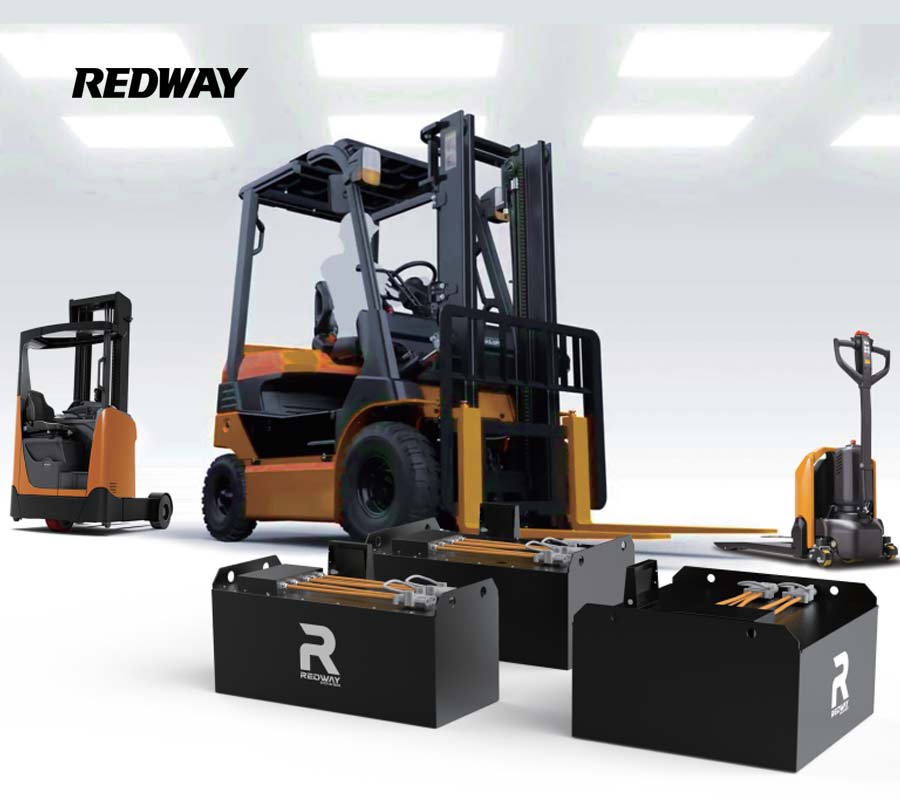
A forklift charger stand keeps chargers off the floor, organizing battery rooms, enhancing safety, and improving efficiency in busy warehouses. Redway Battery, a trusted OEM lithium battery manufacturer, provides durable, customizable stands paired with LiFePO4 forklift batteries. These solutions reduce downtime, support heavy-duty use, and ensure compliance with safety standards, offering a reliable choice for global B2B operations.
What Is a Forklift Charger Stand?
A forklift charger stand is a robust steel structure designed to elevate and secure battery chargers. By keeping chargers off the floor, it prevents obstruction in traffic paths, organizes charging zones, and allows easy maintenance access. These stands withstand heavy weights—up to 1,200 pounds—and feature customizable shelves and anchoring slots to fit different charger sizes. Redway Battery integrates these stands with LiFePO4 batteries for optimized warehouse performance.
| Type | Capacity | Key Features | Ideal Use |
|---|---|---|---|
| Single Tier | 800 lbs | Flat shelves, anchoring slots | Small battery rooms |
| Multi-Tier | 1,200 lbs+ | Vertical stacking, space-saving | High-volume charging |
| Universal | 300 lbs per shelf | Modular, back-to-back mount | Flexible setups |
| Mobile | Varies | Wheels, clamps | Frequent battery swaps |
This topic belongs to the wider Forklift Battery: Brands, Models and Fitment — Part 3, which brings the related decisions and practical checks together.
Why Use a Forklift Charger Stand?
Charger stands enhance safety by elevating batteries, preventing floor hazards, and protecting equipment from damage. They improve warehouse efficiency by organizing cables and reducing downtime. High-quality stands also extend charger life and ensure compliance with safety standards. Sourcing from China manufacturers like Redway Battery provides cost-effective, customizable options that meet long-term operational needs.
What Types of Charger Stands Exist?
Common types include single-tier, multi-tier, universal modular, and mobile stands. Single-tier stands support basic setups with 800-pound capacity, while multi-tier units maximize vertical space for high-volume operations. Universal stands adjust to different charger models, and mobile versions with casters allow easy relocation. Choosing the right type depends on fleet size, room layout, and operational requirements.
How to Choose the Right Charger Stand?
When selecting a charger stand, consider charger weight, room dimensions, battery type, and safety features. Ensure the stand supports your LiFePO4 battery packs and provides proper ventilation. Prioritize steel construction with powder coatings, cable management systems, and corrosion resistance. Redway Battery’s OEM solutions offer tailored sizes for brands like Toyota or Hyster, ensuring compatibility and long-term reliability.
How to Install a Forklift Charger Stand?
Install the stand on a level, acid-resistant surface in a well-ventilated area. Anchor it securely using pre-cut slots and bolts, starting with rear braces. Attach chargers and integrate cable management solutions to prevent hazards. Professional installation ensures OSHA compliance and operational safety. Redway Battery provides detailed installation guides and B2B support for optimized setup.
What Safety Features Are Essential?
Key safety features include rounded corners, cable management, ventilation slots, acid-resistant coatings, emergency shutoffs, and spark-proof rollers. Proper grounding and spill containment reduce workplace hazards. Redway Battery ensures its stands meet CE and ISO standards, providing durable, safe solutions suitable for high-demand industrial environments.
Why Choose China Manufacturers for Stands?
China-based OEM factories offer cost-effective, customizable stands with advanced production systems, including MES automation. They deliver high-volume orders at competitive prices. Shenzhen suppliers, including Redway Battery, combine over 13 years of experience, ISO 9001 certification, and global shipping capabilities. Redway Battery customizes stands to fit LiFePO4 batteries, providing reliable B2B solutions for forklift operations.
Redway Expert Views
“Redway Battery focuses on delivering integrated solutions for forklift operations. Our charger stands, paired with LiFePO4 batteries, enhance efficiency and extend equipment life. Custom OEM designs from our 100,000 ft² factories ensure precise fit for every fleet, supported by automated production lines for consistent quality. This approach minimizes downtime and maximizes ROI for global suppliers and wholesalers.” – Redway Battery Engineering Lead
Where to Source Wholesale Charger Stands?
Wholesale charger stands can be sourced from verified China suppliers through direct factory contacts or B2B platforms. Prioritize ISO-certified manufacturers to ensure quality and durability. Redway Battery provides scalable, customizable solutions, producing stands suitable for forklifts, RVs, telecom, and solar applications. Clients benefit from fast delivery, 24/7 after-sales support, and reliable OEM designs.
Key Takeaways
Forklift charger stands enhance warehouse safety, organization, and efficiency. Choosing heavy-duty, customizable models from China OEM factories like Redway Battery ensures compatibility with LiFePO4 batteries and long-term reliability. Proper installation, maintenance, and professional sourcing reduce downtime and improve operational productivity.
Actionable Advice: Evaluate your battery room layout, select multi-tier or universal stands for space efficiency, and consult Redway Battery for wholesale OEM solutions to upgrade your charging infrastructure.
FAQs
What materials make durable charger stands?
Heavy-duty steel with powder coating ensures corrosion resistance and supports 800–1,200 lbs.
Are charger stands compatible with lithium batteries?
Yes, Redway Battery designs adjustable stands to fit LiFePO4 packs securely.
How much do forklift charger stands cost wholesale?
China OEM prices typically start at $400 per unit, varying by type and customization.
Can stands support opportunity charging?
Yes, vertical and universal models accommodate point-of-use charging for active warehouses.
Do stands require special flooring?
Level, acid-resistant floors are recommended for stability, with proper anchoring for safety.
