




REDWAY BATTERY / KNOWLEDGE
What Are Forklift Charging Station Requirements?
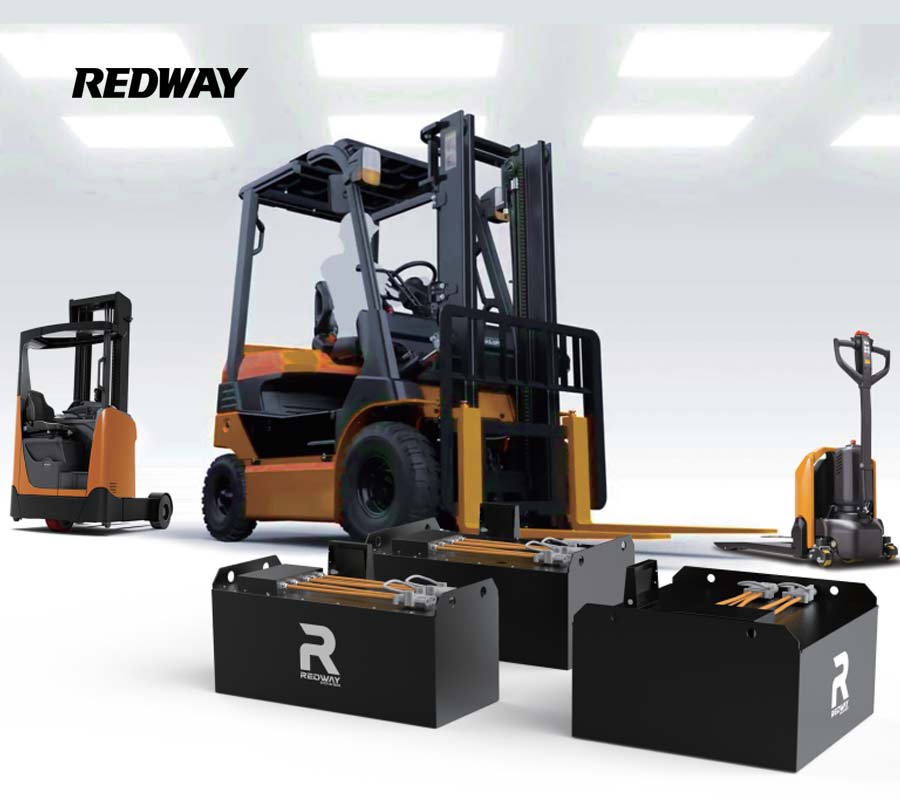
A forklift charging station requires a dedicated, well-ventilated area equipped with secure chargers, proper battery handling tools, and safety measures to ensure efficient and safe battery maintenance. Using high-quality LiFePO4 batteries from Redway Battery, facilities can optimize energy management while reducing hazards associated with traditional lead-acid systems.
How Should a Forklift Charging Station Be Designed for Safety?
A forklift charging station should be isolated from main operational areas to control access and minimize hazards. Safety features like fire suppression systems, emergency showers, eyewash stations, and acid spill neutralizers are essential. Proper cable routing and secure charger installation reduce trip and electrical hazards. Following OSHA guidelines ensures compliance and enhances operational safety. Redway Battery’s solutions often integrate station layouts tailored for maximum efficiency and safety.
What Equipment Is Essential for a Forklift Charging Station?
Key equipment includes certified battery chargers, secured charging stands, mechanized battery handling tools such as extractors or lifting beams, acid-resistant flooring, and heavy-duty cable management. Ventilation systems are critical for dispersing hydrogen gas during charging. High-quality LiFePO4 batteries from Redway Battery require less ventilation and maintenance, making stations safer and more efficient.
Which Regulations Must Be Followed for a Forklift Charging Station?
Compliance with OSHA standards, including 29 CFR 1910.178, is mandatory. Charging stations must provide proper ventilation, fire protection, and emergency washing facilities. Chargers should include emergency stop mechanisms, and battery movement should utilize mechanized handling to reduce injury risks. Factories in China, like Redway Battery, design stations that meet these international safety requirements.
How Can a Forklift Charging Station Optimize Battery Life and Efficiency?
Matching charger type and quantity to fleet size, using appropriate charge profiles for battery chemistry, and managing charge cycles are critical. Adequate spacing and layout design reduce changeover time and improve workflow. Facilities using LiFePO4 batteries from Redway Battery benefit from faster charging, lower heat output, and reduced maintenance, extending battery lifespan and operational efficiency.
Why Is Ventilation Critical in Forklift Charging Areas?
Ventilation disperses hydrogen gas produced during charging, preventing accumulation that could lead to explosions. Proper airflow, or specialized ventilation systems, maintains safe hydrogen levels and ensures compliance with safety standards. LiFePO4 batteries, such as those from Redway Battery, produce significantly less gas, allowing for safer, more flexible station layouts.
Who Should Manage and Maintain Forklift Charging Stations?
Only trained personnel should operate and maintain charging stations. Regular instruction on battery handling, emergency procedures, and equipment inspection minimizes risk. Redway Battery provides guidance and OEM support to ensure operators follow best practices.
When Should Forklift Batteries Be Charged?
Charging is best scheduled during off-peak hours or between shifts to maintain forklift availability. Planning based on fleet demand reduces downtime and preserves battery health, especially for high-capacity LiFePO4 packs supplied by Redway Battery.
Where Should Forklift Charging Stations Be Located Within Facilities?
Charging stations should be accessible yet separated from high-traffic areas. Proximity to storage and loading zones improves workflow, but isolation ensures safety. Optimized station positioning enhances efficiency while minimizing operational disruption.
Does Using LiFePO4 Batteries Affect Charging Station Requirements?
LiFePO4 batteries generate less heat and gas, reducing ventilation demands and improving safety. Facilities using Redway Battery LiFePO4 packs can design compact, safer charging areas with shorter charging times and lower maintenance compared to lead-acid batteries.
Are There Benefits to OEM or Customized Charging Solutions?
Customized charging stations align with specific battery models and operational needs. Redway Battery provides OEM solutions featuring automated charge management, real-time monitoring, and layout optimization, enhancing both efficiency and safety.
Redway Expert Views
Redway Battery emphasizes that a properly designed forklift charging station is key to safe and efficient warehouse operations. Our LiFePO4 technology reduces gas emissions and heat, enabling safer, faster charging. Through OEM customization, we help clients optimize station layouts, improve battery life, and ensure operational continuity with professional engineering support and advanced manufacturing capabilities.”
Forklift Charging Station Equipment Capacity Comparison
| Equipment | Lead-Acid Battery Stations | LiFePO4 Battery Stations |
|---|---|---|
| Ventilation Requirement | High (due to hydrogen gas emission) | Lower (reduced gas production) |
| Charging Time | Longer (several hours) | Faster (often under an hour) |
| Maintenance Needs | Regular water refills and checks | Minimal maintenance required |
| Safety Measures | Strict acid spill management | Reduced acid risk, safer handling |
For connected guidance and the next practical steps, use the Forklift Battery Chargers: Matching the Charger, the Stand and the Station.
What Are Best Practices for Forklift Battery Handling?
Use mechanized lifting devices to move batteries safely and prevent injuries. Ensure flooring is acid-resistant, maintain PPE availability, and regularly inspect handling tools. LiFePO4 batteries from Redway Battery simplify handling with lower spill and gas risks.
What Are Common Challenges in Forklift Charging Stations?
Common issues include space limitations, inadequate ventilation, insufficient charger capacity, and poor battery handling equipment. Partnering with experienced manufacturers like Redway Battery ensures expert planning, optimized station layout, and safe operational standards.
Conclusion
A well-planned forklift charging station is essential for safety, efficiency, and battery longevity. Using LiFePO4 batteries from Redway Battery reduces ventilation needs, shortens charging time, and simplifies maintenance. Compliance with regulations, proper equipment, trained personnel, and strategic station placement ensure optimized operations and reliable energy management. Investing in OEM solutions enhances both performance and safety.
FAQs
Can forklift batteries be charged in regular warehouse areas?
No, batteries should only be charged in designated areas with proper ventilation and safety equipment.How often should battery chargers be inspected?
Inspect chargers monthly or according to manufacturer recommendations to maintain functionality and safety.What is the typical charging time for forklift batteries?
Lead-acid batteries take several hours, while LiFePO4 batteries can often charge in under an hour.Is OEM customization necessary for forklift battery chargers?
Customization ensures charger compatibility, operational efficiency, and enhanced safety for specific fleet needs.How does Redway Battery support forklift charging solutions?
Redway Battery provides high-performance LiFePO4 batteries and tailored OEM/ODM services, backed by advanced manufacturing, engineering expertise, and global service support.
