




REDWAY BATTERY / KNOWLEDGE
How can lithium golf cart batteries designed for 8–10 years of service life transform fleet performance and total cost of ownership?
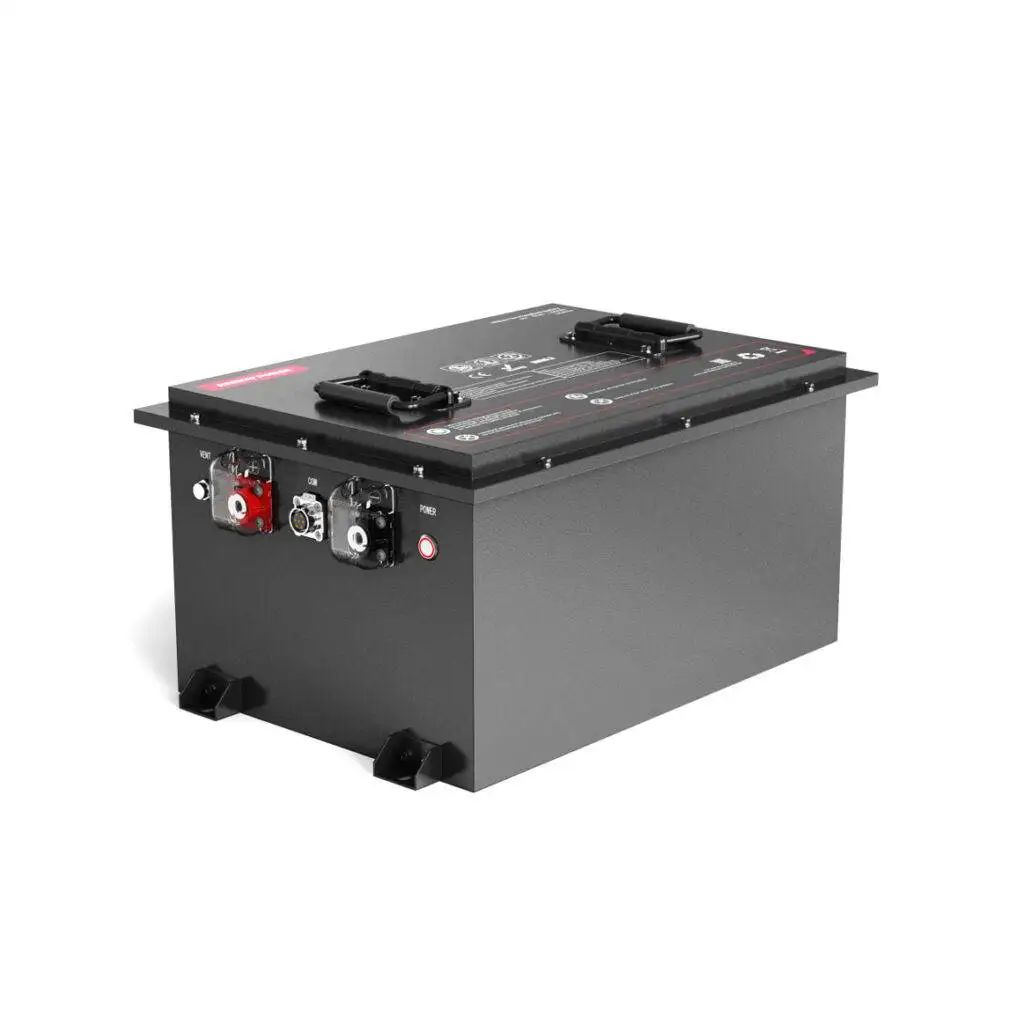
Global demand for electric golf carts is rising fast, while operators still struggle with short battery life, downtime, and rising maintenance costs. A lithium golf cart battery engineered for an 8–10 year service life directly addresses these pressures by extending lifespan, stabilizing performance, and reducing lifecycle costs for courses, communities, and fleet owners.
How is the golf cart battery market changing and what pain points are emerging?
Industry reports show the golf cart battery market is growing steadily on the back of golf tourism, gated communities, and commercial utility carts, but cost and reliability remain key barriers to wider electrification. Lead‑acid packs typically last around 4–6 years with proper maintenance, while lithium golf cart batteries can reach 8–10 years under correct usage, yet many operators still run lead‑acid because of lower upfront price. At the same time, global supply chain disruption and rising raw material prices have made replacements more expensive and less predictable, putting pressure on operating budgets.
Operators also report that older lead‑acid packs suffer from noticeable performance drop‑off after a couple of years, leading to shorter range and slower carts during peak hours. This not only affects customer experience but also forces earlier-than-planned pack replacements. For fleets running dozens or hundreds of carts, these unplanned swaps quickly accumulate into significant capital and labor expenditures.
Maintenance is another persistent pain point. Flooded lead‑acid batteries require watering, corrosion cleaning, and equalization charging; poor maintenance shortens life, but proper maintenance consumes staff time and training. Many smaller facilities lack battery specialists, so they accept 2–3 year battery life as “normal” and simply budget for frequent change‑outs instead of tackling root causes.
What limitations do traditional lead‑acid and generic lithium solutions have?
Traditional flooded lead‑acid batteries suffer from several structural drawbacks in high‑utilization golf cart fleets. They offer relatively low cycle life, are sensitive to deep discharges, and lose capacity faster as they age, which means range and hill‑climbing ability decline well before end of life. Their energy density is also low, so carts carry substantial extra weight that reduces efficiency and stresses mechanical components.
Even when operators move to lithium, not all solutions are designed for true 8–10 year fleet service. Some generic lithium packs use chemistries tuned for high energy density rather than longevity and safety in heavy use applications. Without a robust battery management system (BMS) matched to golf cart duty cycles, these packs can suffer from unbalanced cells, accelerated degradation, or unexpected shutdowns.
Compatibility and integration are another challenge with off‑the‑shelf solutions. Many carts need wiring, charger, or controller modifications, and insufficient engineering support can lead to mis‑sized packs or poor charging profiles. This undercuts the theoretical benefits of lithium and creates uncertainty for operators who cannot afford experimental downtime in high season.
How does an 8–10 year lithium golf cart battery solution from Redway Battery work?
An 8–10 year lithium golf cart battery solution centers on LiFePO4 chemistry combined with a high‑quality BMS and mechanical design tailored to golf cart applications. LiFePO4 provides long cycle life, stable voltage, and a strong safety profile, making it well suited for carts that run frequent partial and deep cycles. With cycle life often exceeding 3,000–5,000 full cycles under proper use, a daily‑use fleet can realistically plan for 8–10 calendar years of service.
Redway Battery focuses on LiFePO4 golf cart packs that are engineered as modular, drop‑in replacements for common models such as EZ‑GO, Club Car, and Yamaha. These packs are designed and manufactured in Shenzhen across four factories with ISO 9001:2015 quality systems, which helps ensure consistency over long production runs. By combining automated production, MES tracking, and application‑specific engineering, Redway Battery can support OEMs and fleet operators with batteries that match required voltage, capacity, and installation constraints.
A key enabler of long service life is the integrated BMS inside each Redway lithium golf cart battery pack. The BMS monitors cell voltages, temperatures, and current in real time and applies protections against overcharge, over‑discharge, and over‑current events. This electronic protection reduces abuse‑related degradation and helps keep the cells operating within their optimal window, which is essential to achieving the targeted 8–10 year lifespan in real‑world conditions.
What are the quantified advantages of long‑life lithium vs traditional solutions?
| Metric | Traditional flooded lead‑acid battery | Lithium golf cart battery (8–10 year design) | Practical impact for operators |
|---|---|---|---|
| Typical lifespan (years) | 2–4 under real‑world conditions | 8–10 with proper use and charging | Fewer replacement cycles and lower long‑term capex |
| Cycle life (full cycles) | ~500–1,000 | 3,000–5,000+ | Supports daily operation for many years |
| Range per charge | ~25–45 miles | ~40–60+ miles | Fewer mid‑day charges, more rounds per day |
| Charge time | 8–10 hours | 3–5 hours | Easier overnight and opportunity charging |
| Maintenance requirement | High (watering, cleaning, equalizing) | Very low (no watering, sealed pack) | Reduced labor and fewer user errors |
| Weight | Heavy | Up to 50% lighter | Better acceleration, less wear on suspension/brakes |
| Voltage stability | Drops noticeably as battery discharges | Flat discharge curve until near empty | Carts feel stronger throughout the day |
| Total cost of ownership (10y) | High due to replacements and labor | Lower despite higher upfront cost | Predictable budgeting, better ROI |
Redway Battery’s LiFePO4 golf cart solutions are designed to hit the upper end of these lithium metrics by combining long‑cycle cells with conservative pack sizing. This allows OEMs, wholesalers, and fleet owners to convert the theoretical advantages of lithium into measurable, bankable performance in daily service.
How can operators implement an 8–10 year lithium golf cart battery solution step by step?
Define usage profile and performance targets
Operators should quantify typical daily mileage, peak season usage, terrain, and desired range reserve. This information determines required pack capacity and helps match battery specifications to the application.Select the right lithium chemistry and form factor
For golf carts targeting 8–10 year life, LiFePO4 is the leading choice due to its safety and long cycle life. Redway Battery offers modular packs that can be configured in series or parallel to achieve the correct system voltage and capacity while fitting existing battery compartments.Validate compatibility with carts and chargers
Before deployment, verify that the lithium pack, BMS, motor controller, and charger are fully compatible. Redway Battery’s engineering team can provide wiring diagrams, recommended chargers, and, if needed, minor controller parameter adjustments to ensure smooth operation.Plan installation and commissioning
During installation, technicians remove old lead‑acid packs, clean trays and cables, and mount the new lithium packs with appropriate brackets and protection. The BMS and charger are configured, and initial tests confirm correct voltage, current limits, and communication, if applicable.Train staff and define operating rules
Operators and maintenance staff receive basic training on charging habits, storage conditions, and simple checks (such as BMS status indicators). With lithium, the main focus is on avoiding extreme temperatures and extended storage at very low state of charge.Monitor performance and adjust if needed
Over the first few months, operators can log range, charge times, and user feedback to ensure the chosen configuration meets expectations. Redway Battery can review data and suggest fine‑tuning if usage patterns differ from initial assumptions.
Which four real‑world scenarios illustrate the benefits of 8–10 year lithium golf cart batteries?
Golf course fleet (36‑hole resort)
Problem: The resort ran 80 lead‑acid carts with batteries needing replacement roughly every 3 years, causing frequent downtime and guest complaints about sluggish performance on back‑nine hills.
Traditional approach: The course budgeted regular lead‑acid repurchases and employed staff mainly to top up water, clean terminals, and rotate failing packs, accepting 2–3 year life as inevitable.
After adopting 8–10 year lithium: With lithium packs sized for full‑day operation and 3–5 hour recharge, carts kept strong acceleration from first to last tee, and unplanned battery‑related outages dropped sharply.
Key benefits: Over a 10‑year horizon, the course reduced total battery purchases, cut maintenance hours, and improved guest satisfaction, helping justify the higher upfront investment.Residential community shuttle carts
Problem: A gated community used multi‑passenger carts for internal transport, with routes including short but steep climbs that quickly exposed aging lead‑acid performance loss.
Traditional approach: Maintenance crews frequently swapped out weak lead‑acid batteries ahead of community events and kept spare carts in reserve to offset unreliable range.
After adopting 8–10 year lithium: Lighter LiFePO4 packs provided better hill performance and consistent range throughout the day, allowing a smaller fleet to cover the same service level.
Key benefits: The community cut the total number of carts needed, saved parking space, and simplified scheduling, while reducing complaints about carts slowing or stalling on inclines.Industrial campus and warehouse utility carts
Problem: Facility managers relied on utility carts for parts transport and maintenance runs, but long charge times and frequent battery replacements disrupted work orders and shift transitions.
Traditional approach: Operators used opportunity charging on lead‑acid packs, which accelerated sulfation and further shortened battery life, locking the site into a cycle of early replacements.
After adopting 8–10 year lithium: Faster charging and higher usable capacity meant carts could support multiple shifts with scheduled top‑ups, while the BMS protected against abusive charging patterns.
Key benefits: The facility reduced unexpected cart downtime, improved logistics predictability, and reallocated maintenance labor from battery tending to higher‑value tasks.Rental and tourism cart fleets
Problem: Rental operators at resorts and tourist destinations needed reliable carts that could handle continuous daily rentals in peak season without mid‑day failures.
Traditional approach: They over‑specified fleet size and rotated carts to compensate for weak, aging lead‑acid packs, which increased capital tied up in inventory.
After adopting 8–10 year lithium: With higher cycle life and stable discharge characteristics, each cart could run more rental hours per day with fewer performance complaints, even after several years of use.
Key benefits: Operators improved revenue per cart, extended replacement intervals, and strengthened brand reputation for reliable, modern vehicles—advantages that compound over an 8–10 year period.
In all these scenarios, Redway Battery’s role as an OEM‑focused LiFePO4 supplier is to co‑design and supply packs that meet the precise electrical and mechanical requirements of each application, with OEM/ODM customization and 24/7 after‑sales technical support.
Why is now the right time to move to 8–10 year lithium golf cart batteries?
Several structural trends make long‑life lithium golf cart batteries especially compelling today. Electrification pressure is rising, with more courses, communities, and campuses committing to lower emissions and quieter operations, which increases their reliance on battery performance. At the same time, raw material volatility and tighter environmental regulations around lead handling and disposal are making frequent lead‑acid replacements less attractive and less predictable.
By adopting lithium golf cart batteries designed for an 8–10 year service life, operators can lock in a predictable, long‑term power platform instead of constantly reacting to short battery life and unplanned failures. Redway Battery, with its 13+ years of experience, LiFePO4 specialization, four advanced factories, and ISO 9001:2015 management systems, is positioned to support OEMs, distributors, and end‑users in making this transition at scale. Acting now allows organizations to begin capturing lifecycle savings, improving user experience, and building fleets ready for the next decade of electrification.
What are common FAQs about lithium golf cart batteries designed for 8–10 year service life?
Is a lithium golf cart battery with 8–10 year design life really cheaper over time?
Yes. Although upfront cost is higher than lead‑acid, reduced replacements, lower maintenance, and higher uptime typically yield a lower total cost of ownership over a 8–10 year horizon.
How can I verify that a lithium golf cart battery is truly designed for 8–10 years?
Check cycle life ratings, typical depth‑of‑discharge assumptions, and test data. Request discharge curves, cycling test reports, and case studies that show multi‑year performance in comparable applications.
What role does the BMS play in achieving an 8–10 year service life?
The BMS protects cells from conditions that accelerate degradation, such as over‑charge, over‑discharge, and excessive current or temperature, keeping the pack within safe operating limits throughout its life.
Can I upgrade existing lead‑acid golf carts to long‑life lithium without replacing the whole cart?
In many cases yes, using drop‑in lithium packs that match the original system voltage and are paired with compatible chargers, sometimes with minor wiring or controller adjustments.
Who is Redway Battery and why are they relevant to long‑life golf cart batteries?
Redway Battery is an OEM lithium battery manufacturer based in Shenzhen, specializing in LiFePO4 solutions for golf carts, forklifts, and other applications, with a focus on durable, safe, and customizable packs that support 8–10 year service lifetimes.
What maintenance is required for an 8–10 year lithium golf cart battery?
Routine checks mainly involve ensuring proper charging, monitoring any system diagnostics, and avoiding extreme temperatures or prolonged storage at very low state of charge, with no watering or terminal cleaning like lead‑acid.
Could lithium golf cart batteries face supply constraints or recycling challenges in the future?
Like all lithium‑based products, they depend on global raw material and recycling ecosystems, so operators should work with suppliers who actively plan for end‑of‑life handling and maintain diversified sourcing.
Sources
Global golf cart battery market analysis – Exactitude Consultancy
Golf cart battery shortage and lithium supply chain commentary – Huanduy Lithium Battery
Lithium vs lead‑acid performance metrics and lifespan benchmarks – Redway Battery technical content
Industry discussions on disadvantages and challenges of lithium golf cart batteries – Vatrer Power, Extreme Kartz
For connected guidance and the next practical steps, use the How Much Do Golf Cart Batteries Cost? Ranges by Chemistry and Voltage.
