




REDWAY BATTERY / KNOWLEDGE
EXW, FOB, CIF or DDP: which Incoterm suits a lithium battery order?
Redway Battery Editorial Team
Talk / Battery Q&A
An importer buying its first container of lithium golf cart batteries is offered EXW, FOB and CIF prices and wants to know which carries the least risk.
Direct answer: For most first orders, FOB or the container-friendly FCA works well: the factory packs, labels and clears the batteries for export as dangerous goods, and your forwarder books the freight. EXW puts export and dangerous-goods paperwork on your side, which is hard to manage from abroad. CIF or CIP leave freight booking to the seller, and DDP makes the seller importer of record, which is only workable if the seller can meet your country’s import rules.
What Incoterms do and do not cover. The ICC’s Incoterms 2020 rules define where delivery and risk pass, and who pays which costs and clears customs. They do not change dangerous-goods law: lithium batteries ship as Class 9 dangerous goods under the IMDG Code by sea or the IATA rules by air, and whoever acts as shipper must meet those rules.
EXW. The seller makes goods available at its premises. Your forwarder must collect, export-clear and act as dangerous-goods shipper, relying on the factory’s packaging and documents. Simple on price, demanding in practice.
FCA, FOB and CIF. FCA delivers to your carrier at a named place and works for any mode, including containers. FOB and CIF are for sea and inland waterway only, with risk passing when goods are on board; the ICC notes FCA or CPT often match container practice better. Under all three, the seller clears for export. CIF adds seller-booked freight and minimum insurance to the destination port.
DDP. The seller delivers cleared and duty paid. For batteries this can include import registration, labelling and producer obligations, for example under the EU Batteries Regulation. Confirm the seller can handle these in your country before accepting DDP.
Documents either way. Ask for the UN38.3 test summary, SDS, packing list, dangerous-goods declaration copy and markings photos; see documents to request and shipping by sea or air.
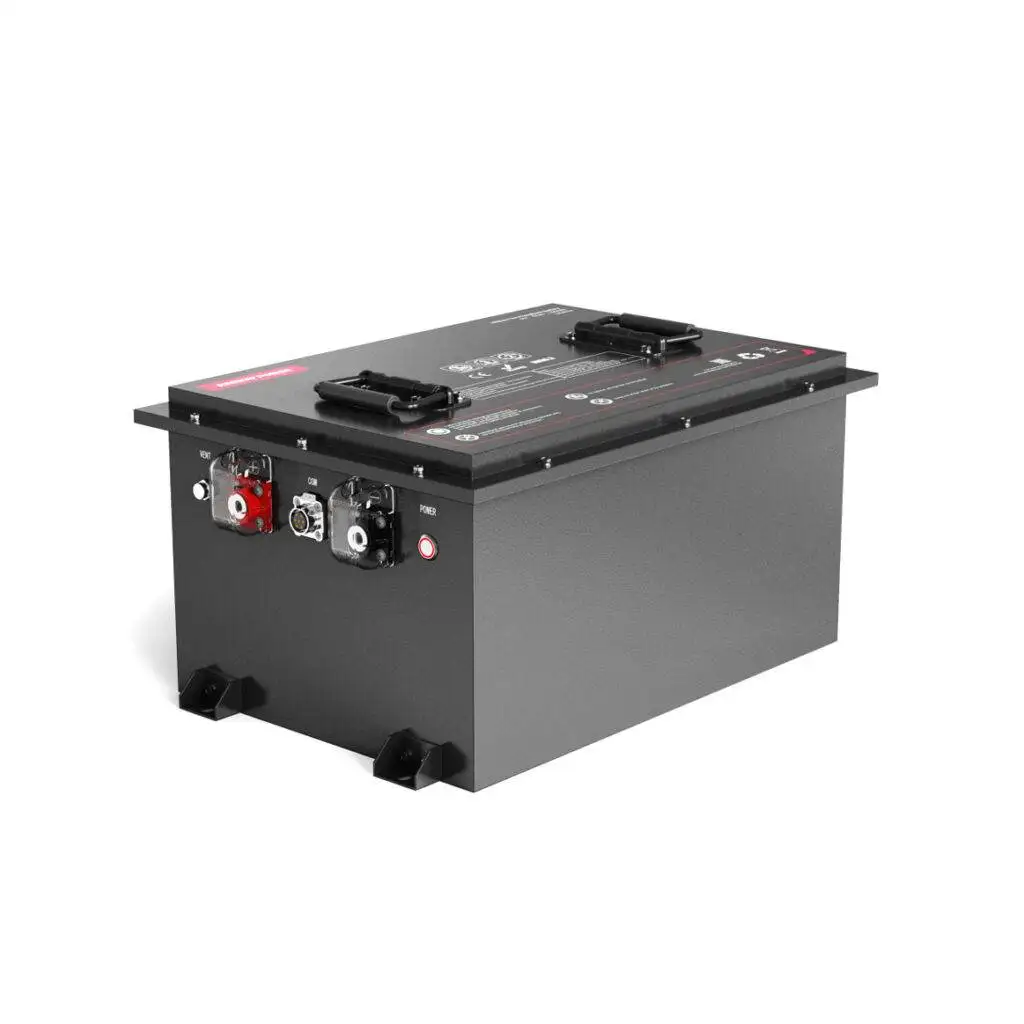
Redway’s terms. Redway’s e-bike battery page mentions FOB, EXW and CIF options; ask which terms apply to products such as the 48V 100Ah golf cart battery, 51.2V 200Ah rack battery or 48V 420Ah forklift battery.
Insurance. Cargo insurance must cover dangerous goods; check the policy wording.
A simple rule for first orders. Choose a term where the factory, which knows the product and its test documents, prepares the dangerous-goods packing and export, and where you control the main freight and insurance. As volumes grow and your forwarder learns the product, other terms may become cheaper.
↳ Replying to Redway Battery Editorial Team
Compare landed cost under each term, including dangerous-goods surcharges, insurance and import duties, not just the factory price.
↳ Replying to Procurement perspective
Name the place precisely, for example ‘FCA [terminal], Incoterms 2020’, and state in the contract who prepares the dangerous-goods declaration.
↳ Replying to Selection/Engineering perspective
On arrival, check cartons, labels and markings against the photos and claim damage before signing for the goods.
For most first orders, FOB or the container-friendly FCA works well: the factory packs, labels and clears the batteries for export as dangerous goods, and your forwarder books the freight. EXW puts export and dangerous-goods paperwork on your side, which is hard to manage from abroad. CIF or CIP leave freight booking to the seller, and DDP makes the seller importer of record, which is only workable if the seller can meet your country’s import rules.
Verify before ordering: Incoterms define cost and risk only; dangerous-goods duties depend on the transport rules and the party acting as shipper. This is not legal advice.
Sources checked: ICC: Incoterms 2020; US ITA: Know your Incoterms.
Editorial Q&A for battery selection and operations. Product figures cited from Redway product pages.
Related products
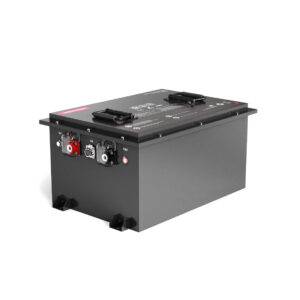 48V 100Ah LiFePO4 Golf Cart Battery
 51.2V 200Ah 10kWh Server Rack Battery (5U)
 48V 400Ah (51.2V 420Ah) Lithium Forklift Battery
Related articles & discussions
- Why Is It Bad to Ship Lithium Batteries?
- How Can an Industrial Lithium Battery Manufacturer with Global Export Capability Solve Today’s Energy Storage Challenges?
- What Are the Benefits of Wholesale Forklift LiFePO4 Batteries?
- How to Choose the Best Industrial Forklift Battery Suppliers?
- What’s the Best Wholesale Price for LiFePO4 Forklift Batteries?
- How to Select the Best Supplier for LiFePO4 Cells
- Understanding UN38.3 Certification for Lithium Batteries: A Comprehensive Guide
- What Are the Best Golf Cart Battery Suppliers?
- Where Can I Find an LFP Battery Supplier?
- Where to Sell Lithium Ion Batteries Wholesale?
