




REDWAY BATTERY / KNOWLEDGE
Which HS code applies to LiFePO4 batteries, and what does customs need?
Redway Battery Editorial Team
Talk / Battery Q&A
An importer receiving its first shipment of LiFePO4 batteries is asked by its broker to confirm the tariff code and description for the customs entry.
Direct answer: At the international six-digit level, LiFePO4 batteries are lithium-ion accumulators under HS subheading 8507.60. Each country then adds digits, sometimes splitting by use or size, and the duty rate depends on that national line and the goods’ origin. Your customs broker confirms the national code; you provide a clear product description and consistent documents.
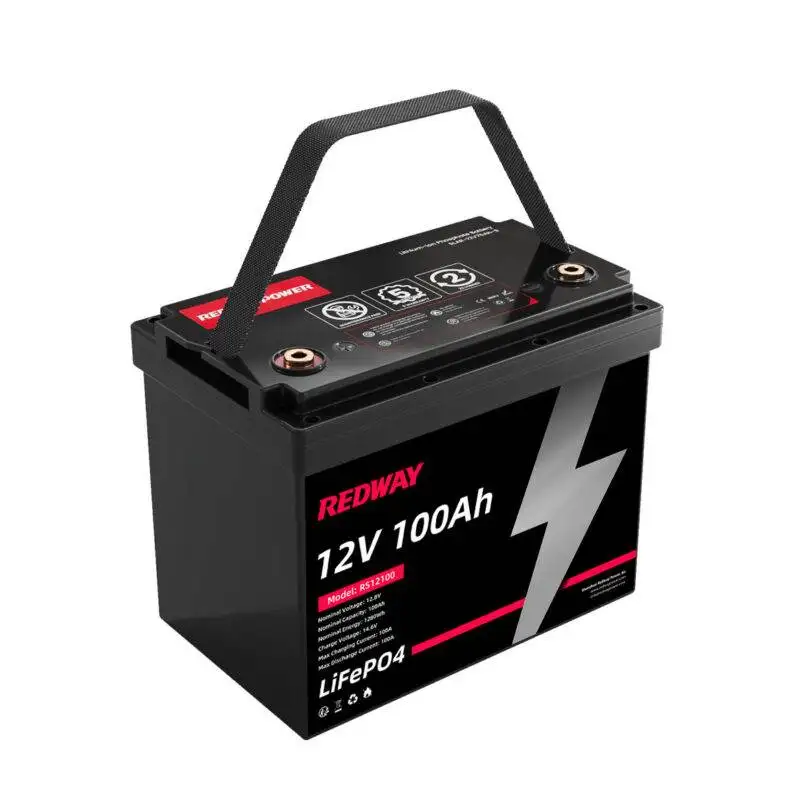
Why 8507.60. Heading 85.07 covers electric accumulators; subheading 8507.60 covers lithium-ion types. LiFePO4 is a lithium-ion chemistry, so a battery such as the 12V 100Ah LiFePO4 falls here. Customs rulings in several countries have classified LiFePO4 storage batteries with BMS under 8507.60.
National lines. Countries add two to six digits. The UK tariff, for example, has several lines under 8507.60, including lines for particular types of cells and modules. A golf cart battery like the 48V 100Ah or a rack battery like the 51.2V 200Ah may fall under different national lines depending on how the tariff splits them.
Combined products. A product that combines a battery with an inverter, such as a portable power station or an all-in-one system, may be classified by its main function; rulings differ. Ask for an advance ruling if volumes are large.
Documents customs expects. Commercial invoice with a full description (chemistry, voltage, capacity, watt-hours, model, quantity, value, origin); packing list matching it; bill of lading or air waybill; certificate of origin if claiming a preferential rate; and, for dangerous goods, the dangerous-goods declaration. Keep the UN38.3 test summary and SDS ready; see documents to request.
Duties and other measures. Duty rates vary by line and origin, and additional measures may apply to goods from some origins. Product rules also apply at import, for example CE-related and battery regulations in the EU. Check current rates with your broker before quoting landed costs.
Description consistency. Use the same model names and watt-hour figures on invoice, packing list, labels and shipping documents. Mismatches delay clearance; see shipping lithium batteries.
Valuation and samples. Customs value is normally the transaction value plus, in many countries, freight and insurance to the border. Free samples still need a value on the invoice. Warranty replacements need a clear note so they are not mistaken for new sales, and the same dangerous-goods rules apply to them as to any battery shipment.
↳ Replying to Redway Battery Editorial Team
Confirm national code and duty with the broker before setting prices; a wrong code can change landed cost significantly.
↳ Replying to Procurement perspective
Give the broker technical data: chemistry, Wh, voltage, BMS, and whether any inverter or charger is included.
↳ Replying to Selection/Engineering perspective
Keep a document pack per shipment with invoice, packing list, DG declaration and test documents for later audits.
At the international six-digit level, LiFePO4 batteries are lithium-ion accumulators under HS subheading 8507.60. Each country then adds digits, sometimes splitting by use or size, and the duty rate depends on that national line and the goods’ origin. Your customs broker confirms the national code; you provide a clear product description and consistent documents.
Verify before ordering: National tariff lines and duty rates change; obtain current classification and rates from a licensed customs broker. This is not legal advice.
Sources checked: UN Statistics Division: HS subheading 850760; UK Trade Tariff: subheading 8507.60 (lithium-ion).
Editorial Q&A for battery selection and operations. Product figures cited from Redway product pages.
Related products
 12V 100Ah Lithium Battery (LiFePO4, Self-heating, OEM)
 48V 100Ah LiFePO4 Golf Cart Battery
 51.2V 200Ah 10kWh Server Rack Battery (5U)
Related articles & discussions
- How Can OEM Lithium Battery Suppliers Transform the Golf Cart Manufacturing Industry?
- What Certifications Do 12V LiFePO4 Batteries Have?
- What Wholesale Supplier Offers the Best Quality Lithium LiFePO4 Batteries for Golf Carts?
- How to Safely Fly with Lithium Batteries: Regulations and Tips
- How Can Custom OEM ODM Lithium Battery Packs Transform the Golf Cart Industry?
- How Can a 72V 200Ah Lithium Golf Cart Battery OEM Supplier Transform Your Fleet Efficiency?
- Who Is a Reliable LiFePO4 Battery Supplier?
- Are Wholesale Lithium LiFePO4 Batteries Worth the Investment?
- Why Choose Redway Power for Wholesale LiFePO4 Battery Solutions?
- Why Choose Lithium-ion Battery Wholesale for Your Business Needs
