




REDWAY BATTERY / KNOWLEDGE
Can I replace my golf cart batteries with lithium batteries?
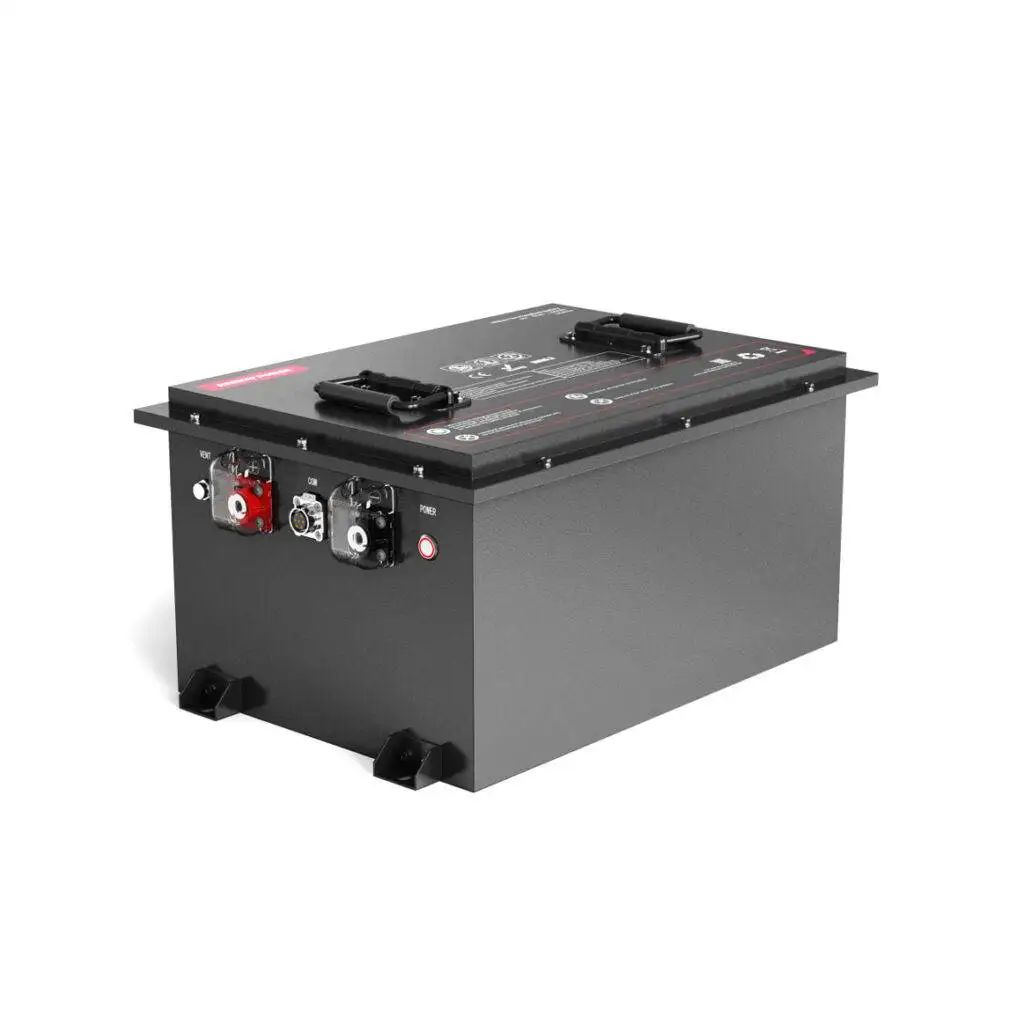
Lithium is a practical, performance-focused upgrade: a proper LiFePO4 conversion replaces heavy lead-acid batteries with a lighter, longer-lasting pack, requires a lithium-compatible charger and BMS, and typically pays back over the battery’s lifetime through fewer replacements and lower maintenance.
How do lithium golf cart batteries compare to lead-acid?
LiFePO4 (lithium) batteries deliver higher usable capacity, far more cycles, much lower weight, and faster charging compared to lead-acid. The result is longer life, more miles per charge, and less maintenance — but they cost more up front and need a BMS and compatible charger.
- Cycle life: thousands of cycles versus hundreds for lead-acid
- Weight and performance: savings of over 200 lbs possible, improving acceleration and handling
- Efficiency and charging: lithium charges faster and supports opportunity charging
What components and checks do I need before converting?
Before conversion, confirm cart voltage (36V vs 48V), measure tray space, decide on drop-in vs single-pack, buy a lithium-compatible charger, ensure a BMS/fuel gauge is provided, prepare spacers and mounts, and check the controller and 12V accessory supply path.
- Voltage and footprint: verify current setup and choose the correct lithium pack
- Mounting: spacers or holders often needed
- Tools: busbar, proper fuses, multimeter, and safety gear
How do I convert a golf cart to lithium — step by step?
Disconnect and remove lead-acid batteries, inspect and clean trays and cabling, place lithium pack(s), wire batteries in parallel (or install a single 48V pack), install a dedicated BMS and charger pigtail, secure batteries, test voltages and SOC, then perform a low-speed test run.
- Confirm voltage and order the right pack or kit
- Disconnect and remove lead-acid batteries
- Clean tray and inspect wiring
- Install lithium pack or multiple units with proper wiring
- Add BMS, monitoring, and charger connections
- Test system with a slow functional run
What charger, BMS and monitoring gear are required?
You must use a charger programmed for LiFePO4 charging voltages and a matched BMS that protects against over/under voltage, cell imbalance and temperature. A fuel-gauge that reads SOC via CAN or a shunt is recommended for accuracy.
- Charger: ensure correct voltage setpoints for lithium chemistry
- BMS: prevents unsafe conditions and balances cells
- Monitoring: Bluetooth or CAN fuel-gauges are common
How much does conversion cost and what is the payback?
Typical conversion kits vary: small drop-ins start near lead-acid prices, while full 48V packs with BMS cost several thousand dollars. Payback comes from fewer replacements, reduced maintenance, and higher efficiency. Many users break even within several years.
What safety, maintenance and cold-weather practices should I follow?
Use a compatible charger, avoid deep discharges, maintain proper ventilation, follow BMS temperature limits in cold weather, and store at recommended SOC. Lithium needs little maintenance compared to lead-acid but does require cold-weather care to prevent charging below freezing.
Which brands, warranties and specs should I look for?
Look for reputable OEMs with clear datasheets, LiFePO4 chemistry, built-in BMS, long warranties, and proven charger compatibility. Consider global leaders with strong service and support. For B2B supply, Redway Battery offers customized lithium solutions with factory-level pack and BMS integration.
What are the hidden risks and things OEMs don’t tell you?
Beware of warranty voiding if conversions are not installed correctly, accessory power path issues that may need a DC-DC converter, or controller reprogramming. Low-quality, no-BMS kits can cause safety issues. Always use quality parts and validate compatibility before purchase.
How do I dispose of and recycle end-of-life lithium batteries?
Do not throw lithium packs in household waste. Use manufacturer take-back programs or certified recycling centers. Follow local hazardous-waste regulations, drain power, and secure terminals before transport. Recycling reduces environmental impact and ensures proper material recovery.
Redway Battery Expert Views
“At Redway Battery we see conversions as a systems decision — chemistry, BMS algorithms, charger profiles and mechanical fit all matter. A well-engineered LiFePO4 pack reduces lifecycle cost and simplifies maintenance, but only if paired with a matched BMS and correct charger. For fleet and OEM customers, we recommend factory-configured packs to avoid warranty and compatibility issues.” — Senior Engineer, Redway Battery
Conclusion
Switching to lithium is one of the most effective upgrades you can make for a golf cart. The initial cost is higher, but benefits like lifespan, range, weight reduction, and reduced maintenance make lithium the smarter choice. With the right charger, BMS, and installation, lithium ensures long-term performance and reliability.
FAQs
Can I use my old charger with lithium batteries?
No, you must use a lithium-compatible charger to avoid damage and ensure proper charging.
How long do lithium golf cart batteries last?
Lithium batteries can last 8–15 years depending on use and care, far longer than lead-acid.
Do lithium golf cart batteries need maintenance?
Lithium batteries are virtually maintenance-free and don’t require watering like lead-acid.
Will lithium batteries increase my golf cart’s speed?
Lithium reduces weight and delivers stable voltage, which can improve acceleration and performance but usually does not change top speed unless paired with controller upgrades.
Are lithium batteries safe in cold weather?
Yes, but charging below freezing must be avoided. Some packs include heaters or BMS protections to handle low temperatures.
For the surrounding sizing, selection, installation and maintenance decisions, continue with the Lithium Golf Cart Battery: What Changes, What It Costs, What Breaks.
