




REDWAY BATTERY / KNOWLEDGE
What should you do with old lead-acid forklift batteries after switching to lithium?
Redway Battery Editorial Team
Talk / Battery Q&A
A warehouse has just commissioned lithium packs and still has a row of flooded lead-acid forklift batteries on stands that must leave the site within two weeks.
Direct answer: Treat spent lead-acid forklift batteries as regulated batteries and electrolyte, not ordinary scrap metal. Arrange pickup by a licensed battery recycler or the supplier take-back channel that serves your region, keep them upright with caps secured, and document chain of custody. Do not drain acid on site, tip batteries on their sides, or load them into general scrap bins. Clean and reassign the old watering and wash-down area once the last case leaves, because lithium charging does not need the same spill regimen.
Why this is not optional. Lead-acid cases hold sulphuric acid and lead. Local environmental and transport rules usually require licensed handlers. In the US, EPA guidance on battery recycling and universal waste frameworks is a starting point; always follow your regional agency. Lithium arrival does not erase those duties for the old bank.
Logistics. Flooded forklift batteries are heavy. Use the same lift gear you used for install, keep cases upright, and protect terminals against short circuits during staging. Photograph serials and condition for any resale credit. Receiving discipline for the new lithium side is covered in receiving heavy lithium shipments; mirror that care on the outbound lead-acid move.
Resale versus recycle. Some cores have residual value if plates and cases are intact; damaged or leaking units usually go straight to recycling. Get the credit terms in writing and never mix leaking batteries onto a dry pallet. Site fire-safety changes when watering stops are discussed in charging-area fire safety after lithium.
New fleet context. Packs such as the 48V 300Ah-class (about 15.56 kWh), 24V 230Ah (about 5.88 kWh) and 36V 250Ah-class remove watering, but operators still need lithium-specific training; see operator training without watering.
Charging room reset. Remove watering tools, neutraliser stations that are no longer needed, and acid-stained trays. Keep spill kits until the last lead-acid case is gone. Retask the room for lithium connectors and clear egress.
Paper trail. Keep manifests, recycler receipts and any hazardous-waste forms with the project file. Procurement should close the lead-acid asset list in the CMMS so trucks are not double-counted.
Do not improvise transport. Ordinary flatbeds without proper blocking, or passenger vans, are the wrong answer for multi-hundred-kilogram acid batteries. Use the recycler guidance for securement.
↳ Replying to Redway Battery Editorial Team
Book recycler pickup before lithium go-live so old batteries do not block the charging aisle.
↳ Replying to Procurement perspective
Require upright handling, terminal protection and written manifests in the removal contract.
↳ Replying to Selection/Engineering perspective
Update the charging-room SOP the same week the last lead-acid case leaves.
Treat spent lead-acid forklift batteries as regulated batteries and electrolyte, not ordinary scrap metal. Arrange pickup by a licensed battery recycler or the supplier take-back channel that serves your region, keep them upright with caps secured, and document chain of custody. Do not drain acid on site, tip batteries on their sides, or load them into general scrap bins. Clean and reassign the old watering and wash-down area once the last case leaves, because lithium charging does not need the same spill regimen.
Verify before ordering: Recycling and transport rules for lead-acid batteries are region-specific; follow the local environmental agency and the licensed recycler instructions.
Sources checked: US EPA — Used Lithium-Ion Batteries.
Editorial Q&A for battery selection and operations. Product figures cited from Redway product pages.
Related products
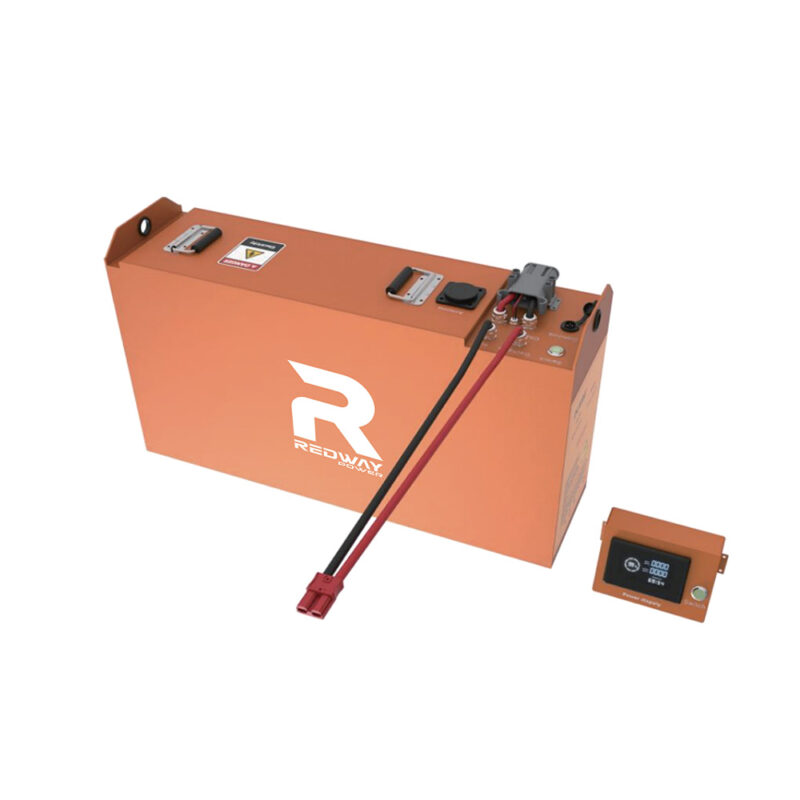
 48V 300Ah (51.2V 304Ah) Lithium Forklift Battery
 24V 230Ah (25.6V 230Ah) Lithium Forklift Battery
 36V 250Ah (38.4V 240Ah) Lithium Forklift Battery
Related articles & discussions
- Why Businesses Are Switching to High‑Capacity Lithium Batteries
- What Is The Best Alternative To Lead Acid Battery For Forklifts?
- Which Battery Is Better: Lithium or Lead-Acid?
- How Do Lithium and Lead Acid Forklift Battery Prices Compare?
- How Does Lithium Ion Forklift Battery Compare To Lead Acid?
- How to Choose Between Lithium-Ion and Lead-Acid Batteries for Electric Applications
- Does Interstate pay for old batteries?
- What Are Motive Power Flooded Lead Acid Batteries?
- What battery lasts longer lead-acid or lithium?
- Can I Charge a Lithium Battery with a Lead Acid Charger?
