REDWAY BATTERY / KNOWLEDGE
What does 4G cloud monitoring on a lithium forklift battery show, and who should see it?

Redway Battery Editorial Team
Talk / Battery Q&A
A distribution centre is ordering lithium forklift batteries with cloud monitoring and wants to decide who gets logins before the packs arrive.
Direct answer: 4G cloud monitoring on these forklift packs typically reports live and historical pack voltage, current, state of charge, state of health, cell-spread or imbalance indicators, temperatures, and alarm or fault codes over a cellular link, alongside local RS485 or CAN for the charger and truck. Give operations and maintenance read access for daily use, keep admin rights with a named owner, and agree SIM ownership and data costs in the purchase order. Treat the feed as an operations tool, not a substitute for on-truck checks.
What the pages claim. Redway lists a forklift cloud monitoring system with RS485, CAN and 4G on packs such as the 80V 700Ah (690Ah), the 48V 400Ah (51.2V 420Ah) and the 80V 300Ah (83.2V 315Ah), often with a built-in 4G antenna. Exact dashboards, update rates and export formats are model- and firmware-specific; ask Redway for the current field list and sample screens before you rely on them in a service contract.
Who should see what. Maintenance needs alarms, cell imbalance, temperature and charge history to plan work. Supervisors need SOC and truck-availability views so shifts are not started on empty packs. Procurement and management may only need monthly summaries. Keep write or configuration rights with one accountable person so thresholds are not changed casually.
SIM and platform. Agree who supplies the SIM, which countries or sites are covered, and who pays roaming or data fees. Ask whether the platform is multi-site, how long data is retained, and whether you can export CSV or API data for your own CMMS. Put renewal and offboarding in the contract so access does not vanish when a SIM lapses.
How it complements local displays. Operators still need the on-battery display or truck BDI for day-to-day decisions; cloud is for after-the-fact review and remote sites. Reading SOC, SOH and alarms on local interfaces is covered in display and monitoring basics.
Charging context. Cloud logs of charge current, end voltage and abort reasons help confirm the charger profile and communication are correct; see forklift charger requirements for lithium.
Weekly review habit. Once a week, scan open alarms, packs that finished the week below a chosen SOC, and any temperature or imbalance outliers. Escalate packs that repeat the same fault rather than clearing alarms without a note.
Privacy and security. Limit accounts to people who need them, use unique logins, and turn off access when staff leave. Do not share one generic password across the warehouse.
Ordering tip. Ask for a short data dictionary and demo login with the quote so IT and maintenance can accept the tool before deposit.
↳ Replying to Redway Battery Editorial Team
Agree SIM ownership, platform fees and who holds admin accounts in the purchase order before the batteries ship.
↳ Replying to Procurement perspective
Confirm which data fields, alarm codes and update rates your model actually supports, and that they match your maintenance process.
↳ Replying to Selection/Engineering perspective
Schedule a weekly alarm and SOC review; cloud data only pays off if someone reads it and acts.
4G cloud monitoring on these forklift packs typically reports live and historical pack voltage, current, state of charge, state of health, cell-spread or imbalance indicators, temperatures, and alarm or fault codes over a cellular link, alongside local RS485 or CAN for the charger and truck. Give operations and maintenance read access for daily use, keep admin rights with a named owner, and agree SIM ownership and data costs in the purchase order. Treat the feed as an operations tool, not a substitute for on-truck checks.
Verify before ordering: Cloud fields, update rates, SIM arrangements and platform features vary by model and must be confirmed with Redway for the packs you order.
Editorial Q&A for battery selection and operations. Product figures cited from Redway product pages.
Related products
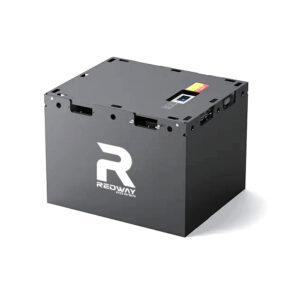 80V 700Ah (690Ah) Forklift Lithium Battery
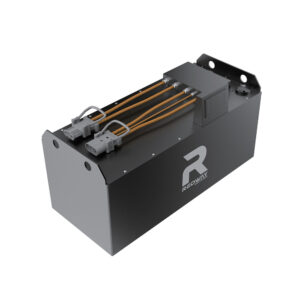 48V 400Ah (51.2V 420Ah) Lithium Forklift Battery
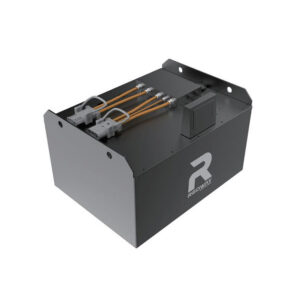 80V 300Ah (83.2V 315Ah) Forklift Lithium Battery
Related articles & discussions
- Who Are Forklift Experts For Sales & Rentals?
- How can a smart BMS lithium battery with Bluetooth monitoring transform your energy systems?
- Who Can Charge And Change Batteries In Electric Forklifts?
- Who Are the Leading Forklift LiFePO4 Battery Manufacturers and Suppliers?
- What Are the Benefits of Lithium Forklift Batteries?
- Who Is F-M Forklift Sales & Service, Inc.?
- What Is The Lifespan Of A Lithium Forklift Battery?
- What Are Applications Of Forklift Lithium Battery?
- Why Use Lithium-Ion Batteries In Forklifts?
- What Are Advantages Of Lithium Batteries For Forklifts?