




REDWAY BATTERY / KNOWLEDGE
UN3480, UN3481 or UN3171: which applies to your battery shipment?
Redway Battery Editorial Team
Talk / Battery Q&A
A buyer is arranging air and sea freight for spare lithium packs, a pack shipped inside equipment, and a small battery-powered cart, and the forwarder asked which UN number to use.
Direct answer: Classification follows how the battery is offered for transport. UN3480 is for lithium-ion batteries shipped by themselves. UN3481 is for lithium-ion batteries packed with equipment or contained in equipment. UN3171 is the entry commonly used for battery-powered vehicles with the battery installed (subject to mode-specific rules). The shipper is responsible for classification; use the current IATA DGR, IMDG Code or US HMR text, and note that air rules for vehicles have been evolving toward dedicated vehicle UN numbers in recent DGR editions.
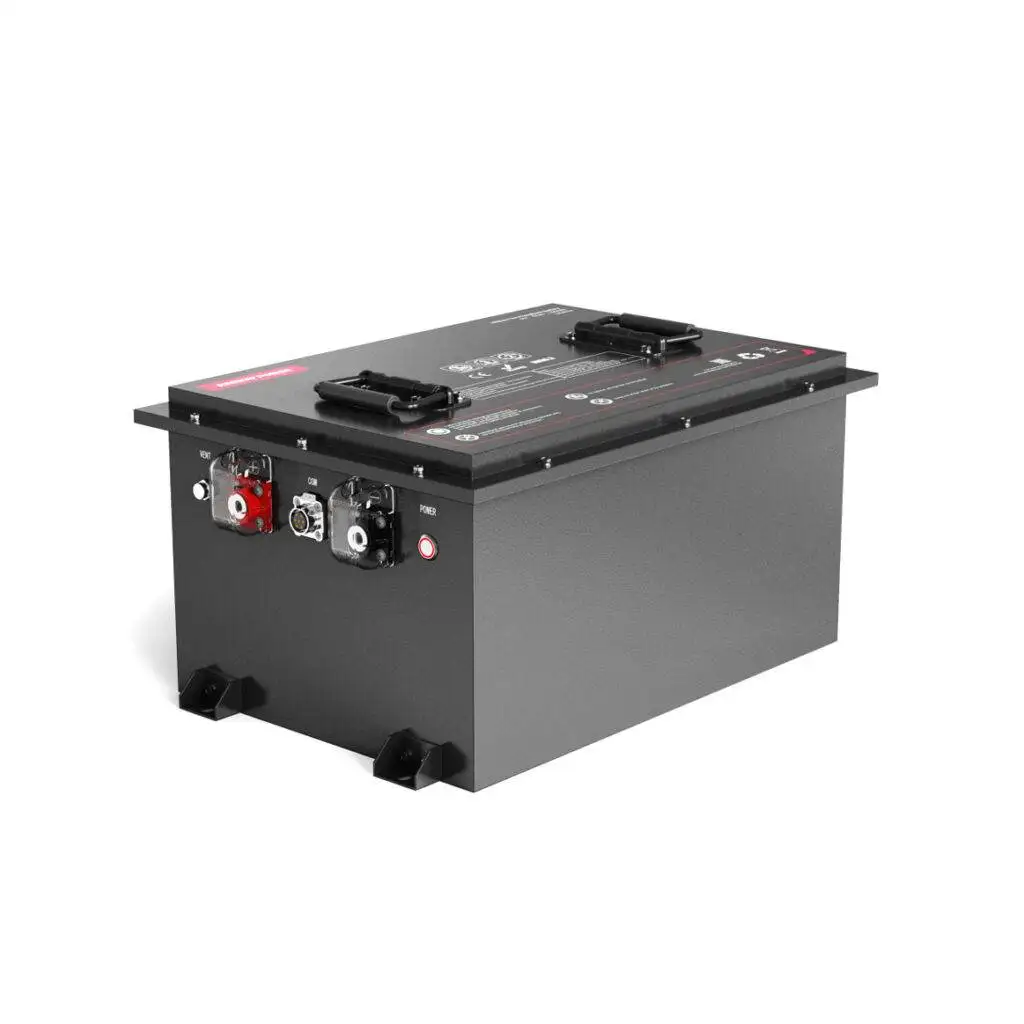
UN3480 — batteries alone. Loose packs such as a 12V 100Ah, a 48V 100Ah golf cart battery, or a standalone ESS module ship as lithium-ion batteries when not in or with equipment. Air shipments face strict packing instructions, state-of-charge limits and often cargo-aircraft-only constraints. See sea/air UN3480 buyer guide and carton labels and marks.
UN3481 — with or contained in equipment. If the battery is packed with the equipment it powers, or installed in that equipment (not a vehicle), UN3481 typically applies. Proper shipping names distinguish packed with versus contained in, but share the UN number.
UN3171 — battery-powered vehicles. When the shipment is a vehicle powered by the battery and the battery remains installed, many surface and older air references use UN3171. PHMSA materials describe e-bikes and similar vehicles this way. For air, check the current IATA DGR: newer editions introduce vehicle-specific UN numbers (for example UN3556 for lithium-ion battery-powered vehicles) with transitional handling of UN3171—do not rely on memory.
Examples. A crate of spare house or cart batteries → usually UN3480. A PowerAll all-in-one shipped as equipment with batteries installed may be UN3481 depending on how it is declared—confirm with the dangerous-goods specialist. A golf cart rolled on with battery installed is a vehicle problem, not a loose-battery problem; receiving heavy traction packs is covered in receiving heavy shipments.
Why it matters. UN number drives packing instruction, marks, labels, SOC limits, carrier acceptance and cost. Misdeclaration risks refusal and regulatory exposure.
Documents. UN38.3 test summaries, shipper’s declaration where required, and correct marks travel with the classification; see UN38.3 documents.
Practical step. Describe the physical configuration in one sentence to your DG officer: batteries alone, batteries with equipment, batteries in equipment, or vehicle with battery installed—then classify from the current mode rules.
↳ Replying to Redway Battery Editorial Team
Classification drives freight cost; freeze the shipping configuration in the purchase order before asking for rates.
↳ Replying to Procurement perspective
Match the UN number to the physical offer for transport, then select packing instruction from the current DGR/IMDG/HMR edition.
↳ Replying to Selection/Engineering perspective
Keep photos of packing and labels with the shipment file in case a carrier queries the declaration.
Classification follows how the battery is offered for transport. UN3480 is for lithium-ion batteries shipped by themselves. UN3481 is for lithium-ion batteries packed with equipment or contained in equipment. UN3171 is the entry commonly used for battery-powered vehicles with the battery installed (subject to mode-specific rules). The shipper is responsible for classification; use the current IATA DGR, IMDG Code or US HMR text, and note that air rules for vehicles have been evolving toward dedicated vehicle UN numbers in recent DGR editions.
Verify before ordering: Mode-specific rules change by edition; the shipper must classify from the current IATA DGR, IMDG Code or 49 CFR HMR for the actual shipment.
Sources checked: IATA Dangerous Goods / lithium battery manuals; IATA Lithium Batteries program.
Editorial Q&A for battery selection and operations. Product figures cited from Redway product pages.
Related products
 48V 100Ah LiFePO4 Golf Cart Battery
 12V 100Ah Lithium Battery (LiFePO4, Self-heating, OEM)
 51.2V All-in-One Home-ESS System PowerAll (5kWh/10kWh/16kWh/21kWh/26kWh/32kWh)
Related articles & discussions
- What Are Some Good Battery Suggestions For Golf Carts?
- What Are H6.0-8.0FT LPG IC Truck Specs Document Details?
- Is A 4500mAh Battery Good For Gaming Use?
- What Is In The Competitive Service Comparison Document?
- Are lithium batteries good for deep cycle?
- How to Ship Lithium Batteries to Germany: Regulations and Guidelines
- What Are Good Ideas For EZGO Dead Battery Replacement?
- What Is a Good Electrolyte for a Battery?
- Is your forklift charger safety strategy really good enough?
- Is a $3600 DIY Solar Golf Cart a Good Deal?
