




REDWAY BATTERY / KNOWLEDGE
What does each section of a lithium battery SDS tell a buyer?
Redway Battery Editorial Team
Talk / Battery Q&A
A warehouse supervisor receives SDS files with a lithium shipment and needs to know which sections matter for receiving and storage staff.
Direct answer: Use the Safety Data Sheet as a HazCom document: identification, hazards, composition, first aid, firefighting, accidental release, handling and storage, exposure controls, physical/chemical properties, stability, toxicology, ecology, disposal, transport and regulatory information. For lithium packs, pay special attention to firefighting, handling/storage, disposal and transport sections, and align them with your site emergency plan. SDS documents are available on request with Redway orders when not already in the pack. This is workplace guidance, not a substitute for your safety officer.
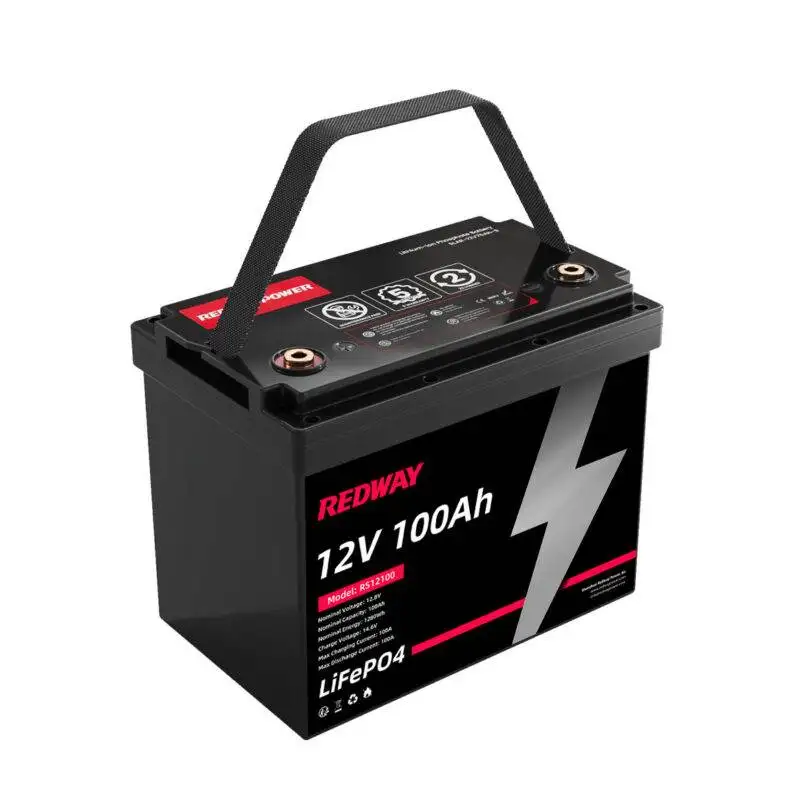
Why buyers ask. Carriers, insurers and EHS teams often require SDS on file before receiving Class 9 lithium goods. Example SKUs: 12V 100Ah (about 1.28 kWh), 48V 100Ah golf pack, 51.2V 100Ah 3U rack.
Document pack. SDS sits beside UN38.3 summaries and packing lists; see documents to request and UN38.3 documents.
Sections to brief staff on. Hazards identification, firefighting measures, accidental release, and handling/storage are the usual toolbox-talk set for receivers.
Transport section. Cross-check UN numbers with shipping papers; related: shipping buyer guide.
Storage. Align SDS storage advice with your rack or cage rules and any NFPA site guidance your insurer uses.
Disposal. Damaged packs follow restricted paths; see {tw(‘lithium-battery-damaged-in-transit-claim-handling’,’damaged-in-transit handling’)}.
Version control. Keep the SDS revision that matches the product batch and replace outdated PDFs when the supplier issues updates. Keep serial numbers, photos and settings notes with the site file for later service or claims. Prefer written confirmation when thresholds, warranties, packing modes or inverter settings are involved. Re-check the live Redway product table before the purchase order is issued. Train the people who will operate or receive the equipment, not only the buyer who signed the quote. Schedule a short review after the first weeks of use so habits and settings can be corrected early. Documents such as manuals and test summaries are available on request when not shown on the public page. Keep serial numbers, photos and settings notes with the site file for later service or claims. Prefer written confirmation when thresholds, warranties, packing modes or inverter settings are involved. Re-check the live Redway product table before the purchase order is issued. Train the people who will operate or receive the equipment, not only the buyer who signed the quote.
↳ Replying to Redway Battery Editorial Team
File the current SDS before the first receiving shift handles the SKU.
↳ Replying to Procurement perspective
Brief receivers on firefighting and spill/isolation steps from the SDS, not from memory.
↳ Replying to Selection/Engineering perspective
Treat SDS as mandatory documentation alongside UN38.3 summaries—available on request.
Use the Safety Data Sheet as a HazCom document: identification, hazards, composition, first aid, firefighting, accidental release, handling and storage, exposure controls, physical/chemical properties, stability, toxicology, ecology, disposal, transport and regulatory information. For lithium packs, pay special attention to firefighting, handling/storage, disposal and transport sections, and align them with your site emergency plan. SDS documents are available on request with Redway orders when not already in the pack. This is workplace guidance, not a substitute for your safety officer.
Verify before ordering: SDS content is product- and revision-specific; use the sheet supplied for the batch and follow your site EHS rules. Not legal advice.
Sources checked: OSHA 29 CFR 1910.178.
Editorial Q&A for battery selection and operations. Product figures cited from Redway product pages.
Related products
 12V 100Ah Lithium Battery (LiFePO4, Self-heating, OEM)
 48V 100Ah LiFePO4 Golf Cart Battery
 51.2V 100Ah Server Rack Battery
Related articles & discussions
- How to Read a Schumacher 12V Battery Charger Correctly?
- How To Read Forklift Data Plates?
- What Is A Forklift Data Plate And How To Read It?
- What should a fully charged 36V golf cart read?
- How can you tell if a golf cart charger is bad?
- Can Lithium Batteries Touch Each Other?
- How to Read and Understand Forklift Data Plates?
- How to Effectively Read a Schumacher Battery Charger Gauge?
- How to tell if a 6 volt golf cart battery is bad?
- Do I Need a BMS for Each Battery?
