




REDWAY BATTERY / KNOWLEDGE
What should you do when one cell group in a golf cart lithium battery drifts low?
Redway Battery Editorial Team
Talk / Battery Q&A
A course technician sees one cell group on a 48V lithium cart reading well below the others on the Bluetooth app after a busy weekend, while the cart still moves.
Direct answer: Treat a single low cell group as a protection and warranty issue, not a tip to keep playing rounds. Park the cart, avoid deep discharge and high current hills, record pack voltage, SOC, temperatures and the cell-group readings from the display or app, then contact the supplier with serial number and screenshots. Balancing thresholds and whether any field balancing is allowed are BMS- and model-specific. Do not open the pack, jumper groups, or parallel it with another battery to force a fix.
What drift low means. In a multi-group pack, one group voltage sagging relative to the others reduces usable capacity and can trigger BMS protect even when average pack voltage still looks fine. Packs such as the 48V 100Ah golf pack, 48V 150Ah golf pack and 72V 100Ah golf pack (about 7.68 kWh) often expose group data via display or Bluetooth; use that data rather than guessing from pack voltage alone. See Bluetooth app and cell voltage.
Immediate steps. Stop tournament or steep-hill use, charge only if the supplier says a controlled charge is safe for the fault code, and never bypass the BMS. High current on hills can widen spread; see protection trips on hills and voltage drop under acceleration.
Evidence for warranty. Save timestamps, resting voltages after cool-down, recent charge history, ambient temperature and any prior drop, flood or overheat events. Visual habits in inspection checklist help separate abuse from a cell issue.
Do not DIY open. Field repair of cell groups is not a club-workshop task. Opening covers can void warranty and create short-circuit or shock risk. Keep the pack quarantined and labelled until the supplier advises next steps.
Fleet pattern check. If several carts from the same batch show the same group drifting, escalate as a batch concern with serial list and screenshots rather than quietly swapping packs between carts without notes.
After replacement or authorised repair. Recommission with a full charge, confirm group spread within the supplier guidance, update the maintenance log, and retrain the attendant who clears alarms; see season check schedule.
Prevention. Avoid long storage at extreme SOC, keep charge plugs clean and dry, and review app alarms weekly in season so imbalance is caught before a stranded cart on the back nine.
↳ Replying to Redway Battery Editorial Team
Write a stop-use and screenshot rule into the course SOP the first time a low cell group appears.
↳ Replying to Procurement perspective
Ask Redway for the imbalance threshold and return process for your BMS version before assuming a pack is scrap.
↳ Replying to Selection/Engineering perspective
Track serials with cell-spread notes so repeat faults are visible to the supplier.
Treat a single low cell group as a protection and warranty issue, not a tip to keep playing rounds. Park the cart, avoid deep discharge and high current hills, record pack voltage, SOC, temperatures and the cell-group readings from the display or app, then contact the supplier with serial number and screenshots. Balancing thresholds and whether any field balancing is allowed are BMS- and model-specific. Do not open the pack, jumper groups, or parallel it with another battery to force a fix.
Verify before ordering: Imbalance thresholds, balancing behaviour and warranty handling are BMS- and contract-specific; confirm with Redway for the installed model.
Editorial Q&A for battery selection and operations. Product figures cited from Redway product pages.
Related products
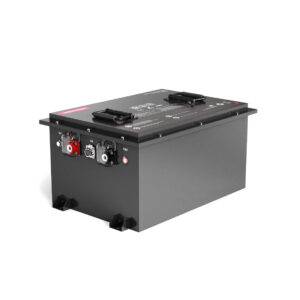 48V 100Ah LiFePO4 Golf Cart Battery
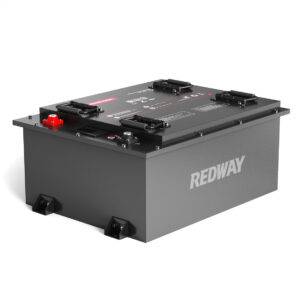 48V 150Ah LiFePO4 Golf Cart Battery (S48150P)
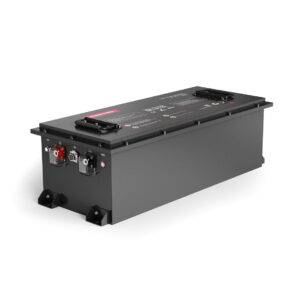 72V 100Ah LiFePO4 Golf Cart Battery (S72105P)
Related articles & discussions
- Who Are the Leading LiFePO4 Cell Manufacturers?
- How Long Do Golf Cart Lithium Batteries Last On One Charge?
- How Long Do Golf Cart Batteries Last on One Charge?
- What Are the Disadvantages of LTO Cells?
- What Are the Different Types of LiFePO4 Cells? A Comprehensive Guide
- How many lithium cells in a 24v battery?
- How to Safely Replace One Battery in a Golf Cart?
- Does BMS Have Low Voltage Cutoff?
- What Battery Fits Yamaha Adventurer One Golf Cart?
- Which 36V BMS Works Best for Golf Carts?
