




REDWAY BATTERY / KNOWLEDGE
Do you need a new controller when converting a golf cart from 36V to 48V lithium?
Redway Battery Editorial Team
Talk / Battery Q&A
A technician is asked to swap a 36V lead-acid or lithium pack for a 48V LiFePO4 pack to gain speed and range on hilly holes.
Direct answer: Yes—in nearly all cases you need a controller (and charger) rated for the new 48V class, plus confirmation that the motor and protection devices support the higher voltage. A 48V pack is not a drop-in on 36V electronics.
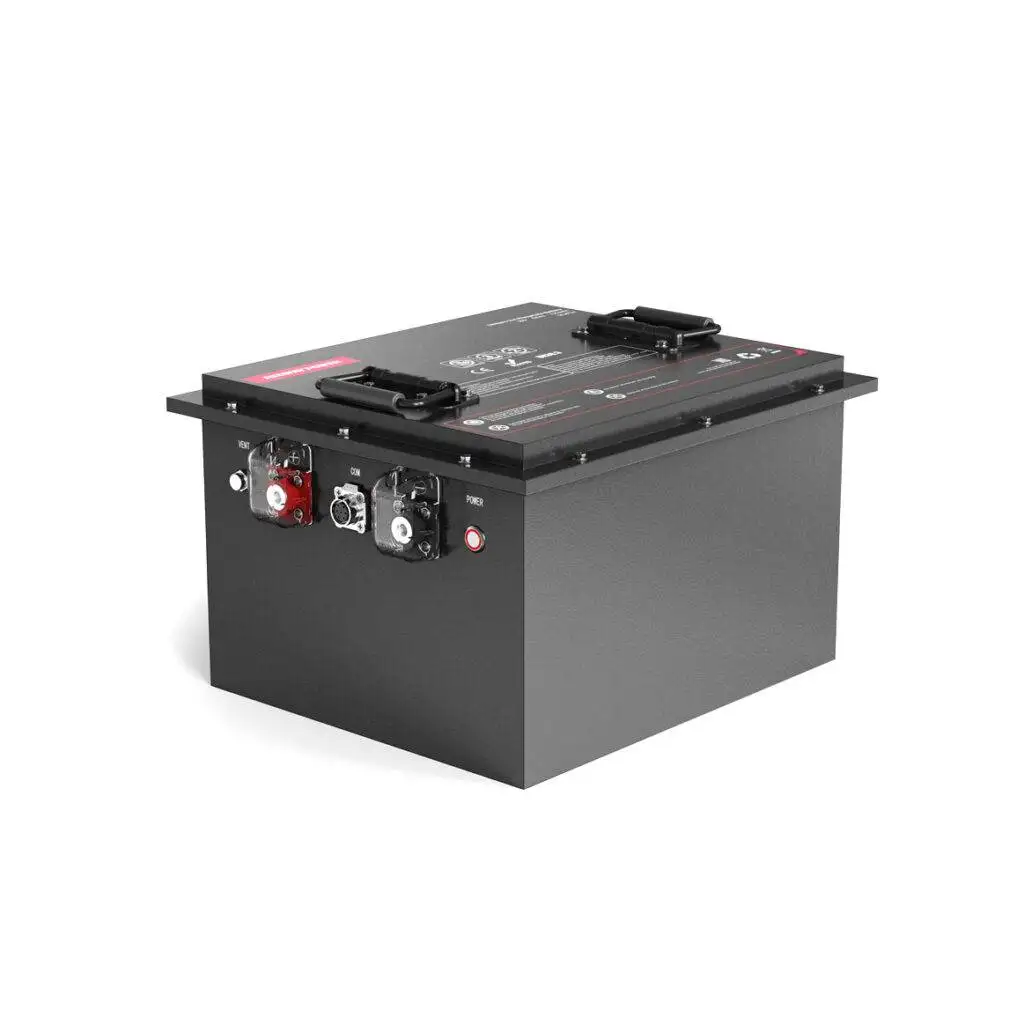
Moving a golf cart from a 36V lithium pack such as Redway’s 36V 100Ah LiFePO4 to a 48V 100Ah pack is a system change, not a drop-in voltage bump. Controllers, motors, solenoids, chargers, and often dash meters are voltage-class specific. Installing a 51.2V-nominal pack on hardware designed for a ~36–38V class system can damage electronics or create unsafe fault modes.
Treat conversion as a planned project: confirm the motor’s voltage rating, select a controller rated for the new pack voltage and for the continuous/peak current you expect, and replace the charger with a LiFePO4 charger matched to the 48V (51.2V nominal) chemistry. Cable gauge, main fuse or breaker, and connector temperature rise should be re-validated at the higher power level. The Redway 36V 100Ah page highlights wide operating temperature messaging (−20°C to 65°C) and long cycle life (over 6,000 cycles at 80% DOD / over 15,000 at 60% DOD on that page)—those longevity benefits only apply if the electrical system around the pack is correctly rated.
When is conversion worthwhile? Clubs that need higher speed or hill performance on longer routes sometimes standardize on 48V platforms. When the existing 36V drivetrain is healthy and routes are modest, staying on a correctly sized 36V lithium pack usually costs less and avoids controller/motor work. Hybrid approaches—keeping 36V but increasing Ah—solve range without a full electrical redesign.
If you proceed, stage the work: (1) verify nameplate ratings, (2) install controller/charger/protection first or as a kit, (3) only then install the 48V battery, (4) confirm throttle mapping and regenerative settings if present. Document BMS communication (Bluetooth/CAN where offered on the 48V pack) so technicians can read faults after commissioning.
Direct guidance: do not parallel or “adapt” a 48V pack onto a 36V controller. Either keep voltage class matched, or budget a full conversion kit plus the battery.
Also plan labeling and training. After a conversion, barn staff should see clear 48V markings on the pack, charger, and cart so a 36V charger is never connected “because it still fits the plug.” If connectors are similar across voltage classes, use keyed housings or color sleeves. Finally, update preventive-maintenance sheets: torque specs, insulation checks, and BMS app login steps belong beside tire-pressure tasks, or the conversion’s reliability gains will erode through informal workarounds.
If the cart OEM publishes a lithium conversion path, prefer that voltage and controller pairing even when a generic 48V pack is cheaper on paper. Interoperability with OEM dashboards and interlocks reduces troubleshooting time across a mixed fleet.
↳ Replying to Redway Battery Editorial Team
Price the conversion as battery + controller + charger + labor, not battery alone. If the quote only lists a 48V pack against a 36V cart, send it back for a system BOM. Staying on 36V with higher Ah may beat a partial conversion that later needs rework.
↳ Replying to Procurement perspective
Match pack nominal voltage (≈38.4V class for many 36V LiFePO4 packs vs 51.2V for 48V packs) to controller input range. Re-check continuous current and peak limits after the voltage change because power = V × I. Validate regenerative braking settings so BMS charge limits are respected.
↳ Replying to Selection/Engineering perspective
After conversion, torque terminals, verify ground paths, and road-test under load while watching for connector heat. Train staff not to reuse the old 36V charger. Keep a spare compatible charger in the barn to avoid emergency lead-acid charger misuse.
Yes—in nearly all cases you need a controller (and charger) rated for the new 48V class, plus confirmation that the motor and protection devices support the higher voltage. A 48V pack is not a drop-in on 36V electronics.
Editorial Q&A for battery selection and operations. Product figures cited from Redway product pages.
Related products
 36V 100Ah LiFePO4 Golf Cart Battery
 48V 100Ah LiFePO4 Golf Cart Battery
 Redway 48V 100Ah Golf Cart LiFePO4 Battery
Related articles & discussions
- How Can 36V, 48V, and 72V Lithium Golf Cart Batteries Redefine the Future of Electric Mobility?
- Understanding 48V 200Ah LiFePO4 Golf Cart Batteries: Performance, Design, and Real-World Value
- What makes a lithium golf cart battery truly compatible with Club Car platforms?
- Comprehensive Guide to Redway Battery 48V 50Ah Server Rack Batteries
- What Are the Key Features of Redway Battery’s Latest Golf Cart Lithium Batteries?
- Golf Cart Battery Market – Global Industry Size, Share, Trends, and Forecast
- Why Upgrade Your Cart Fleet to a 72V Lithium Battery?
- How can a 48V 160Ah lithium battery transform your electric power system?
- How Can Maintenance-Free Lithium Batteries Replace Lead-Acid Units in Golf Carts?
- How Can a Golf Cart Lithium Battery with a Wide Operating Temperature Range Redefine Outdoor Mobility Efficiency?
