




REDWAY BATTERY / KNOWLEDGE
How do you size a home battery for outage backup on a critical-loads panel?

Redway Battery Editorial Team
Talk / Battery Q&A
A homeowner wants fridge, lights, router, well pump and a few outlets to ride through multi-hour grid outages, and is choosing between an all-in-one and rack modules.
Direct answer: List every circuit on the critical-loads panel, estimate continuous watts and the largest motor or inverter surge, choose how many hours you must cover, then size usable battery kWh and inverter continuous and surge ratings to that list. Price the result in backup hours delivered, not nameplate kWh alone. Leave margin for ageing, cold weather and loads you forgot, and have a qualified installer confirm earthing, transfer equipment and local electrical code.
Build the load list. Walk the critical panel breaker by breaker: fridge, lighting, communications, medical devices, sump or well pump, and any chosen outlets. Note running watts and starting surge for motors. Anything not on the list should stay on the grid-only side of the transfer arrangement.
Hours and kWh. Backup energy roughly equals average critical watts times hours, divided by 1000, then divided by a usable depth of discharge you are willing to use (often well below 100% for reserve). Example: 800 W average for 8 hours is about 6.4 kWh used; with reserve you may want 8 to 10 kWh of battery. Daily cycling sizing is a different problem; see sizing a rack bank for daily home load.
Inverter power. The inverter must cover continuous critical load and the worst surge. A large well pump can dominate surge even if average watts look modest. Match battery discharge capability to the inverter’s DC demand.
Product shapes. An all-in-one such as PowerAll lists modular capacities from about 5 kWh up to roughly 32 kWh class stacks, useful when you want inverter and battery as one package. Rack modules such as the 51.2V 200Ah 5U (about 10.2 kWh) and 51.2V 100Ah 3U suit a separate hybrid inverter and cabinet. Confirm exact usable energy and charge/discharge limits on the datasheet for the configuration you buy.
Physical and electrical fit. Check rack height units, cable gauge, breaker size and ventilation. Form-factor choices matter in tight plant rooms just as tray size matters on carts; the principle in short vs long size is the same: measure before you order.
Code and safety. Standby and energy-storage rules vary by jurisdiction (for example NEC articles that cover storage and optional standby in the US). Use a licensed electrician for transfer switches, grounding and permits.
Test annually. Simulate an outage once a year, time how long critical loads run, and note SOC at restore. Adjust the load list if the test falls short.
Procurement view. Compare quotes on hours of your actual critical list at a stated depth of discharge, plus inverter surge rating, not on sticker kWh alone.
↳ Replying to Redway Battery Editorial Team
Price proposals in backup hours for your critical list, including inverter surge, not only battery kWh.
↳ Replying to Procurement perspective
Build a written critical-loads list with running and surge watts before choosing PowerAll capacity or rack module count.
↳ Replying to Selection/Engineering perspective
Run an annual outage test and record hours and ending SOC so sizing assumptions stay honest.
List every circuit on the critical-loads panel, estimate continuous watts and the largest motor or inverter surge, choose how many hours you must cover, then size usable battery kWh and inverter continuous and surge ratings to that list. Price the result in backup hours delivered, not nameplate kWh alone. Leave margin for ageing, cold weather and loads you forgot, and have a qualified installer confirm earthing, transfer equipment and local electrical code.
Verify before ordering: Electrical code requirements and exact usable kWh depend on jurisdiction and the inverter/battery configuration; confirm with the installer and Redway datasheets.
Editorial Q&A for battery selection and operations. Product figures cited from Redway product pages.
Related products
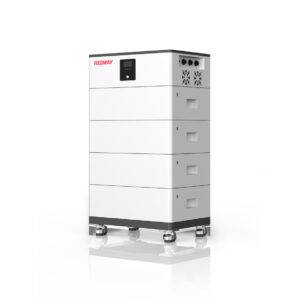 51.2V All-in-One Home-ESS System PowerAll (5kWh/10kWh/16kWh/21kWh/26kWh/32kWh)
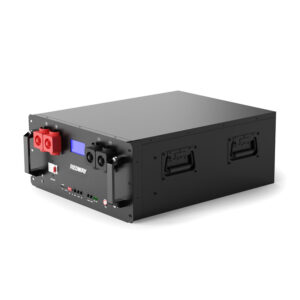 51.2V 200Ah 10kWh Server Rack Battery (5U)
 51.2V 100Ah Server Rack Battery
Related articles & discussions
- How to Sync Lithium Home ESS with Solar Panels
- Looking to Buy Solar Panels for Your Home? Here’s What You Need to Know
- What You Need to Know About Sealed Gel Batteries for Energy Storage and Solar Applications
- Understanding the Difference Between UPS Battery Systems and Inverters for Power Backup
- What Are the Best Server Rack Battery Backup Solutions?
- What You Need to Know About Lithium Batteries for Backup Power
- Why Are Labor Costs Critical in Determining LiFePO4 Battery Prices?
- What Is the Best Grid-Tie Inverter with Battery Backup for Solar Power?
- LiFePO4 vs Lithium Ion: Best for Home Storage?
- How the PW51100-F Power Storage Wall is Redefining Home Energy Solutions
