




REDWAY BATTERY / KNOWLEDGE
How do you use a home battery for time-of-use savings and peak shaving?

Redway Battery Editorial Team
Talk / Battery Q&A
A homeowner on a time-of-use tariff wants the new hybrid inverter and lithium bank to charge off-peak and cover evening peaks.
Direct answer: Configure the inverter’s time-of-use or peak-shaving modes so the battery charges in cheap windows, discharges in expensive windows, and keeps a reserve for outages if you also want backup. Verify the tariff periods match the schedule, set maximum charge/discharge power within battery and inverter limits, and review bills after two billing cycles. Exact menus are inverter-specific; the battery must be compatible and correctly sized.
Hardware. All-in-one PowerAll all-in-one (about 5.37–32.25 kWh class) or rack banks such as 51.2V 200Ah 5U rack (about 10.24 kWh) and 51.2V 150Ah 4U rack (about 7.68 kWh) supply the kWh; the inverter runs the schedule.
Compatibility. Confirm closed-loop control if required; see inverter compatibility and closed vs open loop.
Reserve. Keep backup SOC if outages matter; see SOC reserve and critical-loads sizing.
Sizing for daily cycling. daily load sizing and PowerAll capacity choice frame whether the bank can cover peak hours.
Tariff fit. Wrong clock or outdated peak windows erase savings. Revisit schedules when the utility changes periods.
Review. After two bills, compare peak import kWh to the baseline month. Adjust discharge power if the bank empties too early.
Limits. Do not set discharge above continuous battery or inverter ratings just to chase a sharper peak cut. Keep serial numbers, photos and settings notes with the site file for later service or claims. Prefer written confirmation when thresholds, warranties, packing modes or inverter settings are involved. Re-check the live Redway product table before the purchase order is issued. Train the people who will operate or receive the equipment, not only the buyer who signed the quote. Schedule a short review after the first weeks of use so habits and settings can be corrected early. Documents such as manuals and test summaries are available on request when not shown on the public page. Keep serial numbers, photos and settings notes with the site file for later service or claims. Prefer written confirmation when thresholds, warranties, packing modes or inverter settings are involved. Re-check the live Redway product table before the purchase order is issued. Train the people who will operate or receive the equipment, not only the buyer who signed the quote.
↳ Replying to Redway Battery Editorial Team
Align inverter TOU schedules with the utility’s current peak windows and a written reserve.
↳ Replying to Procurement perspective
Review two billing cycles before declaring the setup a success.
↳ Replying to Selection/Engineering perspective
Keep discharge power inside battery and inverter continuous ratings.
Configure the inverter’s time-of-use or peak-shaving modes so the battery charges in cheap windows, discharges in expensive windows, and keeps a reserve for outages if you also want backup. Verify the tariff periods match the schedule, set maximum charge/discharge power within battery and inverter limits, and review bills after two billing cycles. Exact menus are inverter-specific; the battery must be compatible and correctly sized.
Verify before ordering: TOU menus and tariff rules are inverter- and utility-specific; confirm settings with the installer and battery limits on Redway pages.
Editorial Q&A for battery selection and operations. Product figures cited from Redway product pages.
Related products
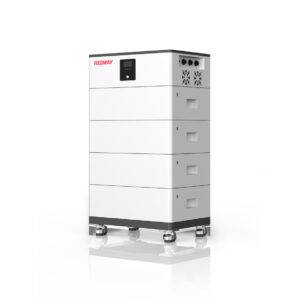 51.2V All-in-One Home-ESS System PowerAll (5kWh/10kWh/16kWh/21kWh/26kWh/32kWh)
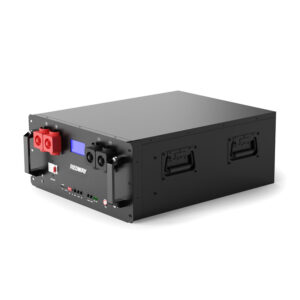 51.2V 200Ah 10kWh Server Rack Battery (5U)
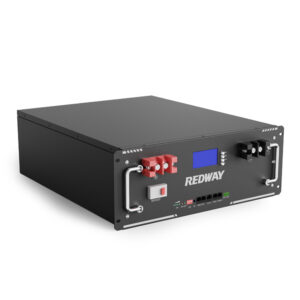 51.2V 150Ah 7kWh Server Rack Battery (4U)
Related articles & discussions
- Enhanced Solar Power Storage with High-Voltage Battery Systems for Homes
- How to Safely Test a Golf Cart Charger at Home?
- Can Forklift Batteries Power Your Home Solar System Effectively?
- What Is A Forklift Battery Watering Schedule Template?
- What You Need to Know About the UK Green Homes Grant 2023
- What Are the Trends and Advancements in Home Energy Storage Systems?
- What Are the Benefits of Installing Power Storage Walls for Your Home or Business?
- How to Design an Effective Home Energy Storage System
- How 2026 Could Transform Lithium-Ion Battery Recycling for Homes and Businesses
- Looking to Buy Solar Panels for Your Home? Here’s What You Need to Know
